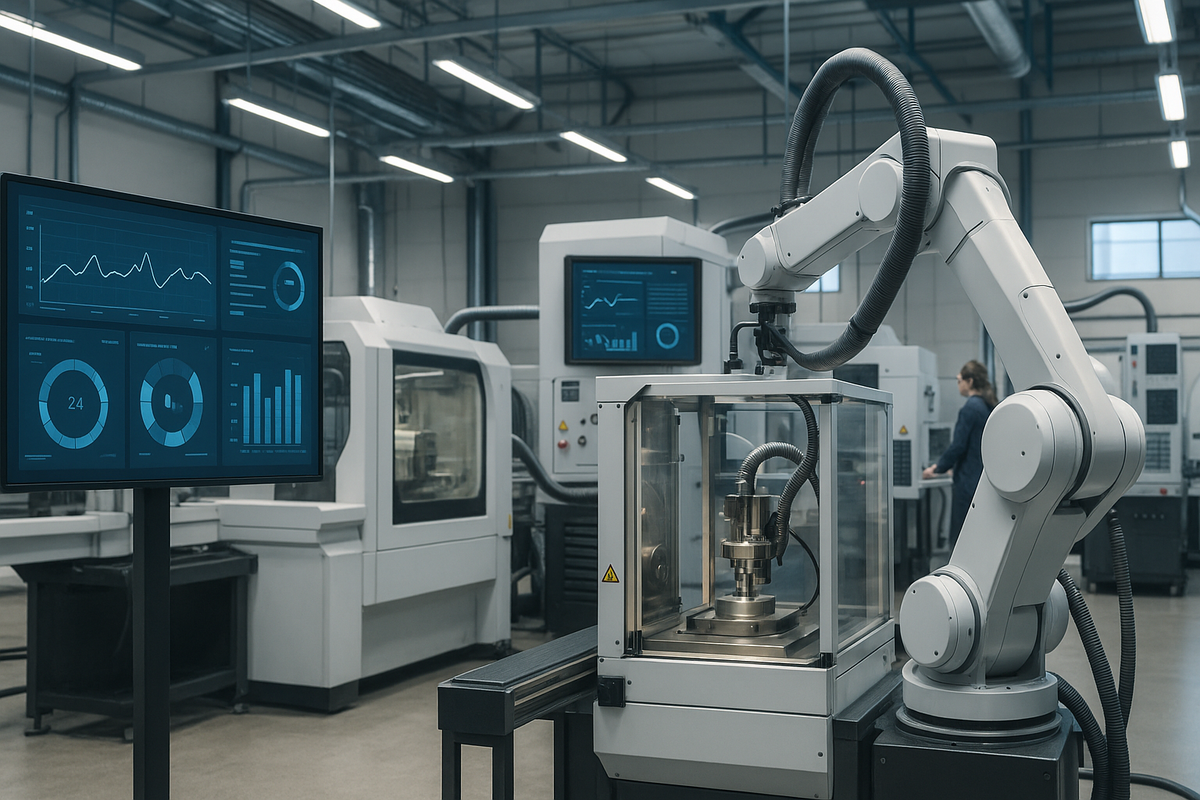
Modernizing data historians is crucial for manufacturers aiming to enhance operational efficiency and competitiveness. Focusing on operational outcomes rather than mere technology replacement can unlock significant value for the industry.
What Happened
Manufacturers are increasingly finding that outdated data historians—systems that collect and store industrial data—are hampering their ability to optimize operations. These legacy systems often struggle to handle the volume and complexity of data generated by modern manufacturing processes. As a result, many companies are facing challenges in leveraging their data for actionable insights, which can impact decision-making and operational efficiency. The primary hurdle lies in the outdated architecture of these systems, which were not designed for the demands of today's data-rich environments. Upgrading or replacing these systems with modern solutions that prioritize operational outcomes can lead to significant improvements in productivity and cost savings.
What This Means for Your Business
For manufacturers, modernizing data historians is not just a technological upgrade; it's a strategic move to enhance competitiveness. Companies that successfully transition to modern data management systems can expect to see improved data accessibility, better integration with other IT systems, and enhanced analytics capabilities. This shift can lead to more informed decision-making, reduced downtime, and optimized production processes. Furthermore, manufacturers that invest in modern data solutions can better position themselves to comply with emerging industry standards and regulations, such as CMMC and NIST, which emphasize data security and integrity.
What US Operators Should Watch
Manufacturers should closely monitor developments in data management technologies and assess how these can be integrated into their operations to support strategic goals. Keeping an eye on federal funding opportunities for technology upgrades and compliance initiatives is also crucial. Additionally, companies should prepare for potential regulatory changes that could impact data management practices, ensuring they remain compliant and competitive in a rapidly evolving marketplace.
Source: https://www.manufacturingdive.com/spons/3-reasons-why-their-data-historians-hamstring-manufacturers/826101/. Read the original story ->
Is your firm ready for what’s next?
VisioneerIT helps AECM and government contractors modernize operations, achieve compliance, and implement AI.
Explore VisioneerIT Solutions →