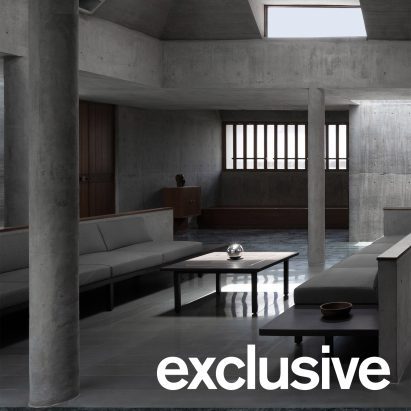
Roomoor's newly completed Monastic Field house in Baleshwar, India, is a testament to the enduring influence of ancient architectural techniques in modern design. Drawing inspiration from the rock-cut dwellings of the Deccan Plateau, this concrete home is set within a Jain temple precinct, designed for the family who donated the land for the temple in 2005. This project offers significant insights into how contemporary architecture can integrate with historical contexts, a relevant consideration for AECM professionals aiming to blend modern innovation with traditional heritage.
What Happened
Monastic Field, completed by the architecture studio Roomoor, is a concrete home situated in Baleshwar, India, within the grounds of a Jain temple. The design pays homage to the rock-cut monastic homes of the Deccan Plateau, reflecting a seamless integration of historical architectural methods with modern building practices. The home's completion marks a significant milestone for the family who originally donated the land for the temple in 2005, reinforcing their cultural and spiritual ties to the site. This project not only serves as a residential space but also as a symbol of architectural evolution, demonstrating how ancient design principles can be adapted to suit contemporary needs.
What This Means for Your Business
For AECM firms, the Monastic Field house exemplifies the potential of integrating historical architectural concepts into modern construction projects. This approach can offer competitive advantages by appealing to clients seeking unique, culturally resonant designs. Incorporating traditional techniques can differentiate offerings in a crowded marketplace, potentially increasing ROI by attracting niche segments interested in sustainable and culturally significant architecture. Moreover, projects like Monastic Field highlight the importance of respecting and preserving cultural heritage in new developments, which can enhance community relations and compliance with local regulations.
What US Operators Should Watch
As the demand for culturally integrated architecture grows, US operators should monitor the increasing trend of blending traditional and modern design techniques. This involves staying informed about global architectural innovations that emphasize historical resonance, which could influence design trends domestically. Additionally, as federal and state governments place more emphasis on sustainable and culturally sensitive construction practices, firms should prepare for potential regulatory changes that may require adaptations in design and construction processes. Monitoring these developments will be crucial for aligning business strategies with evolving market demands.
Source: https://www.dezeen.com/2026/10/11/monastic-field-roomoor-india/. Read the original story ->
Is your firm ready for what’s next?
VisioneerIT helps AECM and government contractors modernize operations, achieve compliance, and implement AI.
Explore VisioneerIT Solutions →