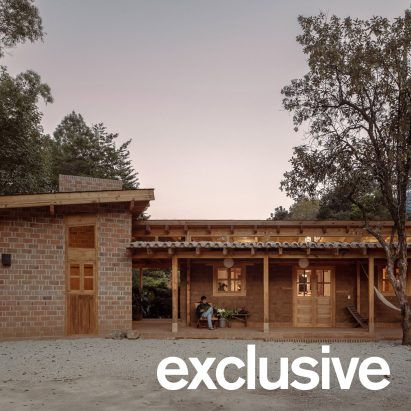
Architecture studio Colar's recent project in Chiapas, Mexico, serves as a compelling example of sustainable building practices and innovative design. By reviving a dilapidated adobe structure to create Casa Estelí, Colar showcases the possibilities of blending traditional materials with modern architecture to meet contemporary living standards.
What Happened
Colar, an architecture studio known for its commitment to sustainable design, has completed Casa Estelí, a single-storey home in Chiapas, Mexico. The project involved updating and extending an existing adobe structure—a traditional building material known for its thermal properties and low environmental impact. The 162-square-metre dwelling now features two additional brick volumes, unified under a large, self-supporting timber roof. This innovative combination preserves the historical essence of the original adobe while integrating new elements that enhance the home's functionality and aesthetic appeal. The design focuses on sustainability, utilizing local materials and construction methods that reduce the carbon footprint.
What This Means for Your Business
For AECM professionals, Colar's approach to Casa Estelí underscores the growing trend and market demand for sustainable architecture. The project exemplifies how traditional materials like adobe can be incorporated into modern designs, offering a blueprint for reducing environmental impact while delivering innovative, cost-effective solutions. This can influence procurement strategies, encouraging the use of local materials and sustainable building practices that align with increasing regulatory and consumer demands for green construction. Additionally, the use of self-supporting structures, like the timber roof at Casa Estelí, highlights potential cost savings in construction and materials, offering a competitive edge in the market.
What US Operators Should Watch
As sustainability continues to shape the future of architecture and construction, US operators should monitor developments in eco-friendly building materials and methods that align with federal regulations and incentives. The integration of traditional materials with modern design, as seen in Casa Estelí, can inform strategies for meeting compliance requirements such as those outlined by the CMMC and NIST. Operators should also be alert to funding opportunities and federal incentives aimed at promoting sustainable construction practices, which can provide significant ROI and enhance competitive positioning.
Source: https://www.dezeen.com/2026/08/26/colar-adobe-casa-esteli-mexico/. Read the original story ->
Is your firm ready for what’s next?
VisioneerIT helps AECM and government contractors modernize operations, achieve compliance, and implement AI.
Explore VisioneerIT Solutions →