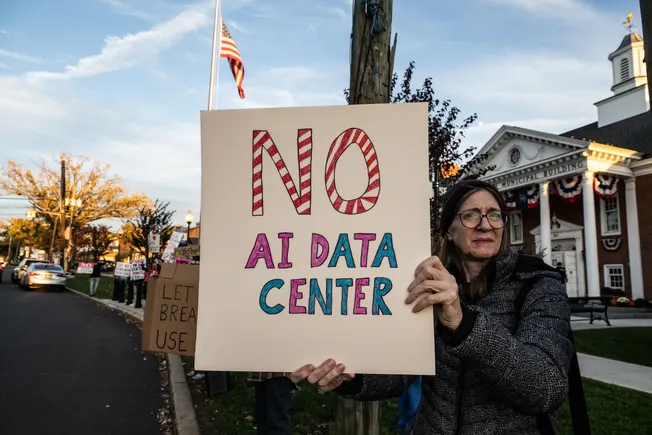
Cities across the United States are gaining new tools to manage the rapid expansion of data centers, thanks to a model law unveiled by Climate Mayors. This framework comes as voters in numerous localities have recently rejected data center projects, underscoring the need for more localized control over these developments.
What Happened
Climate Mayors, in collaboration with Bloomberg Associates and other partners, have developed a model local law to assist city leaders in navigating the complexities of data center siting and permitting. This initiative was announced as part of a broader response to the increasing resistance against data centers, particularly highlighted by the recent rejection of such projects in multiple localities across ten states. The proposed law offers guidelines aimed at ensuring transparency, mandating community benefit agreements, and encouraging responsible development practices. It specifically addresses issues like nondisclosure agreements, environmental impacts, and the strategic siting of data centers on underutilized land or industrial areas.
The initiative is rooted in the realization that data centers are being developed at a pace and scale that many local regulatory frameworks are ill-equipped to handle. According to Kate Wright, Executive Director of Climate Mayors, there's an evident information gap between stakeholders such as local governments, data center developers, and community members. The model law seeks to bridge this gap by providing a structured approach to data center development, thus restoring public trust and ensuring community engagement.
What This Means for Your Business
For businesses in the architecture, engineering, construction, and manufacturing sectors, this model law signifies a potential shift in how data center projects are approved and managed. Companies involved in the development and construction of data centers may need to adapt to stricter permitting and siting requirements. This could involve engaging more with local communities to secure the necessary approvals and potentially renegotiating terms to include community benefit agreements.
Additionally, with over 500 local governments imposing moratoriums on data center developments, businesses must prepare for potentially longer timelines and more intricate compliance requirements. Understanding the new operational standards and environmental considerations will be crucial for maintaining competitiveness and securing future contracts.
What US Operators Should Watch
US operators should closely monitor the adoption of this model law by various municipalities, as it could become a template for future legislation. Key aspects to watch include changes in transparency requirements, especially regarding nondisclosure agreements, and new siting criteria that prioritize development in specific areas. Businesses should also be aware of potential shifts in community engagement processes and the emphasis on community benefits, which could influence project planning and execution.
In terms of regulatory timelines, operators should stay informed about local government decisions regarding moratoriums and the adoption of this model law. As cities begin to implement these guidelines, businesses may face new deadlines for compliance and permitting processes.
Source: Construction Dive
Is your firm ready for what’s next?
VisioneerIT helps AECM and government contractors modernize operations, achieve compliance, and implement AI.
Explore VisioneerIT Solutions →