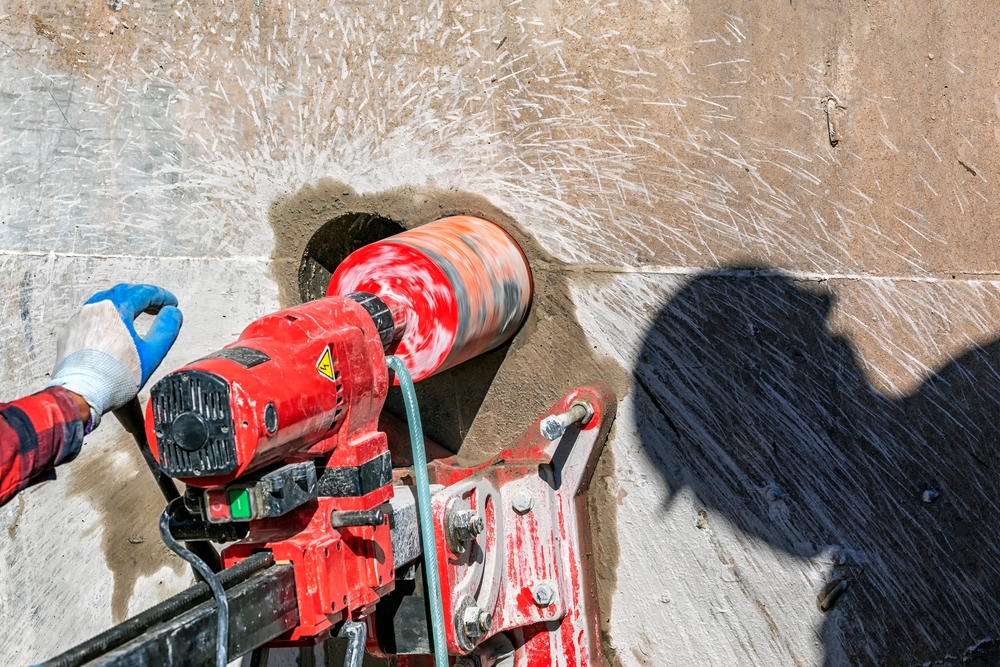
Rebar, post-tension cables, electrical conduit, plumbing, and communication lines frequently lurk beneath the surface of concrete structures. Striking any of these elements during drilling can lead to injuries, structural damage, and costly project delays. As the construction industry faces increasing pressure to improve safety and efficiency, understanding and mitigating these risks is more crucial than ever.
What Happened
Concrete structures often contain a complex network of embedded components such as rebar, post-tension cables, electrical conduits, plumbing, and communication lines. When contractors drill into concrete without proper precautions, they risk striking these elements, which can cause significant safety hazards and structural concerns. The article from Construction Executive highlights the importance of identifying these hidden risks before beginning any core drilling operations. By utilizing advanced detection technologies and implementing comprehensive risk assessment practices, contractors can significantly reduce the likelihood of accidents and project setbacks.
What This Means for Your Business
For businesses in the architecture, engineering, construction, and manufacturing (AECM) sectors, the implications are clear. Implementing advanced scanning technologies, such as ground-penetrating radar (GPR), can help identify the location of embedded components within concrete. This not only enhances safety but also ensures compliance with industry standards and regulations. By investing in these technologies, contractors can improve their competitive positioning, reduce liability, and potentially lower insurance costs. Moreover, as federal and state regulations become more stringent, staying ahead of compliance requirements can safeguard against legal and financial repercussions.
What US Operators Should Watch
As the industry evolves, contractors should stay informed about the latest advancements in detection technologies and best practices in risk management. Monitoring developments in federal safety regulations and compliance standards, such as those from the Occupational Safety and Health Administration (OSHA), is critical. Additionally, contractors should be aware of procurement windows for advanced equipment that can enhance detection capabilities. Keeping abreast of these factors will enable decision-makers to make informed choices that align with both safety and business objectives.
Source: https://constructionexec.com/article/before-the-core-drill-starts-how-contractors-can-reduce-the-risks-hidden-inside-concrete/?utm_source=rss&utm_medium=rss&utm_campaign=before-the-core-drill-starts-how-contractors-can-reduce-the-risks-hidden-inside-concrete. Read the original story ->
Is your firm ready for what’s next?
VisioneerIT helps AECM and government contractors modernize operations, achieve compliance, and implement AI.
Explore VisioneerIT Solutions →