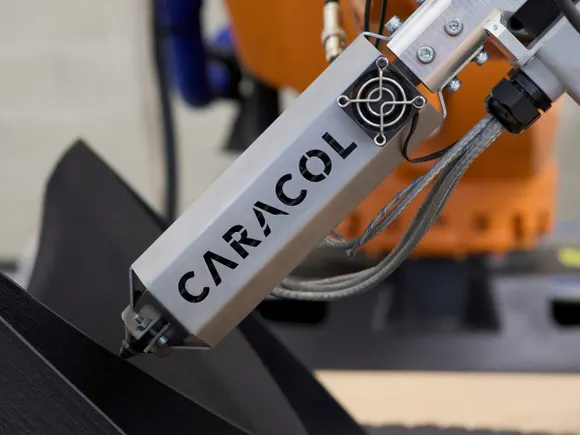
Microfactories, leveraging robotics and additive manufacturing, are revolutionizing the manufacturing sector by offering solutions to long lead times and supply chain disruptions. This shift is particularly significant as businesses grapple with the aftermath of the COVID-19 pandemic and geopolitical tensions that have upended traditional manufacturing models.
What Happened
Microfactories, small modular facilities that produce goods on demand or in small batches, are rapidly gaining traction. These facilities utilize advanced technologies like robotics and additive manufacturing to create components faster and at lower costs. Francesco De Stefano, CEO of Caracol, a company specializing in 3D printing, highlights how the integration of these technologies can drastically reduce wait times for critical parts, such as those needed by military applications. At the International Manufacturing Technology Show in Chicago, a demonstration by the Association for Manufacturing Technology and partners showcased the capability to manufacture quadcopter airframes every four minutes using a fully automated manufacturing cell. This demonstration underscores the potential for microfactories to offer agile, efficient production solutions.
The global market for modular microfactories is projected to grow significantly, doubling to $12.8 billion by 2030, with North America leading the charge. This growth is driven by reshoring policies aimed at reducing reliance on overseas supply chains and consolidating regional production. The low barrier to entry, as highlighted by Brett Conner of the Society of Manufacturing Engineers, allows companies to scale production based on demand without the need for massive initial investments in traditional manufacturing infrastructure.
What This Means for Your Business
For AECM professionals and government contractors, the rise of microfactories presents several strategic opportunities. These facilities offer a flexible manufacturing model that can be particularly beneficial for sectors requiring high-mix, low-volume production, such as aerospace and defense. By investing in microfactories, businesses can enhance their supply chain resilience, reduce lead times, and potentially lower costs.
Furthermore, the integration of robotics and additive manufacturing aligns with current compliance and technological trends, such as the adoption of CMMC and NIST standards, as well as the shift towards zero trust architectures. These technologies can streamline production processes, improve quality control, and ensure compliance with stringent federal regulations.
What US Operators Should Watch
US operators should monitor the evolving landscape of microfactory technology and its adoption across various sectors. Key dates to watch include upcoming CMMC audit timelines and federal procurement windows that may favor contractors with agile, tech-enabled manufacturing capabilities. Additionally, staying informed about reshoring initiatives and related government policies can help businesses position themselves competitively in the market.
Source: https://www.manufacturingdive.com/news/how-microfactories-change-the-manufacturing-playbook-additive-imts-2026/831881/
Is your firm ready for what’s next?
VisioneerIT helps AECM and government contractors modernize operations, achieve compliance, and implement AI.
Explore VisioneerIT Solutions →