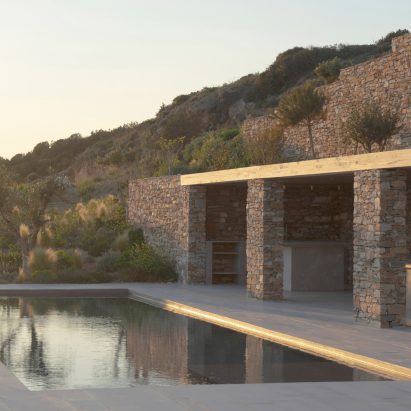
Meister Varma Architects has completed a distinctive architectural project, Shilaya, in Tamil Nadu, India. This home, built using stone salvaged from a ruin on its site, reflects a sustainable approach that could inspire similar practices in the architecture, engineering, construction, and manufacturing (AECM) sectors.
What Happened
Located in the town of Kotagiri in the Nigiri Mountains, Shilaya is a residential project that highlights sustainable building practices by using recycled materials. The architects, Meister Varma, chose to work with stone salvaged from a previous structure that once stood on the site, thus minimizing the environmental impact and preserving historical elements. Shilaya, named after the Sanskrit word 'śilā' meaning stone, showcases a blend of traditional and modern architectural styles. The project not only underscores the importance of sustainability in construction but also respects the rich cultural and historical heritage of the area, once a colonial hill station.
What This Means for Your Business
For AECM professionals, the Shilaya project serves as a benchmark for integrating sustainability into architectural design. The use of reclaimed materials can significantly reduce project costs and environmental impact, offering a competitive edge in a market increasingly driven by green building standards. As government policies worldwide are progressively favoring sustainable practices, firms that adopt such methods may find themselves better positioned for government contracts and funding opportunities. Moreover, the project exemplifies how respecting and incorporating local heritage and materials can enhance community relations and project acceptance, which are critical for successful bids and project executions.
What US Operators Should Watch
US operators should monitor global trends in sustainable construction practices, especially those involving reclaimed materials. As the demand for eco-friendly projects rises, keeping abreast of innovative practices like those employed by Meister Varma could be crucial. Additionally, staying informed about federal incentives for sustainable building practices and potential regulatory changes can provide strategic advantages. Engaging with local communities and understanding historical contexts in project areas can also be pivotal in securing and successfully executing projects in diverse environments.
Source: https://www.dezeen.com/2026/06/30/meister-varma-architects-shilaya-cottage/. Read the original story ->
Is your firm ready for what’s next?
VisioneerIT helps AECM and government contractors modernize operations, achieve compliance, and implement AI.
Explore VisioneerIT Solutions →