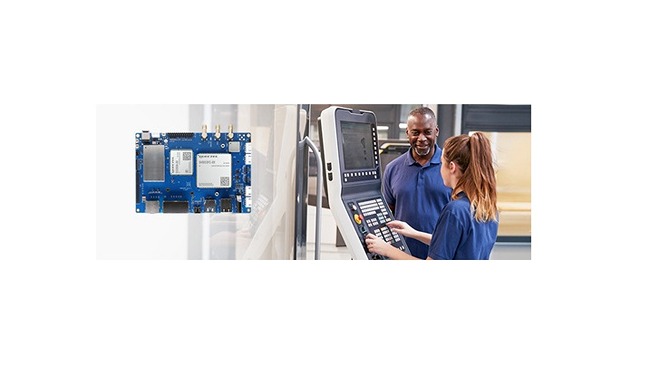
Investing in well-established, brand-name equipment, whether new or used, can significantly enhance your business's capabilities and financial performance. As the manufacturing sector faces increasing pressure to optimize costs while maintaining productivity, the consideration of used machinery becomes a strategic decision for many firms.
What Happened
The practice of purchasing used machinery has gained traction in the manufacturing industry, driven by the need to balance cost management with operational efficiency. Established brand-name equipment, even when acquired second-hand, can provide substantial value to manufacturing operations. This trend is particularly relevant for companies looking to expand their capabilities without the substantial capital expenditure associated with new machinery. The Canadian Metalworking publication highlights that investing in used equipment can be a viable option for businesses aiming to optimize their return on investment (ROI) while maintaining high standards of production quality.
What This Means for Your Business
For businesses in the architecture, engineering, construction, and manufacturing (AECM) sectors, leveraging used machinery presents several advantages. Firstly, it allows companies to access high-quality equipment at a fraction of the cost of new models, thus freeing up capital for other strategic investments. This is particularly beneficial for small to medium-sized enterprises (SMEs) that may have limited budgets but still require advanced machinery to compete effectively.
Additionally, used equipment from reputable brands often comes with a proven track record of reliability and performance, minimizing the risks associated with machinery downtime and maintenance costs. For US operators, this strategy can also support compliance with federal regulations, such as those related to sustainability and efficiency, as older machines can be retrofitted with modern technology to meet current standards.
What US Operators Should Watch
US operators should closely monitor the availability of used machinery in the market, particularly as supply chain disruptions continue to affect the availability and pricing of new equipment. Procurement windows for high-demand machines can be competitive, so staying informed about industry trends and upcoming auctions or sales events is crucial.
Moreover, as regulatory environments evolve, companies should ensure that any used equipment purchased complies with the latest standards, such as those outlined by the Cybersecurity Maturity Model Certification (CMMC) or the National Institute of Standards and Technology (NIST). This will not only safeguard against compliance issues but also enhance the company's competitive positioning in government contracting opportunities.
Source: https://www.canadianmetalworking.com/canadianmetalworking/blog/metalworking/when-to-consider-a-used-machine. Read the original story ->
Is your firm ready for what’s next?
VisioneerIT helps AECM and government contractors modernize operations, achieve compliance, and implement AI.
Explore VisioneerIT Solutions →