In May, the U.S. manufacturing sector added 7,000 jobs, marking a notable shift in employment trends within the industry. This development is critical for the architecture, engineering, construction, and manufacturing (AECM) sectors as it influences labor markets, production capacities, and economic forecasts.
What Happened
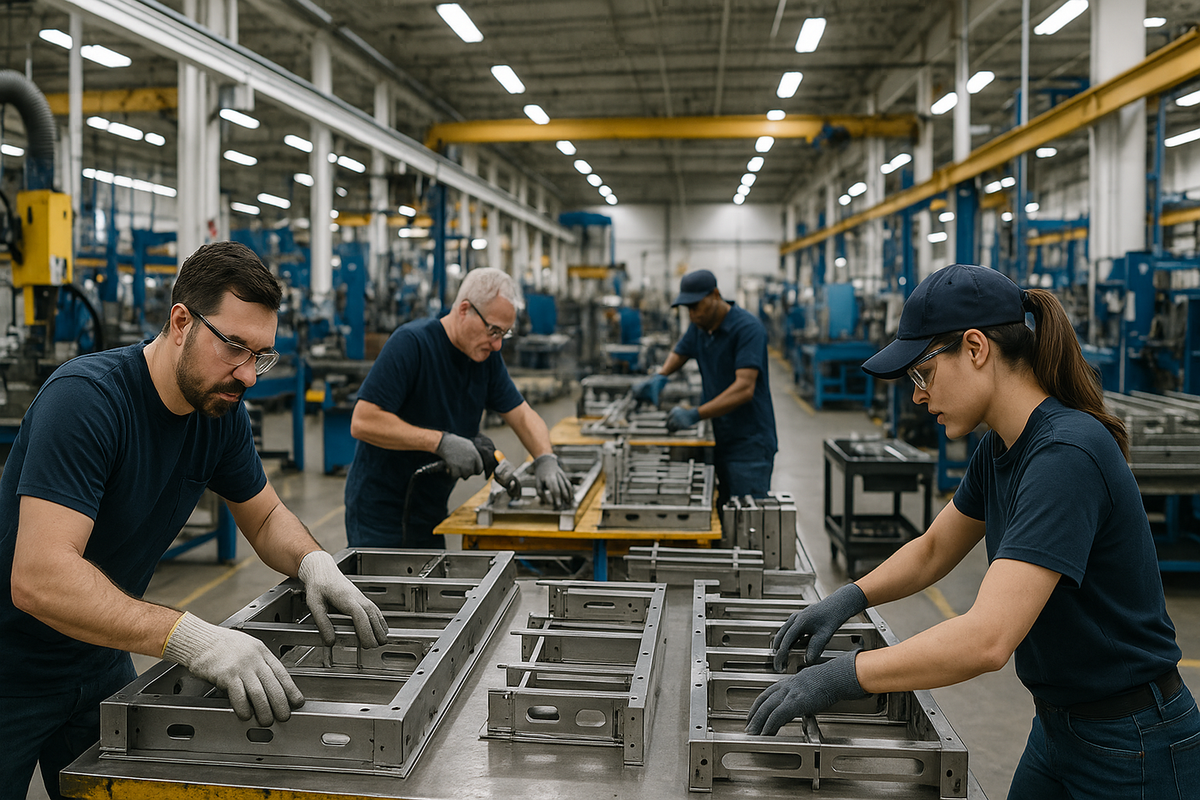
The latest employment figures from the Bureau of Labor Statistics indicate that the fabricated metal sector led the charge, adding 6,800 jobs in May. This surge contrasts sharply with the plastics and rubber products segment, which saw the most significant job losses, shedding 6,100 positions. These changes reflect broader trends within manufacturing, as sectors adjust to shifting demands, technological advancements, and supply chain disruptions. The overall increase of 7,000 jobs in manufacturing suggests resilience and adaptation, despite challenges faced by specific industries.
What This Means for Your Business
For AECM professionals, the job gains in the fabricated metal sector could signal increased opportunities for contracts and partnerships. With more skilled labor entering the field, companies might expect enhanced production capabilities and potentially lower costs due to increased competition. However, the losses in the plastics and rubber products sector highlight the need for businesses to remain agile and adaptable, focusing on sectors with growth potential. Understanding these employment trends can aid in strategic planning, investment decisions, and supply chain management, ensuring alignment with market shifts.
What US Operators Should Watch
Manufacturing professionals should closely monitor employment trends across different sectors to anticipate changes in labor availability and costs. Keeping an eye on federal employment reports and industry-specific forecasts can provide insights into future opportunities or challenges. Additionally, decision-makers should consider the implications of these employment shifts on compliance requirements, such as the Cybersecurity Maturity Model Certification (CMMC) and other federal standards that may affect manufacturing operations and contracts.
Is your firm ready for what’s next?
VisioneerIT helps AECM and government contractors modernize operations, achieve compliance, and implement AI.
Explore VisioneerIT Solutions →