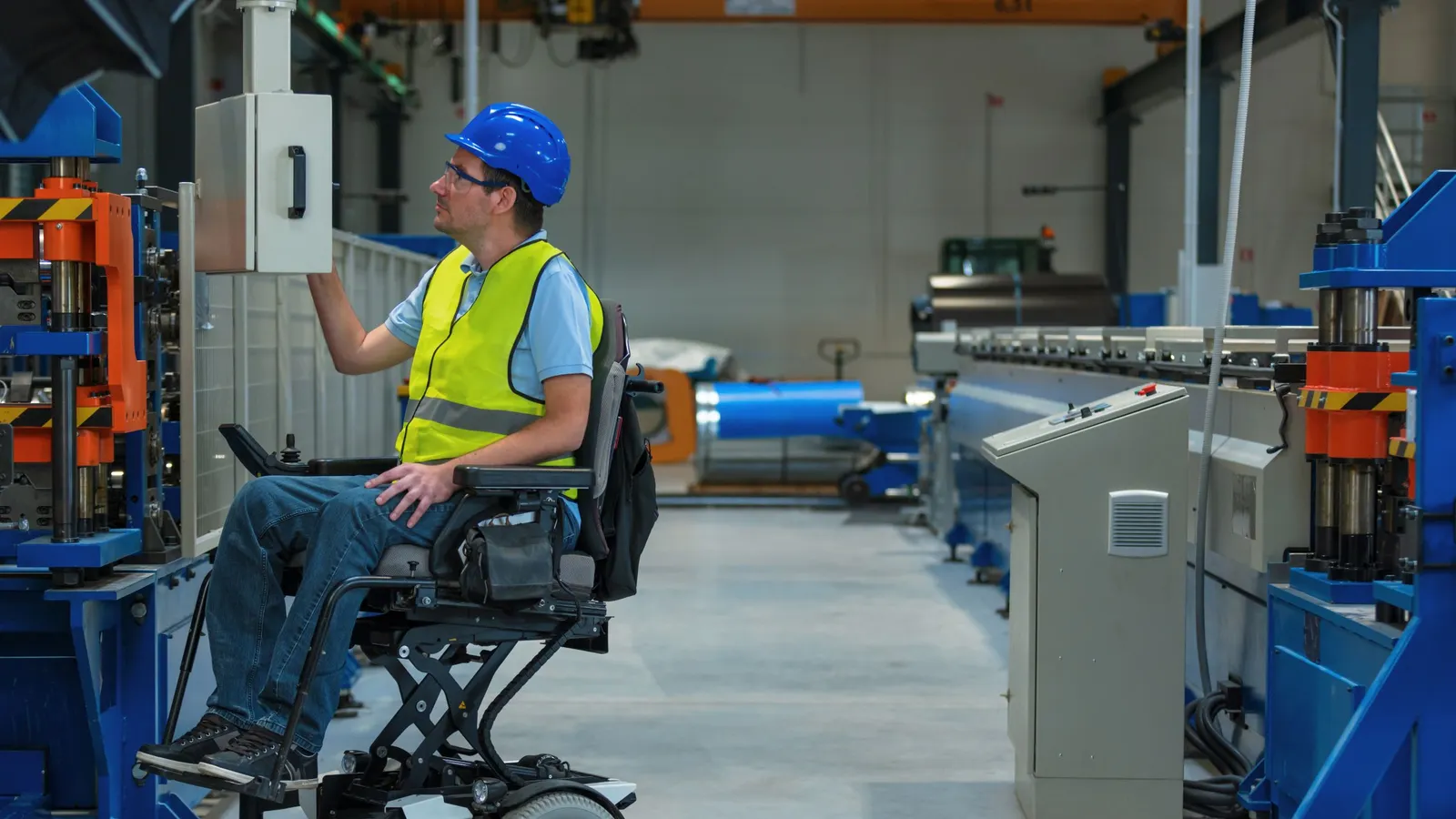
The manufacturing sector is increasingly looking towards a non-traditional talent pool by embracing workers with disabilities, aiming to alleviate persistent workforce shortages while setting a precedent for inclusive hiring practices.
What Happened
Manufacturers are recognizing the untapped potential of hiring workers with disabilities, a move that aligns with the industry's need to fill critical workforce gaps. As the sector faces ongoing labor shortages, this initiative not only addresses the immediate demand for skilled workers but also promotes diversity and inclusion within the workplace. Companies are adopting skills-based hiring practices, which focus on the specific abilities and competencies of candidates rather than traditional qualifications or past job titles. This approach enables employers to identify and capitalize on the unique skills that workers with disabilities can bring to the table.
What This Means for Your Business
For AECM (Architecture, Engineering, Construction, and Manufacturing) professionals, incorporating workers with disabilities into the workforce can provide numerous advantages. By broadening the talent pool and focusing on skills-based hiring, companies can enhance their competitive positioning in the market. Additionally, this strategy can lead to increased innovation and productivity, as diverse teams are often more creative and effective in problem-solving. Businesses may also benefit from federal incentives and funding opportunities aimed at promoting inclusive employment practices. Moreover, adopting these practices can improve compliance with various regulatory requirements, such as those related to workplace inclusivity and equal employment opportunities.
What US Operators Should Watch
US operators should pay attention to evolving federal guidelines and deadlines related to inclusive employment practices. Keeping abreast of procurement windows and funding opportunities for businesses that prioritize disability-inclusive hiring can provide significant advantages. Furthermore, staying informed about compliance requirements, such as those outlined by the Office of Federal Contract Compliance Programs (OFCCP), will be crucial for maintaining eligibility for government contracts and avoiding potential penalties. By proactively engaging with these initiatives, businesses can not only address labor shortages but also foster a more inclusive and innovative work environment.
Is your firm ready for what’s next?
VisioneerIT helps AECM and government contractors modernize operations, achieve compliance, and implement AI.
Explore VisioneerIT Solutions →