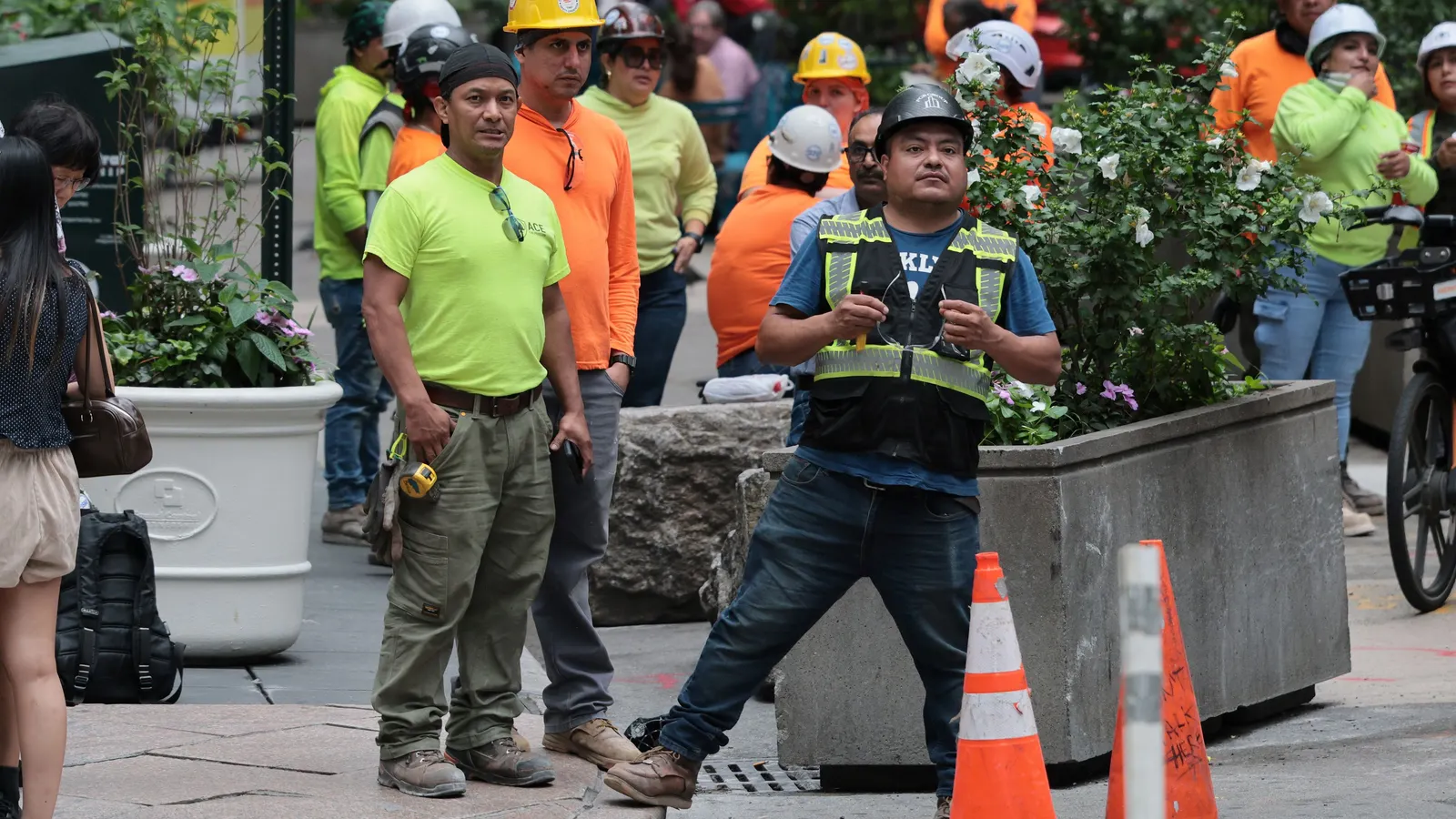
An adaptive reuse project in Manhattan has come to an abrupt halt after structural columns buckled on the 21st floor, raising significant safety and structural integrity concerns. The project, which aims to convert the former Pfizer headquarters into residential apartments, is a collaboration between design firm Gensler, developer Metro Loft, and Collaborative Construction Management. This incident underscores the complexities and risks involved in adaptive reuse projects, particularly in high-rise buildings.
What Happened
The structural failure was reported during construction, prompting immediate cessation of work on the site. The project, designed to transform a historical commercial building into a modern residential space, encountered this setback at the 21st floor—highlighting the engineering challenges in repurposing older structures. Structural integrity assessments are underway to determine the cause of the buckling and to devise a corrective action plan.
This development has placed a spotlight on the risks associated with adaptive reuse projects, which are often seen as sustainable alternatives to new construction. The need to integrate modern design and safety standards into older frameworks can lead to unforeseen structural issues, as demonstrated by the current situation.
What This Means for Your Business
For AECM professionals, this incident serves as a critical reminder of the importance of thorough structural assessments and risk management strategies in adaptive reuse projects. The potential for structural failures necessitates rigorous compliance with safety standards and demands a proactive approach to risk mitigation. As these projects continue to grow in popularity amid urban densification efforts, ensuring structural integrity while maintaining cost efficiency becomes paramount.
Additionally, this incident may influence future procurement processes and contract negotiations by emphasizing the need for comprehensive structural evaluations and contingency planning. Firms involved in similar projects should reassess their risk management and compliance strategies to align with industry best practices and regulatory requirements.
What US Operators Should Watch
Stakeholders should closely monitor developments in this case, as the findings from the structural assessments could influence future adaptive reuse projects and regulatory guidelines. The incident may lead to increased scrutiny from building safety regulators, potentially impacting approval timelines and compliance requirements for similar projects.
Furthermore, operators should prepare for possible shifts in insurance and liability considerations, as insurers may adjust their policies and premiums in response to structural failures in adaptive reuse projects. Staying informed on these developments will be crucial for maintaining competitive positioning in the market.
Source: https://www.constructiondive.com/news/structural-columns-buckle-manhattan-adaptive-reuse-project/824632/. Read the original story ->
Is your firm ready for what’s next?
VisioneerIT helps AECM and government contractors modernize operations, achieve compliance, and implement AI.
Explore VisioneerIT Solutions →Tracking the right federal opportunities?
OryonIQ's AI platform monitors agency forecasts, contract awards, and procurement timelines — so government contractors always know what’s coming next.
Try OryonIQ Free →