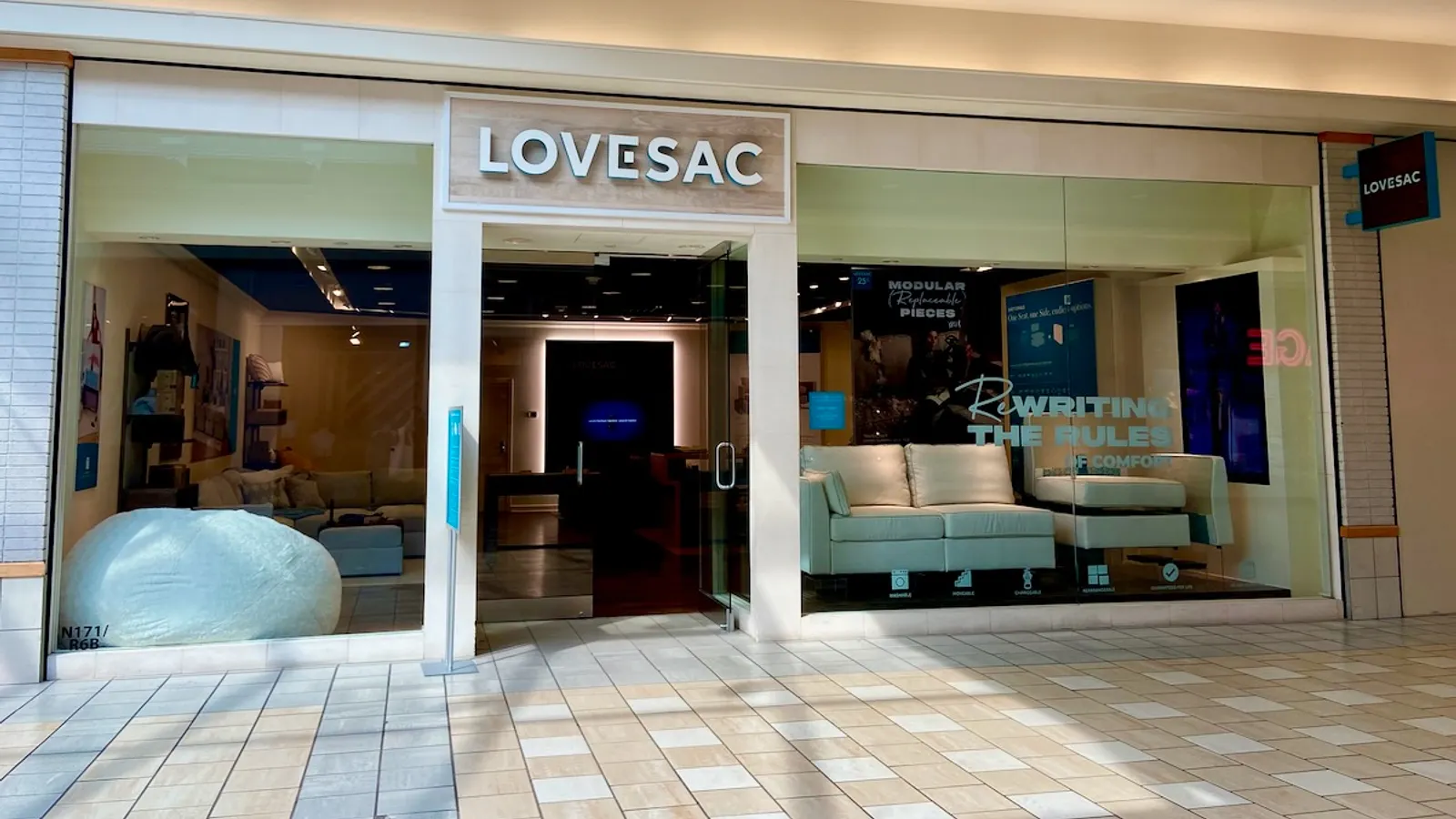
Lovesac, a prominent furniture company, is taking strategic steps to mitigate the impact of rising fuel costs by leveraging contract freight agreements. This move comes as the company seeks to stabilize its logistics expenses amidst fluctuating oil prices and volatile spot markets.
What Happened
Lovesac has turned to cargo partnerships to secure transportation capacity at a fixed contractual rate, a strategic shift aimed at offsetting the challenges posed by increasing oil prices. The decision to enter into contract freight agreements allows Lovesac to avoid the unpredictability of the spot market, where rates can vary significantly based on demand and fuel costs. By securing stable pricing through contracts, Lovesac aims to protect its bottom line and maintain a predictable cost structure for its logistics operations.
What This Means for Your Business
For businesses in the architecture, engineering, construction, and manufacturing sectors, Lovesac's approach highlights the importance of strategic freight management in the face of rising operational costs. By adopting contract freight agreements, companies can achieve greater cost predictability and potentially enhance their competitive positioning. This strategy is particularly pertinent for businesses that rely heavily on transportation and logistics, as it provides a buffer against market volatility and can lead to better budget management.
Moreover, this approach aligns with broader trends in supply chain management, where companies are increasingly seeking ways to reduce exposure to fluctuating fuel prices. For US operators, understanding and potentially adopting similar freight strategies could lead to improved return on investment and reduced financial risks associated with logistics.
What US Operators Should Watch
US businesses should closely monitor trends in fuel pricing and transportation costs, as these factors can significantly impact operational budgets. Additionally, keeping an eye on the availability and terms of contract freight agreements could provide valuable insights into optimizing supply chain strategies. As companies like Lovesac demonstrate the benefits of fixed-rate agreements, decision-makers in the AECM industries should consider exploring similar opportunities to enhance cost control and operational efficiency.
---
Source: Supply Chain Dive
Is your firm ready for what’s next?
VisioneerIT helps AECM and government contractors modernize operations, achieve compliance, and implement AI.
Explore VisioneerIT Solutions →