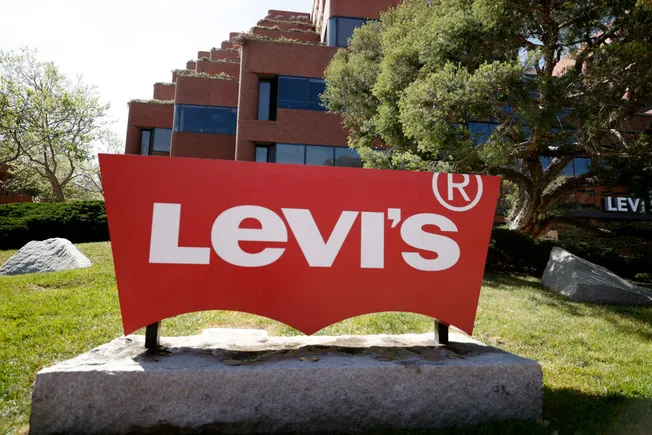
Levi Strauss & Co. is channeling a significant portion of its recent $80 million tariff refund into its supply chain and marketing efforts. This decision comes after the Supreme Court's nullification of President Donald Trump's country-specific duties, which released millions back to consumer goods companies. Levi's move is set to fortify its market stance and enhance operational efficiencies, which is crucial for the apparel giant as it navigates the competitive landscape.
What Happened
Levi Strauss & Co. announced it would allocate three-quarters of its $80 million tariff refund towards bolstering its distribution, logistics, and marketing initiatives. As detailed by Harmit Singh, the company's Executive Vice President and Chief Financial and Growth Officer, during an October 7 earnings call, about $60 million will be dedicated to these improvements. Specifically, one-third of this amount will target distribution and logistics, with the remaining funds evenly distributed between marketing and promotional activities. A minor portion of the refund has been used for inventory clearance in preparation for the holiday season, with most supply chain investments occurring in the current quarter.
This strategic deployment of funds aims to support Levi's near-term growth and long-term financial objectives, including achieving mid-single-digit revenue growth and setting a trajectory towards a 15% operating margin. The reinvestment comes at a time when several other consumer goods companies, such as McCormick & Co. and Kimberly-Clark, are also leveraging their tariff refunds to mitigate rising input costs.
What This Means for Your Business
For AECM professionals and government contractors, Levi's approach underscores the importance of strategic reinvestment in supply chain infrastructure and market positioning. The decision to allocate funds towards distribution and logistics highlights a growing trend among manufacturers to optimize their supply chains, a move that can offer competitive advantages and improved operational efficiency. Moreover, Levi's focus on marketing and promotional activities suggests an emphasis on brand strengthening and customer engagement, strategies that can significantly impact revenue growth and market share.
For companies engaged in federal contracts, this signals a potential increase in demand for logistics services and supply chain optimization projects. The ripple effect of such investments could open up new opportunities for partnerships and contracts, especially for firms specializing in these areas.
What US Operators Should Watch
AECM executives should closely monitor Levi's ongoing supply chain investments as a benchmark for industry trends. The company's fiscal year ends on November 29, and the tariff recovery's contribution to gross margins will be an important indicator of the financial impact of such strategic reinvestments. Additionally, keeping an eye on federal policy changes regarding tariffs and duties could provide foresight into future financial planning and investment strategies.
As the landscape evolves, staying informed about procurement windows and regulatory timelines will be crucial for maintaining a competitive edge. Companies should prepare for potential shifts in demand for supply chain and logistics expertise, driven by similar strategic realignments across the sector.
Source: [Supply Chain Dive]. Read the original story ->
Is your firm ready for what’s next?
VisioneerIT helps AECM and government contractors modernize operations, achieve compliance, and implement AI.
Explore VisioneerIT Solutions →