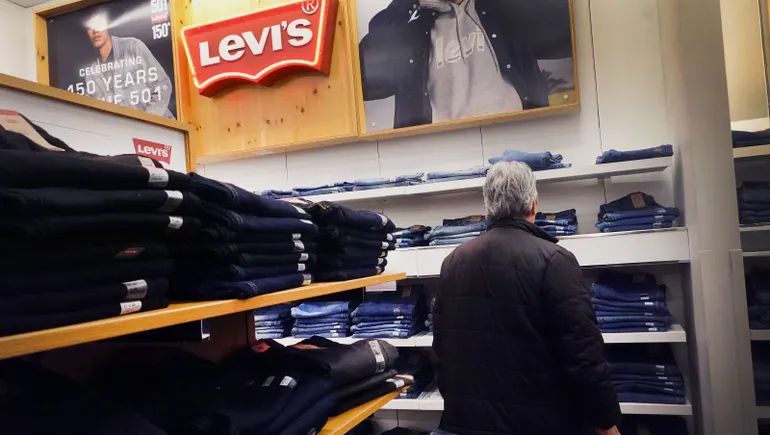
Levi Strauss and Marks & Spencer have teamed up with Schneider Electric to launch the Fashion Renewable Collective (FRC), a groundbreaking initiative aimed at transforming energy use across fashion supply chains. Announced during New York City's annual climate week, this initiative is set to provide suppliers with the tools and frameworks necessary to transition to renewable electricity, a move that could significantly reduce the industry's carbon footprint.
What Happened
The Fashion Renewable Collective is designed to help fashion suppliers, from garment manufacturers to fabric mills, adopt renewable electricity at scale. This initiative emerges as fashion brands seek to align their climate commitments with tangible emissions reductions. The FRC offers a structured implementation model, including online educational modules, to help suppliers understand and apply clean energy concepts. Through the program, suppliers can access renewable energy solutions like power purchase agreements, energy attribute certificates, and on-site renewable power generation. This effort is backed by Schneider Electric’s advisory services, providing suppliers with necessary market guidance and digital education tools.
The urgency of the FRC is underscored by alarming statistics: the fashion industry is the third-largest polluter globally, responsible for nearly 10% of annual greenhouse gas emissions. Without intervention, it could account for over 26% of the world's carbon budget by 2050. The Apparel Impact Institute notes that suppliers are responsible for more than half of the industry's carbon footprint, highlighting the critical need for renewable energy adoption.
What This Means for Your Business
For US businesses operating within the AECM sector or engaging in government contracting, the launch of the FRC signals a significant shift towards sustainable procurement and manufacturing practices. Companies can expect increased pressure to align with renewable energy initiatives, as major brands like Levi's and Marks & Spencer set new standards for environmental responsibility. This initiative may also lead to new federal funding opportunities and tax incentives for companies that adopt renewable energy solutions.
Engaging with programs like the FRC could enhance competitive positioning by demonstrating a commitment to sustainability, potentially leading to stronger partnerships with leading fashion brands. Additionally, the transition to renewable energy could result in long-term cost savings and a more resilient supply chain, reducing exposure to volatile fossil fuel markets.
What US Operators Should Watch
US operators should closely monitor developments in the FRC and similar initiatives, as they may influence federal procurement requirements and sustainability benchmarks. Key deadlines for compliance and participation in renewable energy programs should be tracked, as early adoption could offer strategic advantages. Additionally, operators should stay informed about potential changes in federal regulations related to carbon emissions and renewable energy use, ensuring readiness for any compliance audits or bid opportunities.
Source: Supply Chain Dive
Is your firm ready for what’s next?
VisioneerIT helps AECM and government contractors modernize operations, achieve compliance, and implement AI.
Explore VisioneerIT Solutions →


