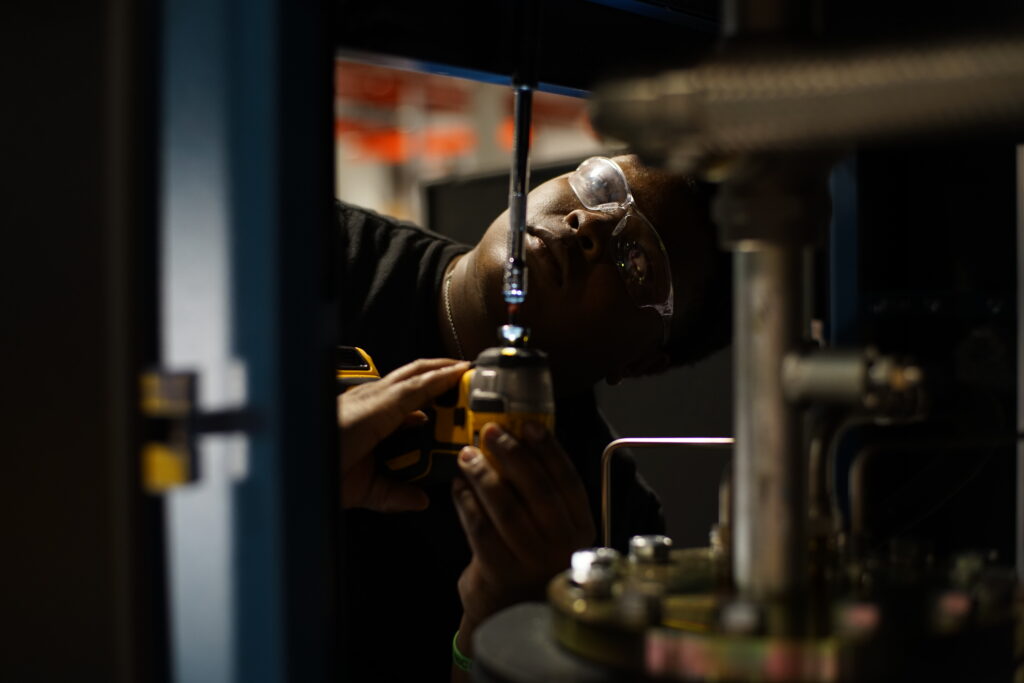
Applying lean manufacturing principles to maintenance processes presents a transformative opportunity for industrial companies. As energy costs soar and productivity pressures mount, integrating these principles can drive significant efficiency gains.
What Happened
Many companies have adopted lean manufacturing concepts, yet their application often stops at production, missing a critical opportunity in maintenance processes. According to John Schmitt, writing for Plant Engineering, the failure to extend lean principles to maintenance—especially regarding compressed air systems—results in substantial waste. For example, leaks in compressed air systems can waste between 20% to 30% of the produced air, directly impacting operational costs. The article outlines ten ways to implement lean principles in maintenance, emphasizing the shift from preventive to predictive maintenance to reduce downtime and cut unnecessary service costs.
What This Means for Your Business
For AECM industry professionals, adopting lean maintenance principles offers a pathway to enhanced operational efficiency and cost reduction. Transitioning from traditional preventive maintenance to predictive maintenance can sharpen competitive positioning by minimizing downtime and optimizing resource allocation. Implementing lean principles such as 5S and kanban systems can lead to more efficient maintenance schedules, reducing both waste and energy consumption. This approach aligns with sustainability goals and can improve ROI by decreasing the total cost of ownership for plant equipment. As energy costs constitute a major portion of operational expenses, focusing on maintenance of mission-critical functions first can yield substantial savings.
What US Operators Should Watch
Operators should monitor advancements in predictive maintenance technologies and lean methodologies that can be integrated into existing systems. Staying informed about federal incentives for energy efficiency improvements can also provide financial benefits. Additionally, keeping an eye on industry standards for equipment effectiveness and maintenance processes will be crucial in maintaining competitive edge. Companies should prepare for potential audits of maintenance practices to ensure compliance with evolving industry regulations.
---
Source: Plant Engineering. Read the original story ->
Is your firm ready for what’s next?
VisioneerIT helps AECM and government contractors modernize operations, achieve compliance, and implement AI.
Explore VisioneerIT Solutions →


