Two businesses have filed a lawsuit against the Trump-era Section 301 tariffs, arguing these levies were improperly implemented under the guise of addressing forced labor regulations. This legal challenge could significantly impact procurement strategies and cost structures across the architecture, engineering, construction, and manufacturing (AECM) sectors.
What Happened
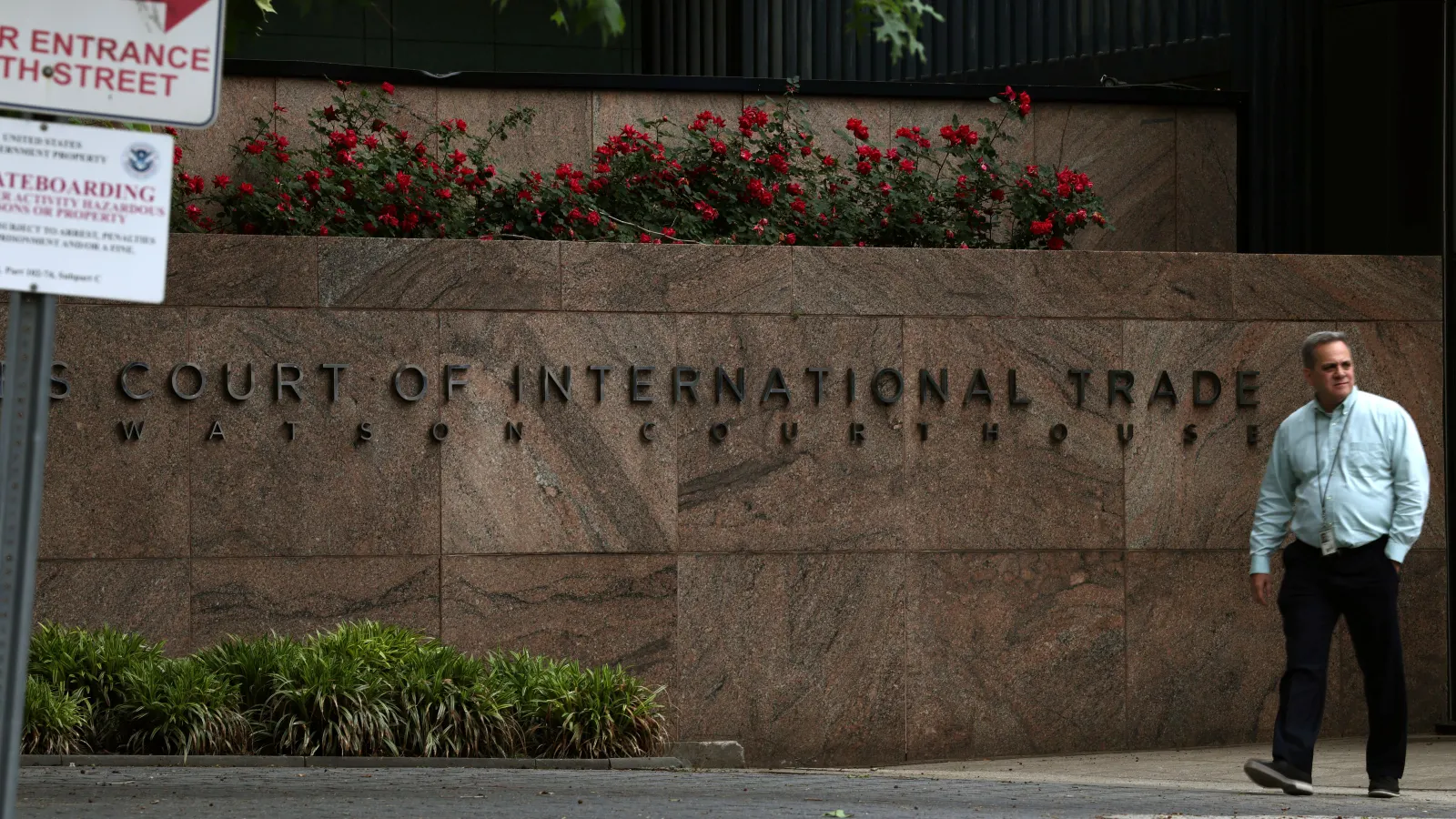
The lawsuit, filed by two businesses, contends that the Section 301 tariffs imposed during the Trump administration were unlawfully extended beyond their intended scope. Initially aimed at countering China's trade practices, the tariffs have been criticized for their broad application and economic burdens on U.S. industries. The plaintiffs argue that these tariffs were used to reintroduce duties that had previously been removed, under the pretext of addressing forced labor concerns. This legal action seeks not only the removal of these tariffs but also refunds for the duties already paid. The outcome of this lawsuit could set a precedent for how trade policies are implemented and challenged in the future.
What This Means for Your Business
For AECM industry leaders, the potential removal of Section 301 tariffs could lead to significant cost savings and changes in procurement strategies. Companies importing materials from China have faced increased costs due to these tariffs, impacting project budgets and timelines. A successful challenge could mean refunds on previously paid duties, offering financial relief and improved cash flow. Additionally, the resolution of this legal dispute may influence future trade policy decisions, affecting compliance requirements and competitive positioning for U.S. businesses. Understanding the implications of this lawsuit is crucial for strategic planning and risk management in the AECM sector.
What US Operators Should Watch
AECM professionals should closely monitor the progress of this lawsuit, as it could influence future trade negotiations and tariff implementations. Key dates and decisions in this legal battle could affect procurement windows and project budgeting. Businesses should also stay informed about any changes in compliance requirements related to trade policies and tariffs. As the court case unfolds, operators should be prepared to adjust their strategies in response to potential shifts in the regulatory landscape.
Partner Insight · VisioneerIT
Understanding the implications of trade policies is essential for technology companies looking to secure government contracts. VisioneerIT provides support in navigating federal compliance standards, ensuring your business is well-prepared for opportunities in the AECM sector.
Explore VisioneerIT Cybersecurity →
Is your firm ready for what’s next?
VisioneerIT helps AECM and government contractors modernize operations, achieve compliance, and implement AI.
Explore VisioneerIT Solutions →