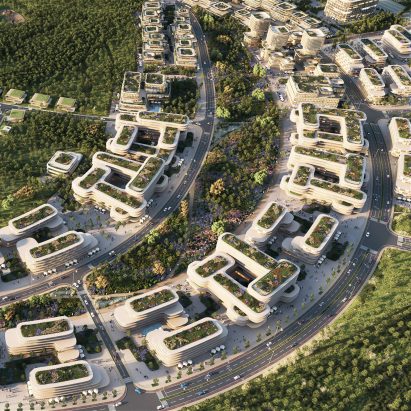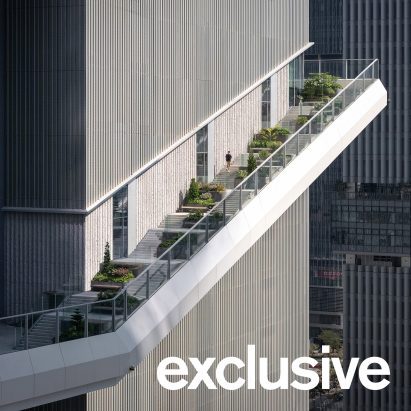
A groundbreaking architectural feat has emerged in Shenzhen, China, with the unveiling of a unique one-kilometer-long landscape ribbon wrapping around the TP-Link LXD tech campus, designed by Kohn Pedersen Fox Associates (KPF). This ambitious project, encompassing 124,600 square meters, integrates office spaces, research facilities, and residential areas across three interconnected towers. For AECM professionals, this development signals a significant shift towards integrating green spaces within urban architecture, presenting new opportunities and challenges in sustainable design.
What Happened
The TP-Link LXD tech campus, located in Shenzhen, is a testament to the innovative architectural prowess of KPF. The project features a continuous series of terraces and planted staircases, forming a landscape ribbon that seamlessly integrates nature with urban infrastructure. The campus comprises three towers, each designed to foster a sense of community and collaboration through shared green spaces. This design not only maximizes the use of a compact site but also aligns with the growing trend of biophilic design, aimed at enhancing occupant well-being and environmental sustainability.
What This Means for Your Business
For businesses in the architecture, engineering, and construction sectors, the TP-Link LXD project highlights the increasing demand for sustainable and innovative design solutions. The integration of green spaces within urban environments is no longer a mere aesthetic choice but a strategic imperative that can influence property values, tenant satisfaction, and regulatory compliance. As cities become denser, the ability to create multifunctional spaces that blend nature with urban living will become a key differentiator. This project also underscores the importance of collaboration among architects, engineers, and developers to achieve such complex designs, potentially leading to new partnerships and business opportunities.
What US Operators Should Watch
AECM professionals should keep an eye on similar projects and trends emerging globally, as they often set precedents for future developments in the United States. The push towards incorporating biophilic elements and sustainable practices in architecture is expected to gain momentum, driven by both regulatory pressures and market demand. Additionally, staying informed about advancements in materials and construction techniques that support such designs will be crucial. As federal and state regulations increasingly favor sustainable development, understanding these trends will be vital for maintaining competitive advantage and ensuring compliance.
Source: https://www.dezeen.com/2026/07/18/tp-link-lxd-tech-campus-kpf-china/. Read the original story ->
Is your firm ready for what’s next?
VisioneerIT helps AECM and government contractors modernize operations, achieve compliance, and implement AI.
Explore VisioneerIT Solutions →