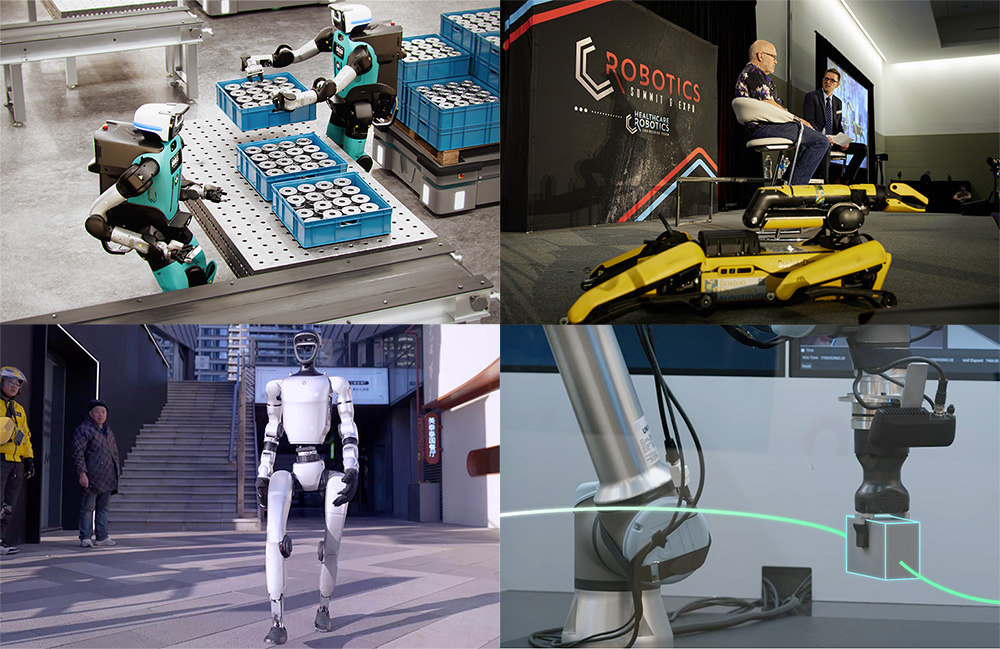
Japan's renewed focus on humanoid robotics signals a strategic shift that underscores the importance of robust domestic manufacturing capabilities, a lesson not lost on US industry leaders.
What Happened
Japan, once a pioneer in humanoid robotics, is making significant strides to reclaim its leadership role in this rapidly evolving field. After a period where Chinese manufacturers dominated the market with cost-effective and scalable production, Japan is now investing heavily in artificial intelligence, precision engineering, and advanced manufacturing. Key industry players such as Honda, Toyota, and FANUC are at the forefront of this resurgence, leveraging Japan’s expertise in servo motors, bearings, and industrial automation. According to the International Federation of Robotics, Japan remains a powerhouse in industrial robot production, contributing to 45% of the global output and maintaining a high density of manufacturing robots relative to its workforce.
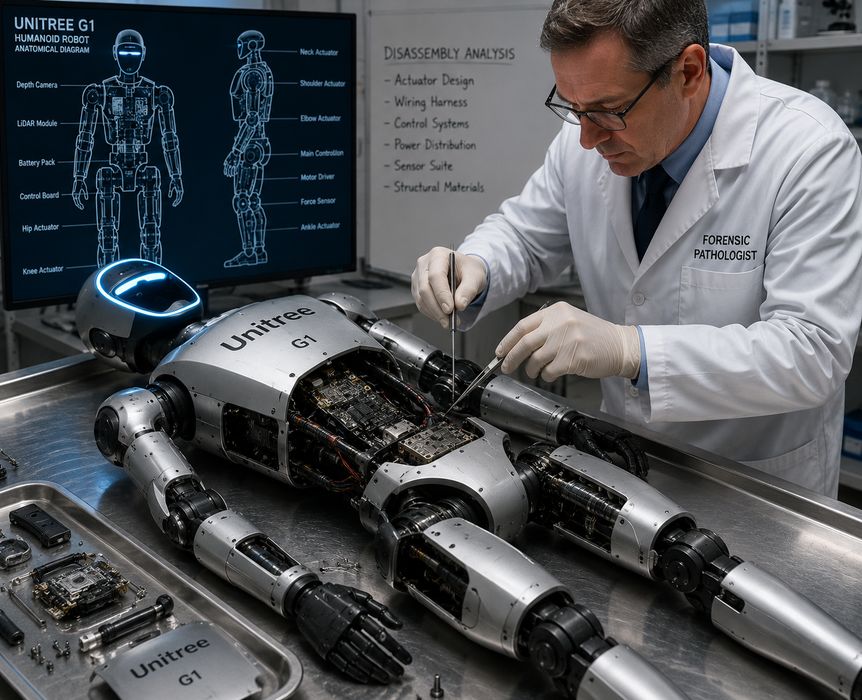
A detailed teardown of the Chinese-made Unitree G1 robot by Japanese engineers highlighted the advancements made by Chinese manufacturers, emphasizing the need for a strong domestic ecosystem that supports the production of complex robotic systems. This analysis is part of Japan's broader strategy to understand and potentially surpass the cost efficiencies achieved by its Asian counterparts.
What This Means for Your Business
For US business decision-makers in the architecture, engineering, construction, and manufacturing (AECM) sectors, Japan’s renewed investment in robotics is a clarion call for bolstering domestic manufacturing capabilities. The strategic importance of having a resilient manufacturing infrastructure cannot be overstated, particularly as the global humanoid robot market is projected to grow at an annual rate exceeding 35% over the next decade. This growth will be driven by applications across sectors like logistics, healthcare, and public services.
US companies must consider the competitive advantages of investing in advanced manufacturing technologies and developing robust supply chains to capitalize on federal funding opportunities aimed at enhancing domestic production capacities. Additionally, compliance with evolving standards like the Cybersecurity Maturity Model Certification (CMMC) will be crucial for securing government contracts in this domain.
What US Operators Should Watch
US operators should closely monitor federal initiatives that support manufacturing innovation and robotics development. Key opportunities include grants and incentives for research and development in advanced manufacturing technologies. Keeping an eye on procurement windows for government contracts related to robotics and automation will be essential for competitive positioning. Additionally, companies should prepare for upcoming CMMC audit dates to ensure compliance and secure eligibility for defense contracts.
Is your firm ready for what’s next?
VisioneerIT helps AECM and government contractors modernize operations, achieve compliance, and implement AI.
Explore VisioneerIT Solutions →