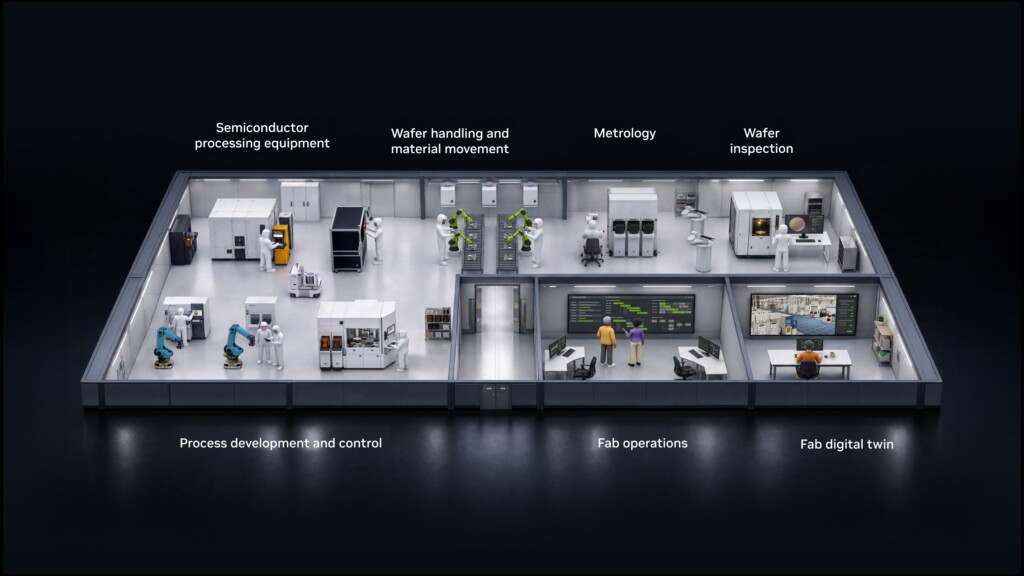
Coordinating robots and autonomous systems is emerging as a critical frontier in the advancement of artificial intelligence (AI) for the AECM industry. Despite technological strides, the lack of interoperability among robotic systems presents a significant bottleneck, delaying the full realization of AI's potential in physical environments.
What Happened
The AI industry is currently grappling with a major hurdle: robots and autonomous systems struggle to communicate effectively with each other. This lack of interoperability is proving to be a substantial barrier to the adoption and integration of advanced AI systems in construction, engineering, and manufacturing sectors. The ability to coordinate multiple robotic systems seamlessly is crucial for optimizing workflows and enhancing productivity in these industries. However, the absence of standardized protocols and communication frameworks means that robots from different manufacturers often operate in isolation, reducing efficiency gains that could be achieved through coordinated efforts.
What This Means for Your Business
For businesses in the AECM sectors, the current state of robot interoperability presents both challenges and opportunities. On one hand, the inability of robots to communicate with each other limits the scope of automation and the potential for AI-driven efficiencies. This could affect procurement strategies and necessitate investment in bespoke solutions or integration services to enable effective robotic coordination. On the other hand, companies that can innovate or adopt solutions to bridge these communication gaps may gain a competitive edge. There are significant implications for compliance, as businesses will need to ensure that their AI systems adhere to evolving standards and protocols, potentially impacting costs and ROI. Additionally, federal funding and contracts could become available to support initiatives aimed at overcoming these interoperability challenges, offering financial incentives to early adopters.
What US Operators Should Watch
US operators must keep abreast of developments in AI interoperability standards and frameworks. Monitoring federal initiatives and funding opportunities aimed at addressing these challenges will be crucial. Moreover, businesses should track advancements in AI interoperability solutions that could influence procurement decisions and operational strategies. Staying informed about regulatory changes related to AI systems and ensuring compliance with emerging standards will be vital for maintaining competitive positioning in the market.
Source: https://aibusiness.com/robotics/untitled. Read the original story ->
Partner Insight · VisioneerIT
As businesses navigate the complexities of AI adoption, understanding interoperability challenges is crucial for effective deployment. VisioneerIT can assist in developing governance frameworks that ensure compliance and optimize AI integration.
Explore VisioneerIT Cybersecurity →
Is your firm ready for what’s next?
VisioneerIT helps AECM and government contractors modernize operations, achieve compliance, and implement AI.
Explore VisioneerIT Solutions →