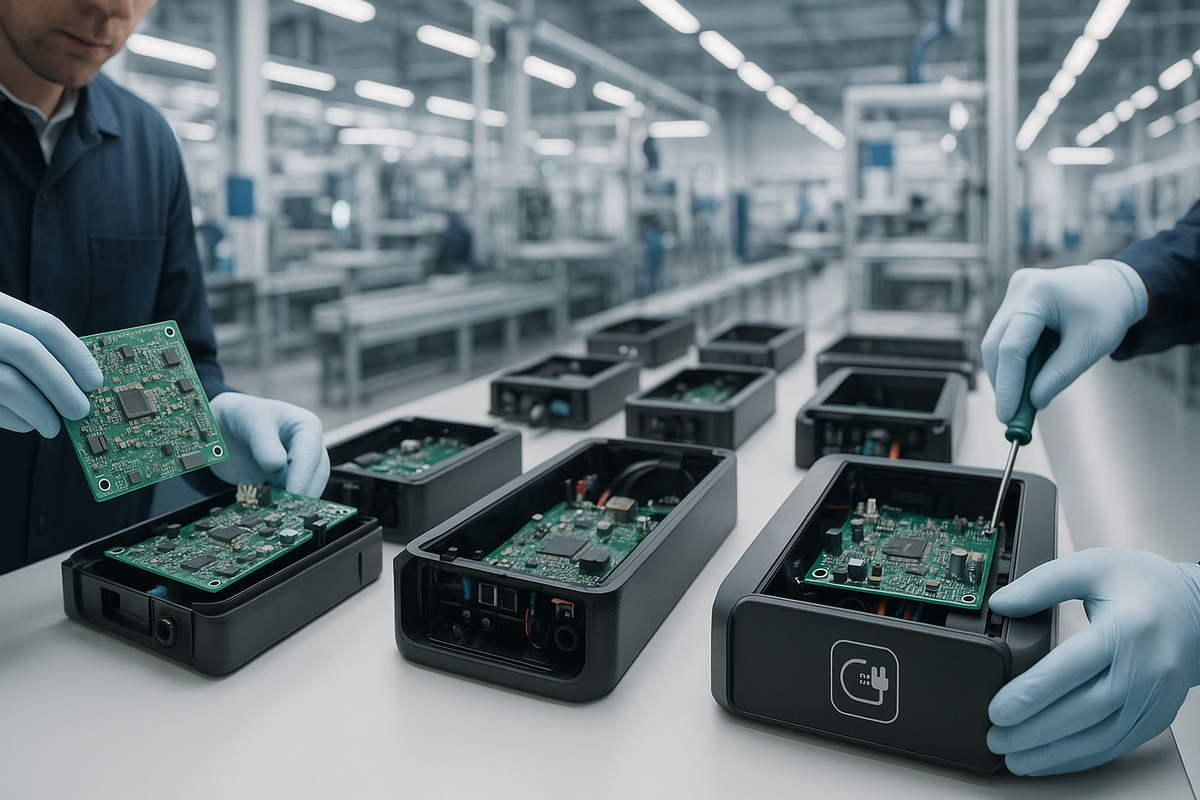
The electric vehicle (EV) industry is witnessing a significant transformation with the evolution of charging inlets into comprehensive systems. This shift is poised to streamline the complexity of charge-control electronics, aligning with J3400, MCS, and global EV standards. For businesses in the architecture, engineering, construction, and manufacturing (AECM) sectors, this development signifies a pivotal moment that could redefine manufacturing and deployment processes.
What Happened
The integration of charge-control architecture has emerged as a game-changer in the EV market. Traditionally, charging inlets were relatively simple components, but recent advancements have expanded their role into sophisticated systems. These systems are designed to handle the intricacies of different charging standards such as the J3400 and Megawatt Charging System (MCS), as well as cater to a wide array of global EV platforms. This evolution allows for more seamless interoperability and efficiency, reducing the overall complexity and cost of EV infrastructure.
The shift towards integrated systems is driven by the need for uniformity and compatibility across various charging interfaces. As EV adoption accelerates, the demand for a more streamlined and efficient charging process has become paramount. This transformation is not just about the technological upgrade; it also encompasses the strategic alignment of manufacturing processes to accommodate these changes, ensuring that EVs can meet global standards without extensive modification.
What This Means for Your Business
For AECM professionals, this development presents a unique opportunity to enhance competitive positioning in the burgeoning EV market. Companies involved in the manufacturing of EV components can capitalize on this trend by investing in research and development to create more integrated and efficient charge-control systems. This can lead to significant cost savings and improved return on investment (ROI) as the demand for EVs continues to rise.
Furthermore, the alignment with standards such as J3400 and MCS ensures that products are future-proof and compatible with upcoming regulatory requirements. This is crucial for compliance officers and procurement directors who must navigate the complex landscape of EV regulations. Adopting these integrated systems can also facilitate easier compliance with cybersecurity frameworks like the Cybersecurity Maturity Model Certification (CMMC) and National Institute of Standards and Technology (NIST) guidelines, which are increasingly relevant in the context of connected and autonomous vehicles.
What US Operators Should Watch
US operators should closely monitor the evolving standards and regulatory timelines associated with EV charging systems. Key dates to watch include the rollout of new federal funding initiatives aimed at bolstering EV infrastructure, which could provide lucrative opportunities for companies ready to adapt and innovate. Additionally, staying informed about procurement windows and bid opportunities for government contracts related to EV infrastructure will be critical for maintaining a competitive edge.
The adoption of integrated charge-control systems not only simplifies the manufacturing and deployment processes but also aligns with broader sustainability goals, making it a strategic imperative for businesses aiming to lead in the green economy.
Source: EE Times
Is your firm ready for what’s next?
VisioneerIT helps AECM and government contractors modernize operations, achieve compliance, and implement AI.
Explore VisioneerIT Solutions →