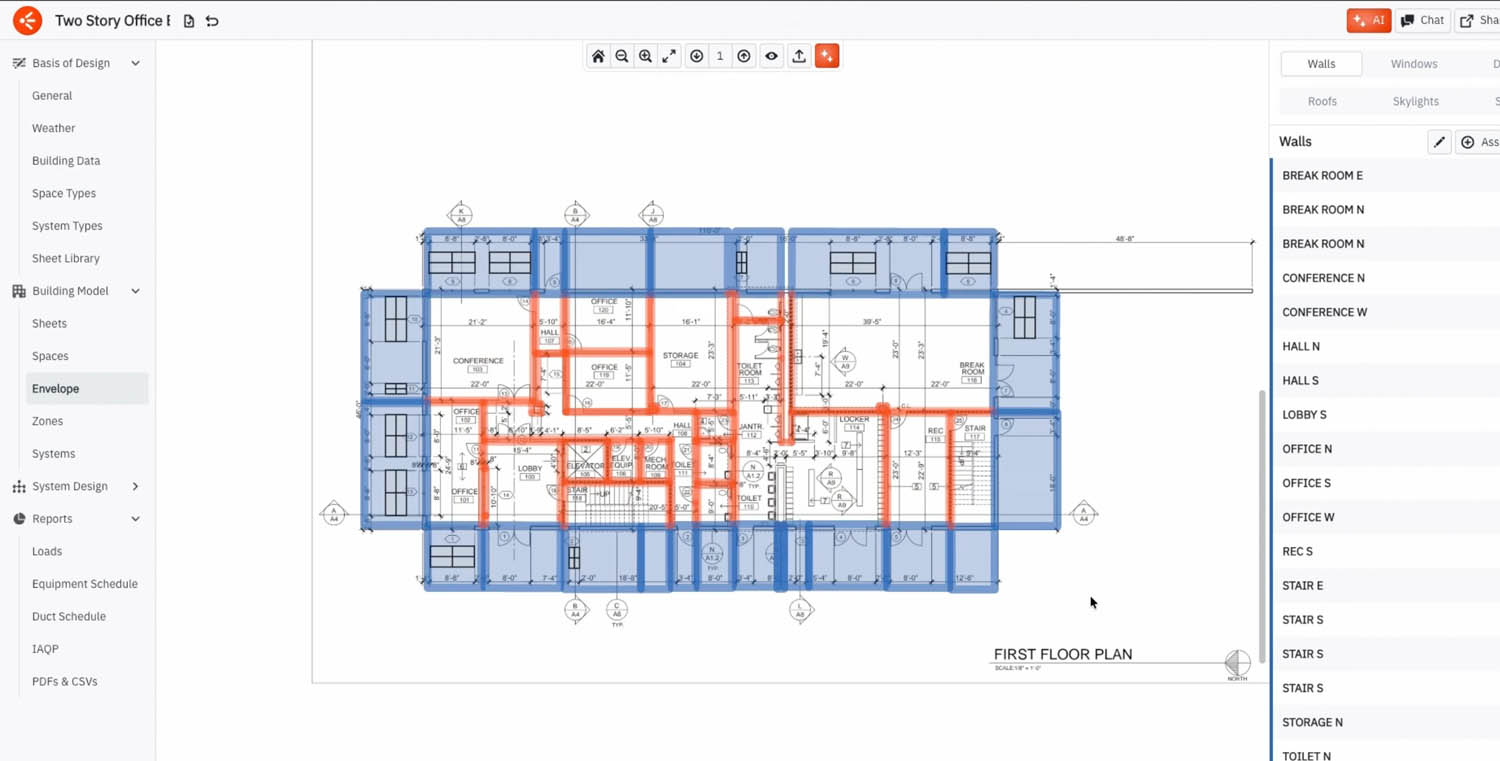
In the rapidly evolving landscape of engineering software, the introduction of AI-driven solutions is beginning to make significant waves, particularly in the mechanical design sector. HVAKR, an innovative platform developed by the Californian company of the same name, is spearheading this transformation by integrating HVAC load calculations and duct layouts into a single, AI-enhanced cloud platform. This advancement is set to streamline workflows and enhance productivity, offering a glimpse into the future of mechanical, electrical, and plumbing (MEP) engineering.
What Happened
HVAKR, co-founded by Andres Krippner and Davis Muxlow, emerged from a humble beginning to become part of Techstars' 2024 cohort. The platform was developed over two years, from 2021 to 2023, with the help of Dayton Muxlow. The company's mission is to eliminate the reliance on scattered Excel files and desktop applications that currently dominate mechanical design work. By consolidating the entire workflow from load calculations to duct layout within a single environment, HVAKR aims to reduce errors and improve efficiency.
Traditionally, mechanical consultancies have relied on a fragmented array of tools such as Trane Trace or Carrier HAP for load calculations, combined with separate CAD systems for physical distribution. This often resulted in disjointed processes, where any late-stage architectural change could necessitate manual data re-entry, increasing the risk of discrepancies between the load model and duct layout. HVAKR addresses this issue by integrating these tasks into one cohesive project. Changes in architectural elements like glazing or occupancy are now automatically reflected across all relevant calculations, ensuring consistency and reducing the potential for error.
Why It Matters for the AECM Industry
For AECM professionals, the implications of HVAKR's platform are substantial. By streamlining the design process, the platform promises to cut down project timelines and reduce labor costs associated with manual data entry and error correction. The AI component acts as a digital assistant, capable of performing initial project setups, space modeling, and zoning assignments based on simple natural language prompts.
This capability allows engineers to swiftly generate order-of-magnitude load figures, a crucial requirement during project kick-offs and bid meetings. The ability to use satellite imagery and generic templates to produce rough block loads in minutes rather than hours represents a significant productivity gain, particularly in the early stages of project planning.
Furthermore, the platform's AI can conduct analytical queries, such as identifying spaces with the highest cooling load per square foot and diagnosing energy drivers. This feature empowers senior engineers to quickly validate designs and make informed decisions, thereby enhancing the overall quality and efficiency of engineering projects.
What's Next
Looking ahead, HVAKR plans to expand its AI capabilities, with future developments including automated diffuser placement, generative duct routing, and comparative analyses of different system setups. These advancements will further enhance the platform's utility, offering engineers even greater flexibility and precision in their designs.
Professionals in the AECM industry should monitor HVAKR's progress closely, as its ongoing innovations could set new standards for mechanical design workflows. With the platform now actively onboarding MEP consultancies, it is poised to become an integral tool for firms seeking to leverage AI for competitive advantage.
Is your firm ready for what’s next?
VisioneerIT helps AECM and government contractors modernize operations, achieve compliance, and implement AI.
Explore VisioneerIT Solutions →