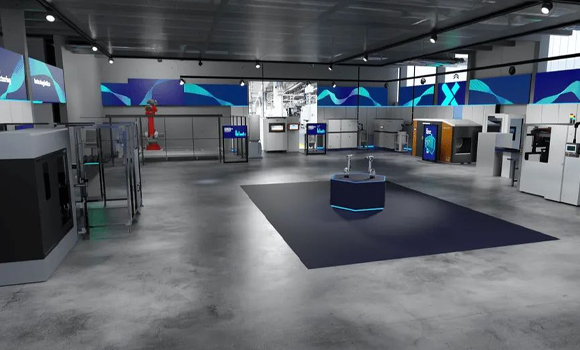
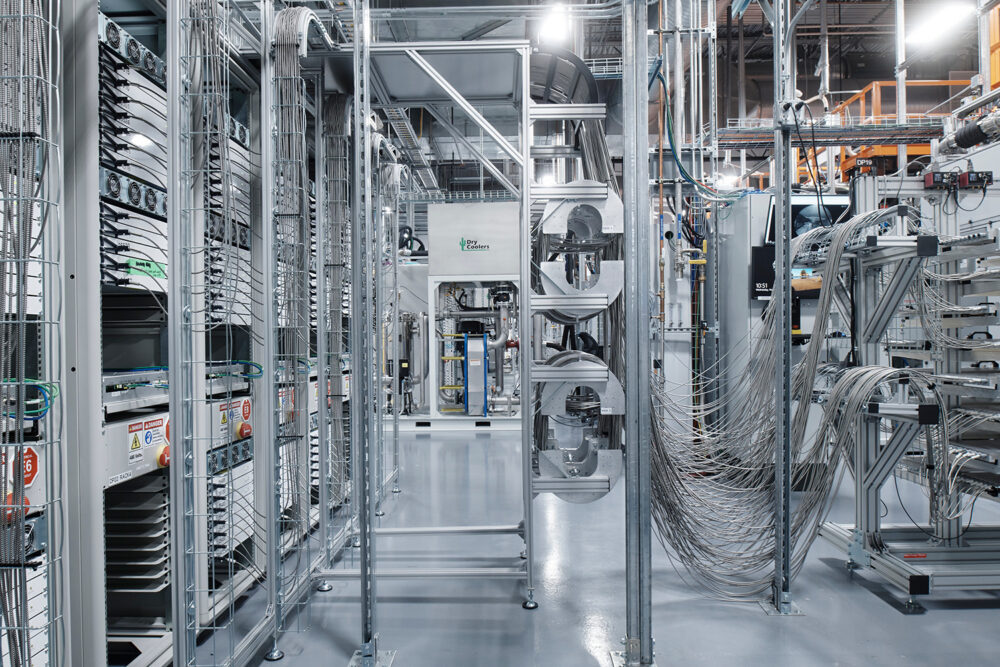
Humanoid robotics is rapidly transitioning from theoretical concepts to tangible applications, presenting significant engineering challenges and opportunities for the construction and manufacturing sectors. This shift is crucial for industry leaders focused on integrating advanced robotics into their operations to enhance efficiency and innovation.
What Happened
Humanoid robots are evolving beyond prototypes, entering the stages of real-world application. This development requires addressing complex engineering challenges, including advancements in sensing technologies, movement dynamics, and long-term serviceability. As these robots become more sophisticated, the materials used in their construction play a critical role. The need for lighter, more compact designs is paramount, along with the protection of sensitive electronics and sensors. These requirements are driving innovations in material science to ensure robust mechanical and electrical performance.
What This Means for Your Business
For AECM professionals, the rise of humanoid robotics could redefine operational efficiencies and competitive positioning. The integration of these robots in production lines and construction sites offers the potential for significant cost savings and improved precision in tasks traditionally reliant on human labor. Companies that can effectively incorporate these technologies may gain a competitive edge by enhancing productivity and reducing operational costs. However, this also entails navigating new compliance landscapes, including ensuring that robotic systems meet industry standards and safety regulations.
What US Operators Should Watch
US operators need to stay informed about the evolving regulatory frameworks and industry standards that will govern the deployment of humanoid robotics. Keeping an eye on federal funding opportunities for robotics research and development can also provide strategic advantages. As the industry progresses, deadlines for compliance with new standards and potential bid opportunities for government contracts involving robotics will be critical to track.
Source: [EE Times]. Read the original story ->
Partner Insight · VisioneerIT
The integration of humanoid robotics in manufacturing aligns with the need for software engineering and digital modernization to enhance operational efficiency. VisioneerIT can help businesses modernize their systems to fully leverage these advanced technologies.
Explore VisioneerIT Cybersecurity →
Is your firm ready for what’s next?
VisioneerIT helps AECM and government contractors modernize operations, achieve compliance, and implement AI.
Explore VisioneerIT Solutions →