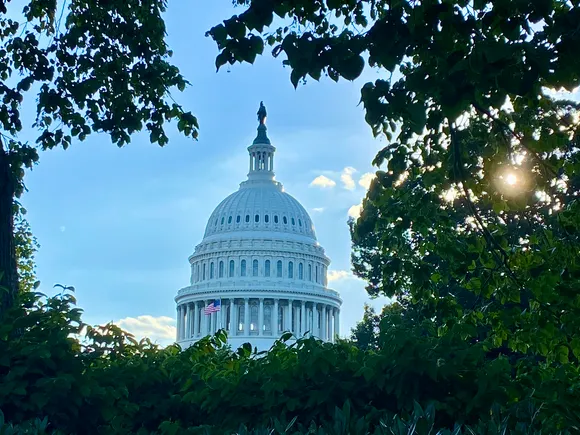
The U.S. House of Representatives has passed a trio of bills aimed at enhancing the recovery of critical minerals, with significant implications for the battery recycling and waste management sectors. This legislative move underscores an intensified focus on bolstering domestic supply chains for materials crucial to defense and advanced manufacturing, particularly as the U.S. seeks to reduce reliance on China.
What Happened
The three bills form part of a legislative package from the House Committee on Energy and Commerce, approved just before the House recess ahead of midterm elections. The Battery Recycling for America’s Competitive Economy Act (HR 9615), introduced by Rep. Marianette Miller-Meeks, R-Iowa, proposes updates to federal battery regulations to accommodate current lithium-ion chemistries. This would involve the U.S. Environmental Protection Agency (EPA) conducting rulemaking to classify lithium-ion batteries as universal waste within 18 months. The change aims to streamline storage and recycling processes, potentially recovering more lithium, cobalt, nickel, and copper.
The Coordinating and Harnessing America’s Recovery of Minerals Act (HR 9617) directs the EPA to collaborate with other agencies to create a National Critical Mineral Recovery Strategy. Introduced by Reps. Gary Palmer, R-Ala., and Paul Tonko, D-N.Y., this bill focuses on recovering minerals from discarded materials, such as electronic waste and legacy mine sites. It seeks to amend the Solid Waste Disposal Act of 1965, enhancing domestic supply resilience.
The Environmental Monitoring and Remediation Technology Assessment Initiative Authorization Act (HR 9616), introduced by Reps. August Pfluger, R-Texas, and Greg Landsman, D-Ohio, calls for updates to a 2023 EPA program. It advocates for the recovery of critical materials from contaminated sites, including Superfund sites, with an annual funding provision of $10 million.
What This Means for Your Business
These legislative efforts could significantly impact procurement strategies and operational costs for businesses involved in recycling and waste management. By easing restrictions and reducing permitting requirements, companies could benefit from increased efficiencies and lower costs in handling lithium-ion batteries. The focus on domestic recovery of critical minerals may open new funding opportunities and foster competitive advantages for U.S. operators, diminishing dependency on international supply chains.
Moreover, businesses must prepare for compliance with updated EPA regulations and potential shifts in waste categorization, affecting storage and processing protocols. This legislative package aligns with the National Association of Manufacturers' policy agenda, indicating broader industry support and potential advocacy benefits.
What US Operators Should Watch
Operators should track the timeline for EPA rulemaking on lithium-ion batteries, expected within 18 months post-enactment of HR 9615. Additionally, they should monitor developments around the National Critical Mineral Recovery Strategy and potential funding allocations under HR 9616. Staying informed on these regulatory changes will be crucial for maintaining compliance and optimizing operations in line with new federal guidelines.
Source: [Manufacturing Dive]. Read the original story ->
Is your firm ready for what’s next?
VisioneerIT helps AECM and government contractors modernize operations, achieve compliance, and implement AI.
Explore VisioneerIT Solutions →