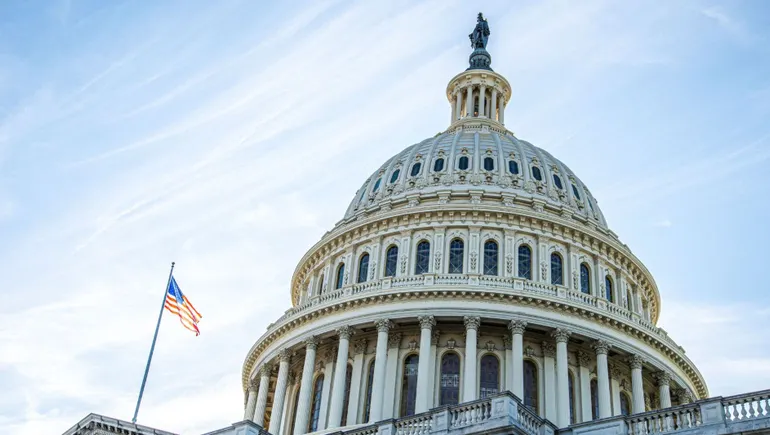
The U.S. House of Representatives is on the verge of passing the Bipartisan American Affordability and Jobs Act, a significant piece of legislation aimed at reforming the federal permitting process. This bill, already approved by the Senate, promises to streamline regulatory procedures and reduce costs for manufacturers—a move that industry leaders say could save $4.2 billion annually.
What Happened
The Bipartisan American Affordability and Jobs Act has cleared the Senate and is expected to pass in the House with minimal changes, according to Chris Phalen, Vice President of Domestic Policy at the National Association of Manufacturers (NAM). The legislation seeks to modernize the National Environmental Policy Act, expedite judicial reviews, and streamline processes under the Clean Water Act. These changes are designed to provide greater certainty and efficiency for infrastructure projects across the United States. The bill's passage in the Senate was facilitated by a strong bipartisan consensus, underscoring the need to address what many see as an overly burdensome permitting system that hinders vital infrastructure projects.
Despite some opposition from left-leaning Democrats and environmental groups, who argue that the bill diminishes air and water protections and reduces local oversight, the Senate version of the bill saw no major amendments. The bill also faced criticism from tribal organizations, who contend that it undermines tribal sovereignty and fails to ensure meaningful consultations with tribal leaders. However, the legislative package, influenced by previously passed House bills such as the Speed Act and the Permit Act, is expected to sail through the House, largely due to its bipartisan support.
What This Means for Your Business
For AECM professionals and manufacturing leaders, the passage of this bill represents a potential game-changer in project planning and execution. By reducing permitting costs by an estimated 35%, businesses can reallocate resources towards innovation and expansion, potentially increasing their competitive edge in the market. Additionally, the reforms promise to accelerate project timelines, allowing companies to bring products to market faster and improve their return on investment. This legislative change aligns with the broader industry push towards efficiency and cost-effectiveness, providing a more predictable regulatory environment that can facilitate long-term strategic planning.
Moreover, firms engaged in federal contracts must stay attuned to the evolving compliance landscape. The bill's passage could necessitate updates to compliance strategies, especially concerning environmental assessments and community consultations. Firms should prepare for these changes to maintain compliance and leverage the new opportunities that a streamlined permitting process could bring.
What US Operators Should Watch
With the House expected to approve the bill shortly, firms should monitor the timeline for the President's signature, anticipated soon after House approval. Companies should also pay close attention to any guidance issued by the Office of Management and Budget regarding the implementation of the new permitting processes. Staying informed about these developments will be crucial for businesses looking to capitalize on the regulatory changes and adjust their operational strategies accordingly.
As the legislative landscape evolves, AECM professionals and government contractors must remain vigilant, ensuring they are well-positioned to navigate and benefit from the impending regulatory reforms.
Source: [Manufacturing Dive]. Read the original story ->
Is your firm ready for what’s next?
VisioneerIT helps AECM and government contractors modernize operations, achieve compliance, and implement AI.
Explore VisioneerIT Solutions →


