Architectural innovation takes center stage as students from Hong Kong Polytechnic University unveil designs that merge cultural heritage with modern functionality. This initiative, showcased in Dezeen’s School Shows, presents a compelling narrative-driven exploration of religious rituals, offering fresh perspectives for architecture professionals and cultural institutions.
What Happened
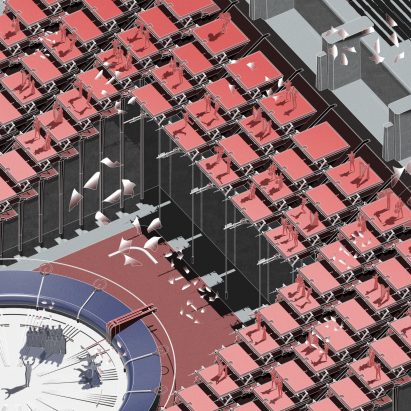
The Hong Kong Polytechnic University’s student projects have attracted attention for their unique approach to architecture, where cultural and educational elements are deeply integrated into design. Among the standout projects is a series of architectural drawings that explore religious rituals through narrative-driven spatial design. These projects are not limited to religious exploration; they include a spatial learning tool for children inspired by the traditional Chinese lion dance and workshops that incorporate poetry into Hong Kong Sign Language (HKSL).
This exhibition highlights a trend where architecture students are pushing the boundaries of traditional design by incorporating cultural narratives and educational elements. The focus on religious rituals and cultural practices reflects a broader movement towards creating spaces that are not only functional but also culturally resonant and educational.
What This Means for Your Business
For AECM professionals, these projects underscore the growing importance of cultural integration in architectural design. As global markets increasingly value culturally resonant spaces, architects and contractors should consider how such narratives can enhance project value and client satisfaction. The projects from Hong Kong Polytechnic University offer a blueprint for integrating cultural elements into design, which could appeal to clients seeking innovative and culturally meaningful spaces.
Moreover, the emphasis on educational tools within architectural spaces suggests new opportunities in the education sector. Incorporating elements like the lion dance or HKSL into design could open doors to partnerships with educational institutions and cultural organizations, potentially leading to new contract opportunities and revenue streams.
What US Operators Should Watch
US operators should monitor the rising trend of narrative-driven design and its implications for both public and private sector projects. As cultural and educational elements become more valued, staying ahead of this trend could provide a competitive edge in bidding for contracts that prioritize these aspects.
Additionally, operators should keep an eye on developments in culturally integrated design practices, as these could influence future federal and state procurement criteria. Understanding these trends can help align business strategies with evolving client expectations, ensuring compliance and enhancing competitive positioning.
Source: Dezeen
Is your firm ready for what’s next?
VisioneerIT helps AECM and government contractors modernize operations, achieve compliance, and implement AI.
Explore VisioneerIT Solutions →