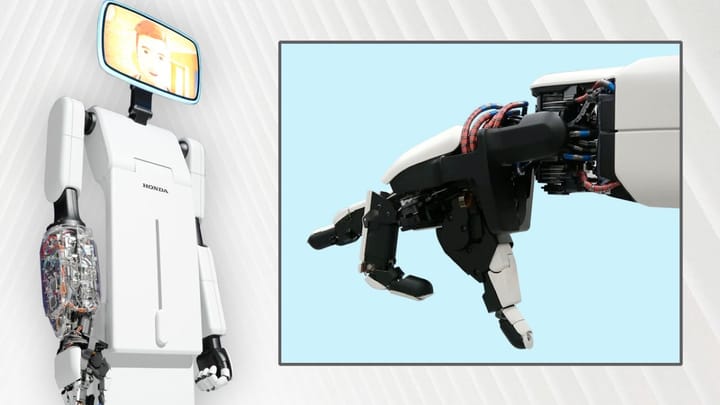
Honda's latest innovation in robotics has captured the attention of industries reliant on complex task execution. The company recently showcased a remote-controlled robot, highlighting a strategic step towards integrating robotics in environments where artificial intelligence alone cannot yet operate autonomously. This development is particularly significant for sectors such as construction and manufacturing, where intricate physical tasks are commonplace and precision is paramount.
What Happened
Honda's demonstration of its remote-controlled robot illustrates the potential for human-operated machines to bridge the gap in capabilities that fully autonomous robots have yet to achieve. The system enables a human operator to control the robot remotely, allowing for the execution of tasks that require a level of dexterity and decision-making beyond current AI capabilities. This approach not only broadens the scope of tasks that robots can undertake but also mitigates the risks associated with fully autonomous operations. The demonstration signifies a practical application of robotics in industries where safety, accuracy, and adaptability are critical.
What This Means for Your Business
For AECM professionals, the introduction of remote-controlled robotics can lead to significant advancements in project execution and risk management. These robots can be utilized in environments that are hazardous for human workers, thus enhancing safety protocols and potentially reducing insurance costs. Moreover, the ability to control robots remotely allows for precise task execution in challenging environments, boosting efficiency and productivity. As companies increasingly adopt such technologies, the competitive landscape will likely shift, favoring those who integrate advanced robotics into their operations. The cost implications are also notable; while initial investments may be substantial, the long-term savings in labor and operational efficiencies could yield a favorable return on investment.
What US Operators Should Watch
US operators should closely monitor Honda's developments in this space, particularly any updates on the commercial availability of these robots. Additionally, staying informed about related federal regulations and compliance standards, such as those concerning robotics and AI in the workplace, will be crucial. As the technology evolves, there may be new procurement opportunities and funding initiatives to support the integration of robotics in various sectors. Keeping an eye on these developments could provide strategic advantages for early adopters in the AECM industry.
Source: https://aibusiness.com/robotics/honda-demonstrates-remote-controlled-robot-complex-physical-tasks
Is your firm ready for what’s next?
VisioneerIT helps AECM and government contractors modernize operations, achieve compliance, and implement AI.
Explore VisioneerIT Solutions →