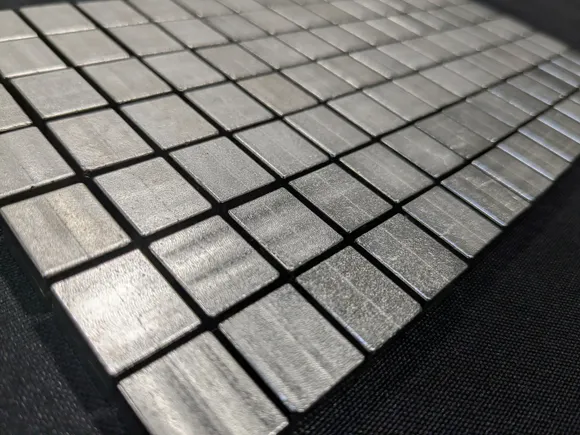
Honda's recent investment in Niron Magnetics, a Minnesota-based developer of rare-earth-free magnets, marks a significant development in the automotive industry's pursuit of sustainable and cost-effective materials. As the demand for electrified vehicle components rises, this move highlights a strategic pivot away from resource-constrained rare earth metals, primarily sourced from China.
What Happened
Honda Motor Co. has taken a stake in Niron Magnetics through its global open innovation program, Honda Xcelerator Ventures. This investment, announced on September 9, 2026, supports the development of Niron's innovative iron nitride magnet technology. These magnets substitute rare earth metals, traditionally used in electric vehicle (EV) motors, with iron nitride—a more sustainable and abundant alternative. The investment underscores Honda's commitment to overcoming supply chain vulnerabilities associated with rare earth metals, which China predominantly controls.
Niron Magnetics, which emerged from Department of Energy research in 2013, recently celebrated the construction commencement of a 287,000-square-foot manufacturing facility in Sartell, Minnesota. This plant, expected to be operational by 2027, will produce up to 1,500 tons of high-performance, rare-earth-free permanent magnets annually and employ 175 workers.
What This Means for Your Business
For businesses in the AECM sector, Honda's investment in Niron Magnetics signifies a shift towards more sustainable material sourcing. This transition could lead to reduced dependency on volatile global supply chains and foster local manufacturing. The use of domestically sourced materials aligns with OEMs' long-term sustainability and cost-saving goals, potentially impacting procurement strategies and competitive positioning.
Niron's iron nitride magnets offer performance advantages over traditional rare-earth-based magnets, including up to 50% better performance and enhanced stability across a broader temperature range. These attributes could translate into more efficient and reliable components for EVs and hybrid vehicles, influencing design and manufacturing processes.
What US Operators Should Watch
US operators should monitor the operational timeline of Niron's Minnesota plant, set to commence in 2027, as it could reshape the supply landscape for magnet materials. Additionally, keeping an eye on regulatory developments related to sustainable materials and potential federal incentives for domestic manufacturing will be crucial.
The investment landscape in magnet technology is growing, as evidenced by previous funding rounds involving major automakers like General Motors and Stellantis. Companies should evaluate partnership opportunities and consider diversifying their supply chains to include innovative technologies like Niron's.
Is your firm ready for what’s next?
VisioneerIT helps AECM and government contractors modernize operations, achieve compliance, and implement AI.
Explore VisioneerIT Solutions →


