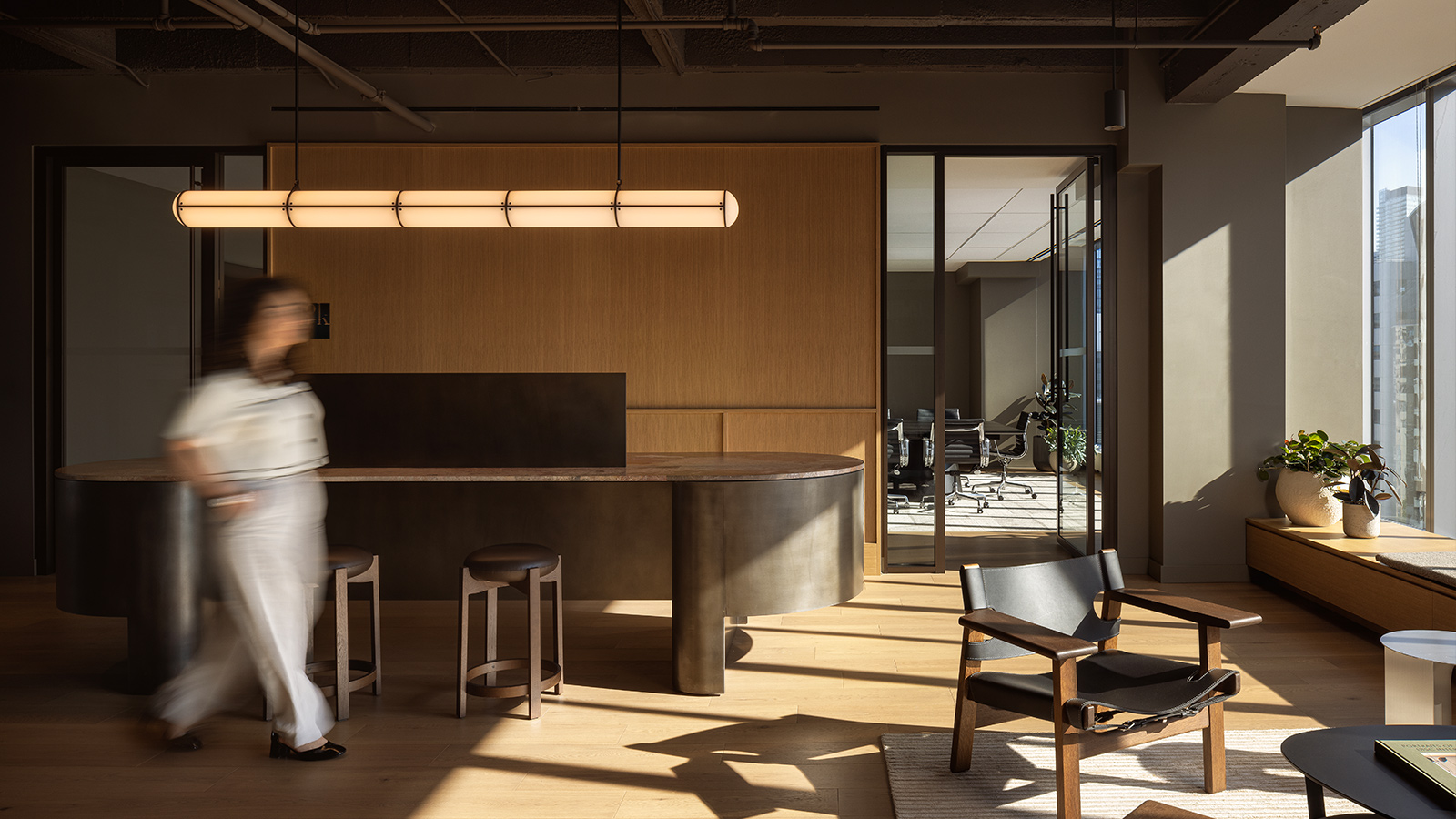
HOK's Toronto office transformation exemplifies sustainable design by repurposing existing structures and furniture, significantly reducing waste and costs. This strategic move not only underscores HOK’s commitment to sustainability but also serves as a model for future projects in the architecture and construction industries.
What Happened
In a bold move to demonstrate its dedication to sustainability, HOK's Toronto studio has transformed its 11th-floor office space on University Avenue by reusing the existing floorplan and furniture from its previous setup. The studio, led by Kristina Kamenar, Director of Design, Interiors, has managed to save approximately 120,000 kilograms of embodied CO₂ through this initiative. The office, previously occupied by a tech company, retains much of its original spatial configuration but has undergone a complete aesthetic revamp. The project also capitalized on major cost savings by integrating "80 to 85 percent" of the furniture from HOK's former Toronto office, which was located in a neighboring building. Even though some challenges arose, such as the closure of Inscape Furniture, which manufactured the original workstations, the team innovatively filled gaps with greenery and planters.
What This Means for Your Business
For businesses in the architecture, engineering, construction, and manufacturing industries, HOK's project highlights the financial and environmental benefits of integrating reuse strategies into office redesigns. The approach not only reduces materials' carbon footprint but also cuts down on renovation costs, providing a compelling case for sustainable practices in corporate refurbishments. Companies can leverage these strategies to align with increasing regulatory pressures around sustainability and to enhance their competitive positioning in the market. Furthermore, the integration of communal and neuro-inclusive workspaces can improve employee satisfaction and productivity, offering an attractive return on investment.
What US Operators Should Watch
As sustainability standards become more stringent, US operators should keep an eye on upcoming regulations and initiatives that encourage or mandate the reuse of materials. The success of HOK's project could prompt further industry-wide adoption of similar practices, potentially influencing future compliance requirements and procurement processes. Businesses should also monitor federal funding opportunities aimed at promoting sustainable building practices, which could provide financial support for projects that prioritize reuse and reduce carbon emissions.
---
Source: https://www.azuremagazine.com/article/hok-toronto-office-reuse/. Read the original story ->
Is your firm ready for what’s next?
VisioneerIT helps AECM and government contractors modernize operations, achieve compliance, and implement AI.
Explore VisioneerIT Solutions →