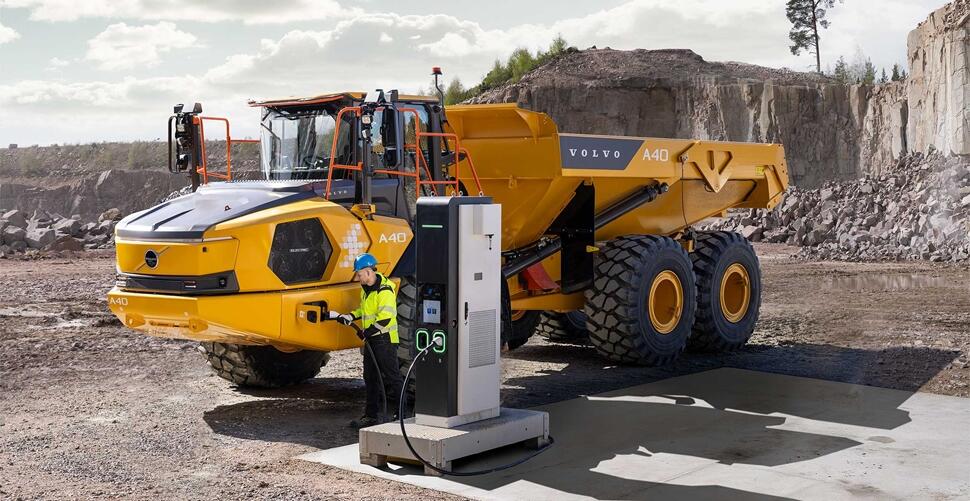
Volvo Construction Equipment and Hitachi Energy have signed a Memorandum of Understanding to advance zero-emission construction sites, underscoring the growing imperative to address environmental impacts in the construction industry.
What Happened
Volvo Construction Equipment and Hitachi Energy are joining forces to promote zero-emission construction sites through a Memorandum of Understanding (MoU) signed on May 26, 2029. This collaboration focuses on integrating electric machinery, clean power supplies, energy management, and system integration to reduce emissions from construction activities. The initiative will explore technical and commercial concepts, emphasizing a plug-and-play approach to simplify the transition towards sustainable construction practices. The partnership also aims to enhance connected machines and digital integration, addressing the demands of consumers, investors, and regulators for reduced emissions from the approval and planning stages of construction projects.
Why It Matters for the AECM Industry
The partnership between Volvo and Hitachi represents a significant step in transforming the construction industry's environmental footprint. For project managers, engineers, and contractors, the shift towards zero-emission sites can lead to substantial cost savings in fuel and operational efficiencies over time. Moreover, adopting electric machinery and clean energy solutions can mitigate the risk of regulatory penalties associated with carbon emissions, aligning with increasing environmental regulations worldwide. As sustainability becomes a competitive differentiator, firms that embrace these technologies early can position themselves as leaders in the industry, potentially securing more projects and attracting environmentally conscious clients.
What's Next
The collaboration will focus on developing and assessing manufacturing and business models that support zero-emission construction sites. Industry professionals should monitor upcoming milestones related to the deployment of electric machinery and system integration solutions. Additionally, ongoing discussions about establishing industry standards for electric machinery will be crucial, as they could influence equipment specifications and procurement strategies. As the partnership progresses, insights into system-level integration and execution strategies will be vital for stakeholders aiming to adopt similar sustainable practices.
Is your firm ready for what’s next?
VisioneerIT helps AECM and government contractors modernize operations, achieve compliance, and implement AI.
Explore VisioneerIT Solutions →