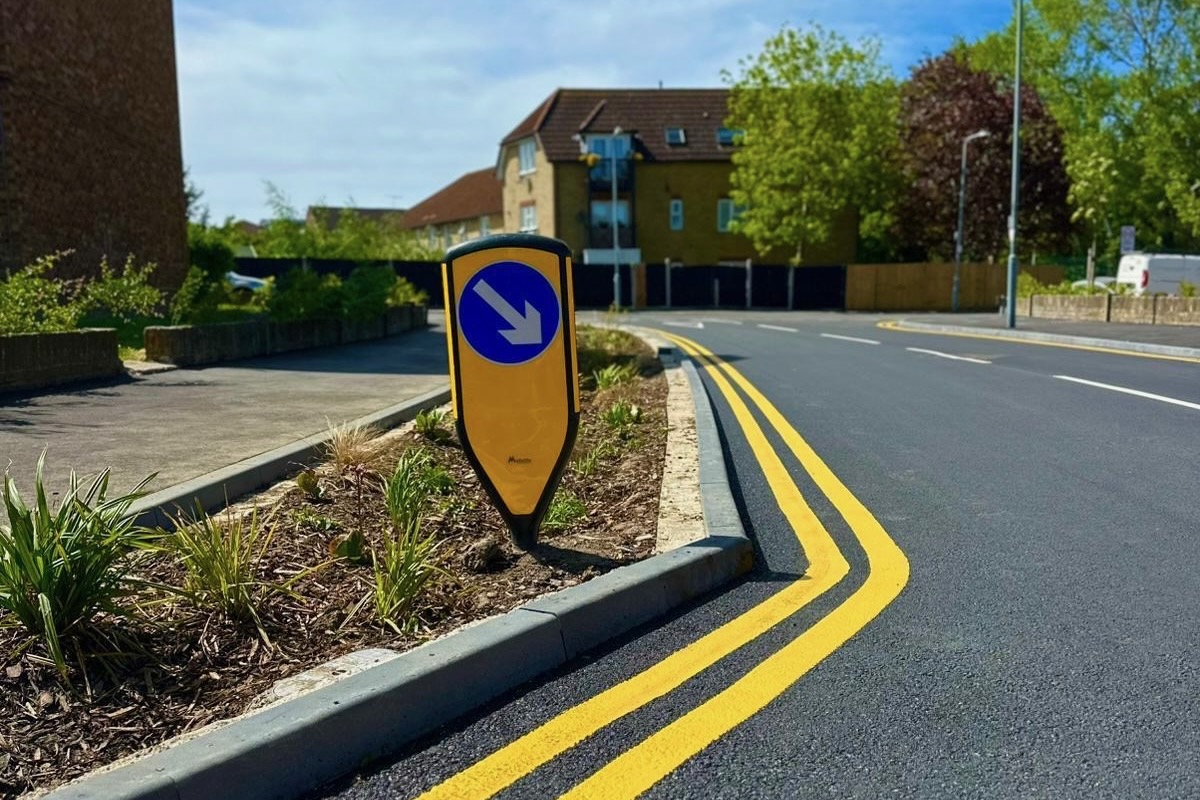
Heidelberg Materials UK and Kenson Highways have successfully delivered a groundbreaking low-carbon residential road project in the London Borough of Redbridge. Utilizing Heidelberg's innovative evoZero cement and other sustainable materials, this project marks a significant step forward in reducing the carbon footprint of urban infrastructure.
What Happened
The collaboration between Heidelberg Materials UK and Kenson Highways resulted in the construction of a lower carbon road in Redbridge, utilizing evoZero cement, which is manufactured in Brevik, Norway with carbon capture technology. This approach allows Heidelberg to allocate carbon savings to specific projects without the need to transport materials globally, thereby avoiding new emissions. The project included the use of 275 tonnes of binder course material with 25% reclaimed asphalt and 6.5% ACLA, a negative carbon product, at the client's request. Additionally, the asphalt surface course, totaling 248 tonnes, incorporated Heidelberg's CarbonLock bio-binder and was produced using the Era 140 warm mix process. This process not only saves fuel by reducing production temperatures by up to 40ºC but also locks in CO₂, providing a 25% reduction in emissions compared to standard hot mix asphalt.
Why It Matters for the AECM Industry
This project demonstrates a viable pathway for the construction industry to significantly reduce its carbon emissions. For professionals in the AECM sector, this case study highlights the potential of integrating carbon capture technology and innovative materials like evoZero cement and CarbonLock bio-binders. These advancements not only contribute to sustainability goals but also offer economic benefits through reduced fuel consumption and improved working conditions. The project also underscores the importance of supply chain collaboration in achieving carbon reduction targets, setting a precedent for future infrastructure projects.
What's Next
With the success of the Redbridge project, Heidelberg Materials plans to expand its carbon capture initiatives, including the addition of carbon capture storage at its Padeswood plant in Wales. The industry can expect further developments in sustainable construction materials and processes, as companies like Heidelberg continue to innovate. Professionals should watch for updates on policy changes and technological advancements that support low-carbon construction solutions.
---
Source: [The Construction Index].
Is your firm ready for what’s next?
VisioneerIT helps AECM and government contractors modernize operations, achieve compliance, and implement AI.
Explore VisioneerIT Solutions →