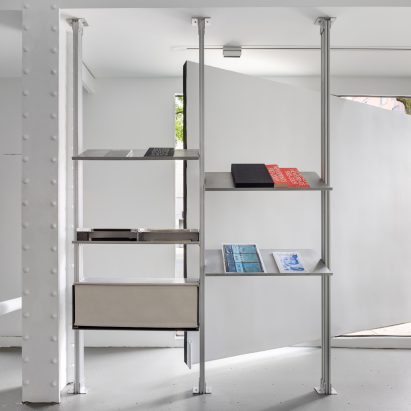
GRT Architects has unveiled its latest project: a comprehensive renovation of the Storefront for Art and Architecture in New York City. This transformation includes the installation of modular shelving and the addition of a doorknob on the facade for the first time, reflecting a blend of functionality and modern design.
What Happened
GRT Architects, a New York-based studio, undertook an extensive update of the Storefront for Art and Architecture, a gallery known for its unique triangular space. The renovation involved the installation of custom, removable shelving units, enhancing both the functionality and aesthetic appeal of the space. Additionally, the project included modernizing the electrical and HVAC systems, ensuring the gallery meets contemporary standards in energy efficiency and comfort. The introduction of a doorknob to the facade marks a significant shift in the gallery's accessibility and design.
What This Means for Your Business
For professionals in the architecture, engineering, and construction management (AECM) sectors, this project highlights the importance of integrating modular design solutions that offer flexibility and adaptability. The use of removable shelving units allows for dynamic space utilization, catering to evolving exhibition needs. This approach not only optimizes space but also potentially reduces costs associated with future modifications. Furthermore, the emphasis on updating infrastructure such as electrical and HVAC systems underscores the necessity of aligning with current sustainability standards, which can lead to improved energy efficiency and reduced operational costs over time.
What US Operators Should Watch
Operators should monitor trends in modular design and sustainable infrastructure updates. As federal and state regulations increasingly favor energy-efficient solutions, staying ahead in adopting such measures can provide a competitive edge. Additionally, the growing demand for flexible architectural solutions could open new procurement opportunities in the public and private sectors. Keeping an eye on such projects and their outcomes can inform strategic decisions in upcoming bids and partnerships.
Is your firm ready for what’s next?
VisioneerIT helps AECM and government contractors modernize operations, achieve compliance, and implement AI.
Explore VisioneerIT Solutions →