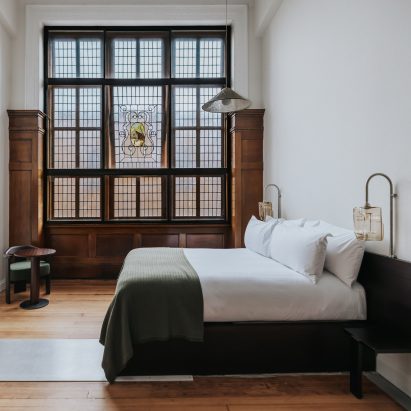
Interior architecture studio A-nrd has breathed new life into a historic Glasgow townhouse, transforming it into a hotel that pays homage to the city's industrial roots. The project, spearheaded by Alessio Nardi and Lukas Persakovas, underscores the significance of integrating cultural heritage into modern architectural design, an approach increasingly relevant for AECM professionals navigating historic preservation regulations and community expectations.
What Happened
A-nrd, a prominent interior architecture firm, has completed the transformation of a 19th-century townhouse in Glasgow into the Arthouse Glasgow Hotel. The building, originally converted into a hotel in 1999, has been reimagined with a focus on raw and honest materials that reflect Glasgow's industrial past. This renovation was commissioned by British hospitality brand Oberland, who sought to create a space that not only serves its guests but also resonates with the local community and its cultural history. The design team employed materials and design elements that evoke the city's storied industrial era, ensuring the hotel feels like an organic part of its urban environment.
What This Means for Your Business
For AECM professionals, this project exemplifies the growing trend of integrating local heritage and sustainability into new developments. Companies involved in renovation and restoration can glean insights into how thoughtful design can enhance a building's value and appeal by resonating with the local culture. This approach is not only a nod to sustainability by preserving existing structures but also aligns with increasing consumer and regulatory demands for authentic and culturally respectful developments. As urban areas seek to preserve their identities amidst rapid modernization, firms that prioritize cultural integration may find competitive advantages in securing contracts and community support.
What US Operators Should Watch
US operators should monitor the evolving landscape of heritage preservation regulations and sustainability standards, particularly as cities emphasize the importance of maintaining cultural identity. Additionally, the trend towards using local materials and honoring historical contexts in architectural projects could influence future procurement strategies and compliance requirements. Staying abreast of these developments will be crucial for securing federal and local contracts, especially in regions with rich historical backgrounds.
Source: Dezeen. Read the original story ->
Is your firm ready for what’s next?
VisioneerIT helps AECM and government contractors modernize operations, achieve compliance, and implement AI.
Explore VisioneerIT Solutions →