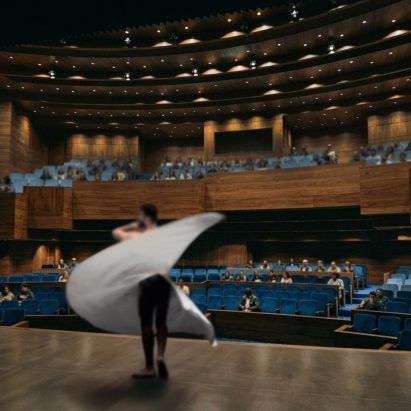
A new theatre at George Washington University is redefining how performance spaces can enhance artistic expression by mirroring the physical and emotional arcs of performances. This innovative approach is part of a broader initiative by the university to incorporate dynamic architectural design into educational environments.
What Happened
The recent unveiling of a performing arts theatre at George Washington University marks a significant development in architectural design for educational institutions. This theatre is specifically designed to reflect the emotional and physical journey of a performance, offering a unique and immersive experience for both performers and audiences. The project is part of a series of recent architectural endeavors by the university, which also includes a communal housing project for families and a therapeutic hair salon for African American women. By integrating these varied projects, George Washington University is not only enhancing its campus facilities but also setting a precedent for how architecture can be used to support diverse community needs and cultural expressions.
What This Means for Your Business
For professionals in the architecture, engineering, and construction management (AECM) industries, this project underscores the growing importance of designing spaces that are not only functional but also emotionally engaging. The theatre's design could inspire new approaches in the development of performance spaces, potentially influencing future projects in both educational and commercial sectors. Moreover, this trend towards emotionally resonant architecture presents opportunities for AECM firms to differentiate themselves by offering innovative design solutions that cater to the experiential needs of users. For those involved in government contracting, projects like this could align with federal initiatives aimed at improving public infrastructure and educational facilities, potentially unlocking new funding streams and contract opportunities.
What US Operators Should Watch
AECM professionals should pay attention to emerging trends in emotionally responsive architecture, as these concepts could become increasingly relevant in upcoming federal and educational projects. Keeping an eye on procurement windows and funding opportunities related to educational infrastructure will be crucial. Additionally, as universities and public institutions look to enhance their facilities, staying informed about new design standards and compliance requirements will be key to remaining competitive in the bidding process.
Source: Dezeen. Read the original story ->
Is your firm ready for what’s next?
VisioneerIT helps AECM and government contractors modernize operations, achieve compliance, and implement AI.
Explore VisioneerIT Solutions →