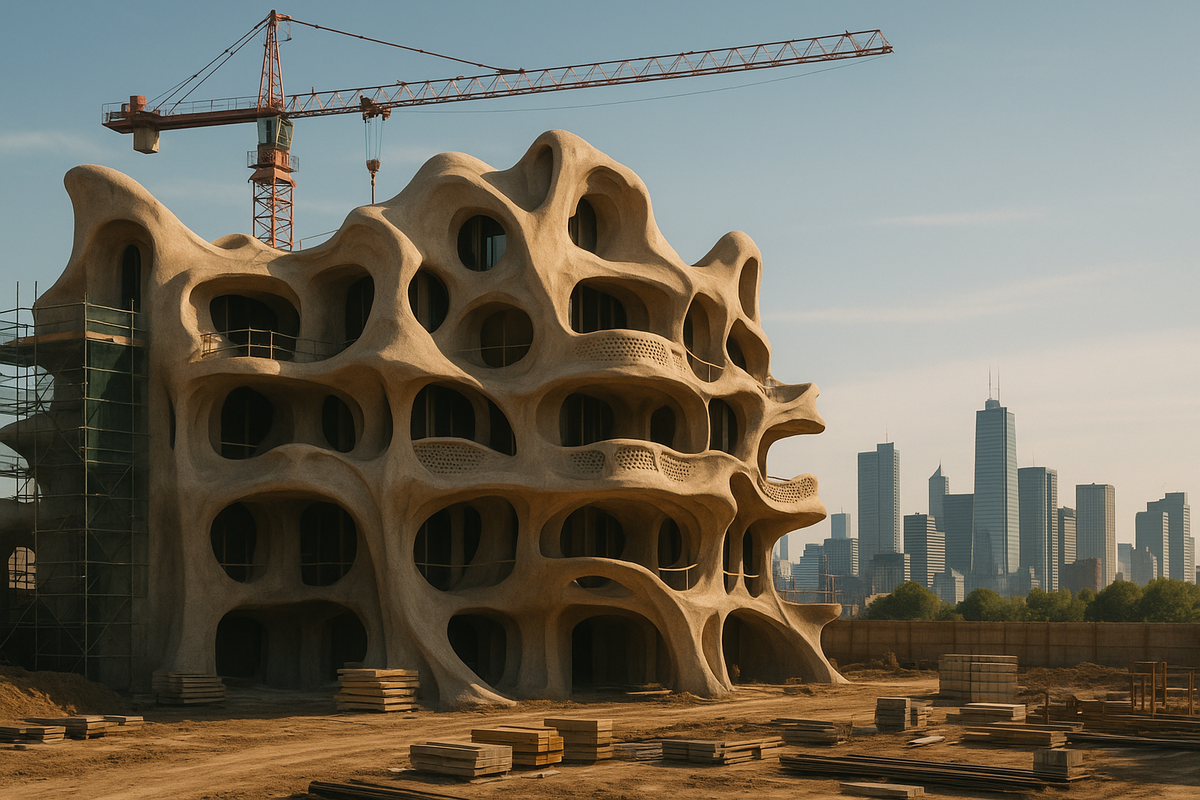
Few architects have achieved more public recognition than Antoni Gaudí, yet his influence on global architecture remains surprisingly limited. As the centenary of Gaudí's death approaches, industry experts and historians revisit his contributions and attempt to unravel why his fantastical designs did not spark a broader architectural revolution.
What Happened
Antoni Gaudí, renowned for his distinctive and imaginative architectural style, left an indelible mark on Barcelona with masterpieces like the Sagrada Família and Park Güell. Despite his iconic status and the widespread admiration for his work, Gaudí's influence didn't proliferate globally as one might expect. During his lifetime, Gaudí's unique approach, characterized by organic forms and vibrant mosaics, was often seen as too radical and localized to Catalonia. This regional focus, compounded by the political climate of early 20th-century Spain and the subsequent Spanish Civil War, limited the dissemination of his ideas beyond the country's borders.
In the broader context of architectural history, Gaudí's work was overshadowed by the rise of modernism, which favored functionalism and minimalism over the ornate and whimsical. Architects like Le Corbusier and Mies van der Rohe, who championed these modernist principles, gained prominence on the global stage, further eclipsing Gaudí's potential international influence.
What This Means for Your Business
For AECM professionals, Gaudí's story is a reminder of the importance of aligning design with broader architectural trends and market demands. While Gaudí's work remains a testament to creativity and innovation, its limited global reach underscores the need for adaptability and awareness of prevailing industry currents. Firms should consider how to balance innovative design with elements that resonate with contemporary architectural movements and client expectations.
Furthermore, Gaudí's legacy highlights the potential for regional styles to gain international recognition, provided they are adaptable and align with global trends. Companies in the AECM sector might explore how to leverage unique regional influences while ensuring they meet international standards and appeal to diverse markets.
What US Operators Should Watch
As the architectural community reflects on Gaudí's legacy, there may be renewed interest in incorporating elements of his style into modern projects, particularly those emphasizing sustainability and biophilic design. US operators should monitor emerging trends that integrate organic forms and natural materials, inspired by Gaudí's work, within the context of contemporary sustainability practices.
Additionally, upcoming architectural exhibitions and centennial events celebrating Gaudí could provide valuable insights into how his style is being reinterpreted today. Engaging with these events might offer opportunities for collaboration and innovation within the AECM industry.
Source: https://www.dezeen.com/2026/06/17/gaudi-centenary-impact/. Read the original story ->
Is your firm ready for what’s next?
VisioneerIT helps AECM and government contractors modernize operations, achieve compliance, and implement AI.
Explore VisioneerIT Solutions →