One hundred years after his death, Antoni Gaudí continues to captivate the architectural world. As industry leaders reflect on his revolutionary designs, the conversation turns to how his work influences modern architecture and construction practices.
What Happened
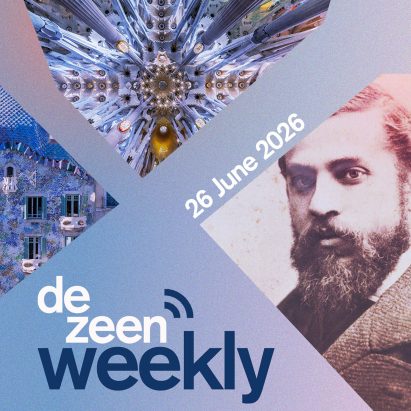
Antoni Gaudí, the celebrated Catalan architect, passed away in June 1926, leaving behind a legacy that still resonates today. Known for his distinctive style that blurred the lines between structural innovation and artistic expression, Gaudí's works, such as the Sagrada Família and Park Güell in Barcelona, remain iconic. His approach combined natural forms with advanced engineering, setting a precedent that continues to inspire architects worldwide.
This centenary marks a significant moment for the architectural community, prompting discussions on Gaudí's enduring influence. Dezeen's latest podcast episode delves into these themes, exploring the admiration for Gaudí's work and questioning whether his architectural philosophy holds lessons for today's design challenges.
What This Means for Your Business
Gaudí's integration of nature and structure offers valuable insights for today's AECM professionals, particularly in sustainable design and innovative construction methods. His emphasis on organic forms and material efficiency aligns with current trends in sustainable architecture, where reducing environmental impact is paramount.
For businesses in the architecture and construction sectors, Gaudí's legacy underscores the importance of innovation and creativity in achieving competitive differentiation. His work demonstrates the potential for combining aesthetics with functionality to create structures that are not only visually stunning but also technically advanced.
Furthermore, Gaudí's approach can inform compliance strategies, especially in regions where architectural heritage and sustainability intersect with regulatory frameworks. Understanding his methodologies could aid in meeting both aesthetic and environmental standards, thus enhancing project approval processes and client satisfaction.
What US Operators Should Watch
As the architectural community continues to celebrate Gaudí's contributions, US operators should consider how his principles can be applied to contemporary projects. Key areas of focus include:
- Embracing sustainable materials and construction techniques inspired by Gaudí's naturalistic style.
- Exploring innovative design solutions that balance form and function, potentially opening new markets or revitalizing existing portfolios.
- Keeping abreast of evolving compliance requirements related to sustainable and heritage architecture, ensuring projects align with both current regulations and future trends.
By examining Gaudí's legacy, AECM professionals can gain insights into timeless design principles that remain relevant in today's rapidly changing industry landscape.
Source: https://www.dezeen.com/2026/06/26/gaudi-dezeen-weekly-podcast/. Read the original story ->
Is your firm ready for what’s next?
VisioneerIT helps AECM and government contractors modernize operations, achieve compliance, and implement AI.
Explore VisioneerIT Solutions →