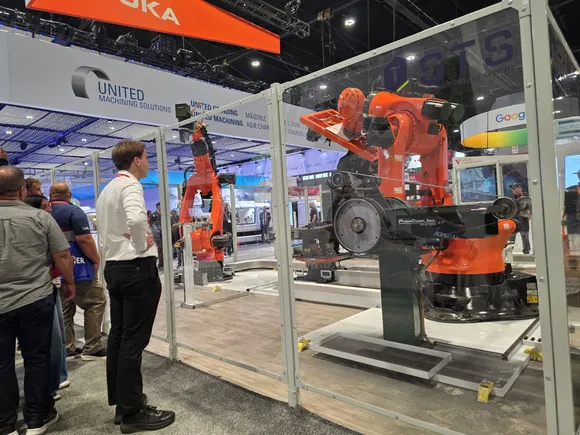
Manufacturers are increasingly turning to automation and artificial intelligence to enhance productivity and efficiency. However, experts caution that without a strategic approach, these technologies may not deliver their promised benefits. Sven Diedrich of Pinaxis highlighted the importance of aligning people, processes, data, and systems—dubbed the 'four pillars' of automation—during the International Manufacturing Technology Show in Chicago.
What Happened
Diedrich's presentation at the IMTS emphasized that while the allure of cutting-edge technology like robotics and AI is strong, manufacturers must first ensure that their foundational elements are in place. He stressed that automation should not be pursued in isolation but as part of an integrated strategy that connects various components of an organization. For instance, a company might invest heavily in robotics for increased throughput or software for enhanced visibility, yet still fall short if these technologies are not cohesively integrated with existing processes and data systems.
Diedrich warned against the common pitfall where companies, eager to implement new technologies, overlook the critical assessment of their internal capabilities. He presented a scenario where departments propose an automated solution to address capacity issues, only to find that their data infrastructure and processes are inadequate. Such situations lead to suboptimal outcomes despite significant investments.
What This Means for Your Business
For businesses in the architecture, engineering, construction, and manufacturing (AECM) sectors, the insights shared by Diedrich have direct implications for procurement and compliance. Before pursuing automation, companies must conduct thorough evaluations of their current systems. This includes assessing whether their workforce possesses the necessary skills and whether their data infrastructure can support new technologies. Aligning these elements can prevent costly missteps and enhance return on investment.
Furthermore, as compliance with frameworks like the Cybersecurity Maturity Model Certification (CMMC) becomes increasingly important, ensuring that all automation processes adhere to regulatory standards is critical. Businesses must also consider the potential costs associated with retraining staff and upgrading systems to support new technologies.
What US Operators Should Watch
Manufacturers should keep an eye on the evolving landscape of automation technologies and regulatory requirements. Key dates for compliance with standards like CMMC should be closely monitored to ensure timely adherence. Additionally, procurement windows for federal funding opportunities related to automation and digital transformation initiatives may offer significant advantages for companies prepared to act.
As the industry moves forward, decision-makers must remain vigilant about integrating new technologies in a manner that leverages existing strengths and addresses potential weaknesses. This strategic foresight will be essential in maintaining competitive positioning in a rapidly advancing technological environment.
Source: https://www.supplychaindive.com/news/these-4-pillars-are-critical-for-successful-automation/831500/. Read the original story ->
Partner Insight · VisioneerIT
The integration of automation technologies is crucial for manufacturers aiming to enhance productivity and efficiency. VisioneerIT can assist in modernizing legacy systems to support these advancements effectively.
Explore VisioneerIT Cybersecurity →
Is your firm ready for what’s next?
VisioneerIT helps AECM and government contractors modernize operations, achieve compliance, and implement AI.
Explore VisioneerIT Solutions →