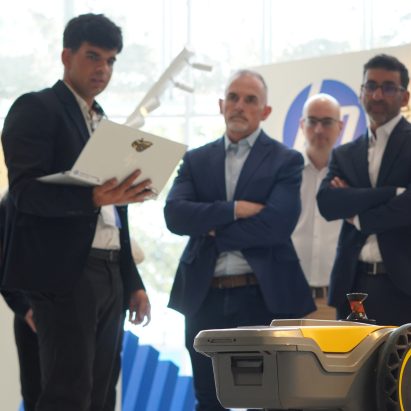
Architectural projects are facing significant delays due to enormous digital file sizes, a topic of concern highlighted in a recent panel discussion hosted by HP at the UIA World Congress of Architects 2026 in Barcelona. The issue has become so pervasive that some design files now take up to two hours to load, causing frustration and inefficiencies in project timelines.
What Happened
At the UIA World Congress of Architects in Barcelona, industry experts gathered to discuss the growing challenge of managing large digital files in architectural projects. HP's senior vice president spearheaded the dialogue, emphasizing how the burgeoning file sizes are akin to a "runaway train" causing project delays and complicating collaboration among teams. The discussion pinpointed how these massive files, which can take hours to load, are leading to mix-ups and miscommunications, ultimately impacting project delivery schedules.
What This Means for Your Business
For architecture firms and contractors, these delays could translate into increased project costs and strained client relationships. As digital designs grow in complexity, the need for more robust IT infrastructure becomes critical. Companies may need to invest in advanced computing solutions and cloud storage to manage these large files efficiently. Furthermore, the delays caused by these file issues could affect contract performance, necessitating more agile project management strategies and potentially impacting ROI for stakeholders.
What US Operators Should Watch
Operators must stay informed about emerging technologies that can mitigate these challenges. Investing in scalable IT solutions and staying abreast of software updates from major providers like HP could offer a competitive edge. Moreover, firms should monitor developments in data management standards and collaborative tools, which can help streamline project workflows and reduce loading times for large files. Keeping an eye on industry forums and future events like the UIA Congress could provide valuable insights into best practices and technological advancements.
Source: Dezeen. Read the original story ->
Is your firm ready for what’s next?
VisioneerIT helps AECM and government contractors modernize operations, achieve compliance, and implement AI.
Explore VisioneerIT Solutions →