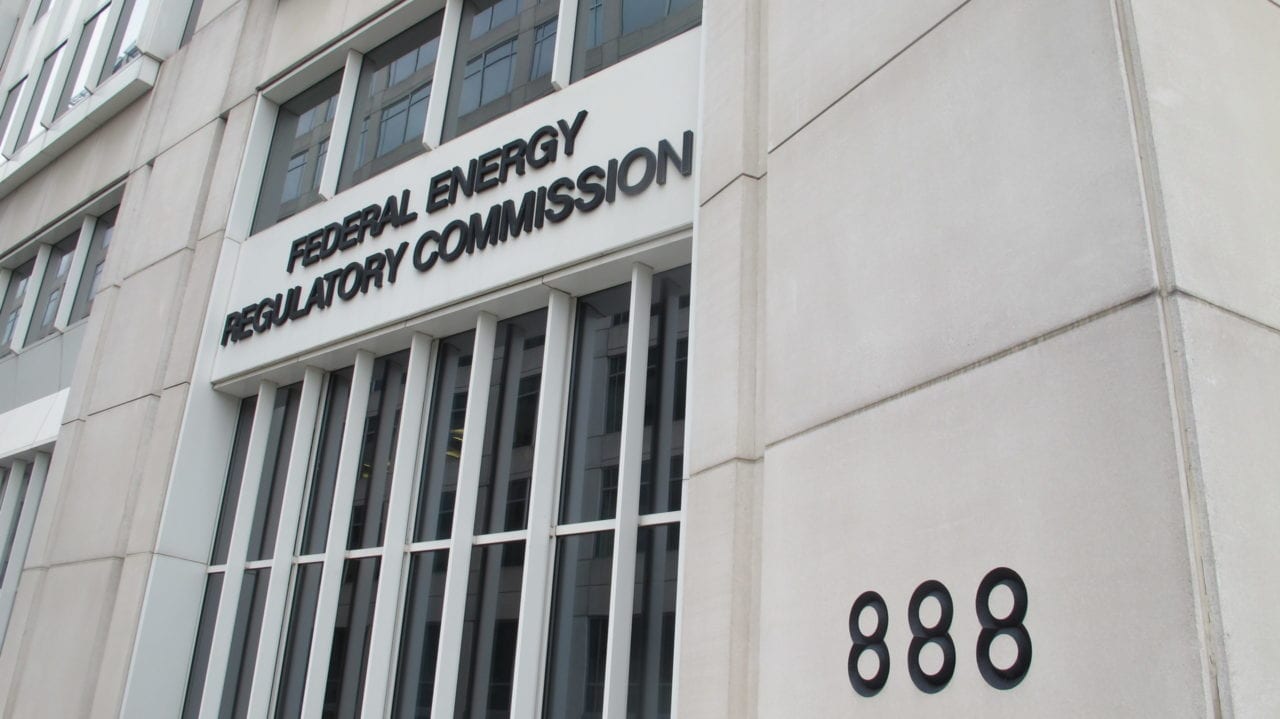
The Federal Energy Regulatory Commission (FERC) has issued a directive to six regional grid operators, mandating a reassessment of tariffs that impact large energy consumers such as data centers and manufacturing facilities. This move underscores the increasing demand for electricity and aims to ensure that these large users can efficiently access the transmission system.
What Happened
FERC's unanimous decision on June 18 requires regional transmission organizations (RTOs) and independent system operators (ISOs) to justify or reform their tariff rules. This affects PJM Interconnection, the Midcontinent Independent System Operator (MISO), Southwest Power Pool (SPP), the California Independent System Operator (CAISO), ISO New England (ISO-NE), and the New York Independent System Operator (NYISO). These entities cover over 200 million Americans across more than 30 states and the District of Columbia. The commission's orders are a response to the unprecedented electricity demand driven by the rapid growth of data centers. FERC Chairman Laura V. Swett emphasized the need for a resilient grid that supports technological advancement and economic expansion.
FERC’s orders stem from more than 3,500 pages of comments from a Department of Energy’s October 2025 advance notice of proposed rulemaking. The orders address five reform categories: transmission service applications, cost transparency, co-location arrangements, new transmission services for flexible large loads, and study processes for generating facilities serving large loads.
What This Means for Your Business
For businesses in the AECM sector, these reforms could lead to significant changes in how large energy projects are planned and executed. Companies involved in constructing or operating data centers or large manufacturing sites should prepare for potential shifts in grid access costs and procedures. The push for transparency and fair cost allocation may open new opportunities for competitive pricing and technological solutions. Compliance with these new tariffs will be crucial, as RTOs and ISOs must respond within 60 days, with additional reports due within 30 days.
What US Operators Should Watch
Operators must track the upcoming 60-day deadline for RTOs and ISOs to respond to FERC's orders and the 30-day window for filing informational reports. Businesses should also watch for any requests for abeyance and subsequent stakeholder responses. Understanding the evolving landscape of tariffs and transmission services will be essential for strategic planning and ensuring compliance with future regulations.
Source: https://www.powermag.com/ferc-orders-all-six-regional-grid-operators-to-justify-or-rewrite-large-load-tariffs/. Read the original story ->
Is your firm ready for what’s next?
VisioneerIT helps AECM and government contractors modernize operations, achieve compliance, and implement AI.
Explore VisioneerIT Solutions →Tracking the right federal opportunities?
OryonIQ's AI platform monitors agency forecasts, contract awards, and procurement timelines — so government contractors always know what’s coming next.
Try OryonIQ Free →