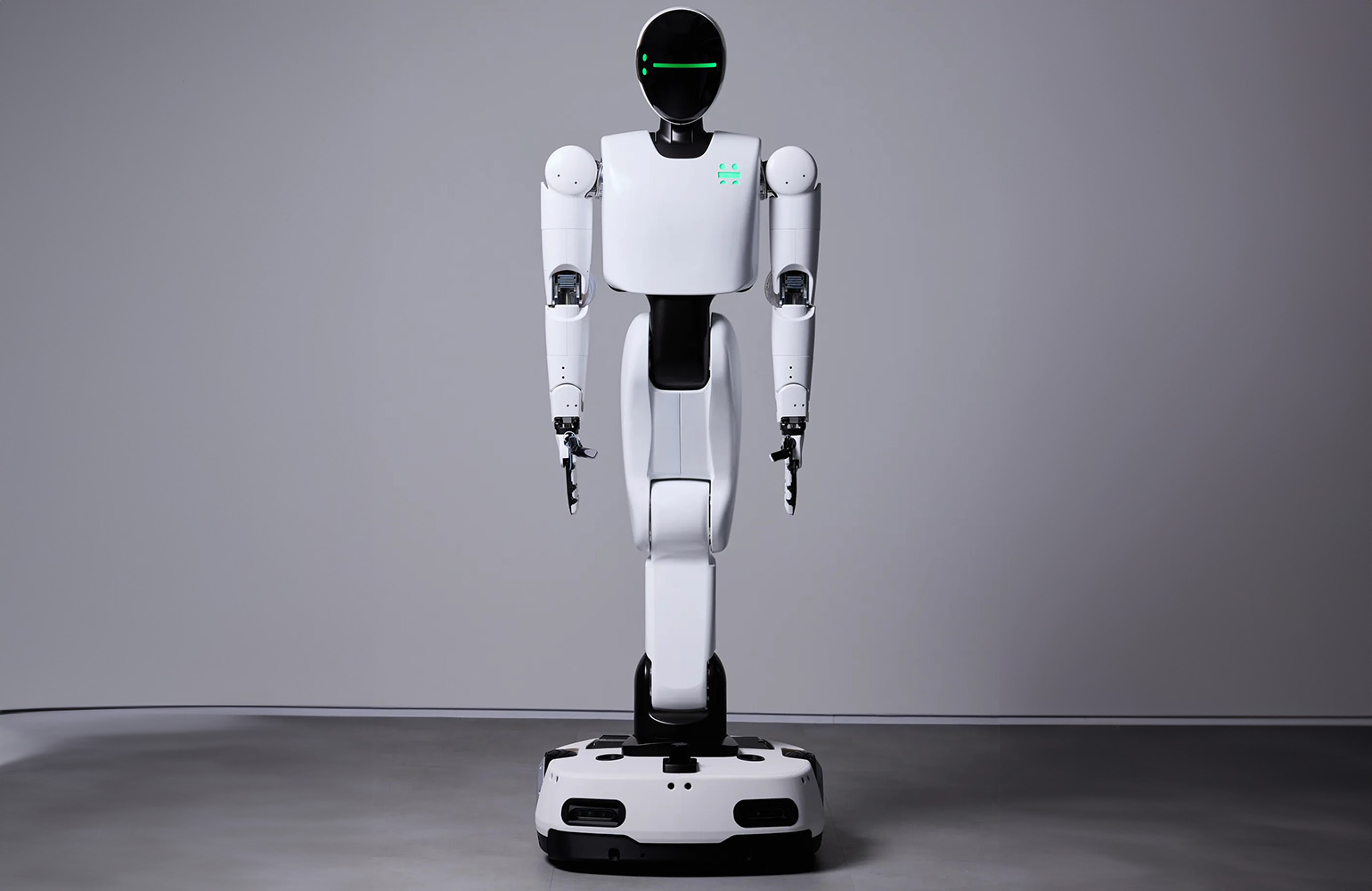
FANUC and Google are joining forces to push the boundaries of Physical AI technologies, aiming to revolutionize industrial robotics and factory automation. This partnership is poised to transform AECM industries by enhancing operational efficiency and redefining automation standards.
What Happened
FANUC, a leading player in industrial robotics, announced a strategic collaboration with Google to develop advanced Physical AI technologies. This partnership seeks to integrate Google's AI capabilities with FANUC's robotics expertise to innovate factory automation processes. By leveraging Google's machine learning and AI strengths, FANUC aims to enhance the intelligence and adaptability of its robotic systems. This collaboration is set to drive significant advancements in automation, enabling more responsive and efficient manufacturing environments.
Why It Matters for the AECM Industry
The collaboration between FANUC and Google is set to have profound implications for the AECM industry. For manufacturers, this partnership promises to lower operational costs and increase productivity by introducing more sophisticated and adaptable robotic systems. Enhanced AI integration can lead to more precise and efficient manufacturing processes, reducing waste and improving product quality. For construction and engineering firms, the innovations could mean faster project timelines with more reliable automation solutions. The introduction of advanced AI-driven robotics could also mitigate labor shortages by performing complex tasks with greater precision and speed.
What's Next
As FANUC and Google continue to develop Physical AI technologies, industry professionals should anticipate a series of innovations in robotic automation. Key milestones to watch include the unveiling of new AI-driven robotic models and updates on integration capabilities within existing manufacturing systems. Industry stakeholders should also monitor how these advancements impact labor dynamics and operational efficiencies across sectors. As these technologies begin to permeate the market, professionals in the AECM fields will need to adapt to new workflows and leverage these advancements to maintain competitive advantages. The AI investment boom is reshaping the landscape, offering new opportunities for growth and innovation.
Source: Canadian Metalworking. Read the original story ->
Partner Insight · VisioneerIT
The collaboration between FANUC and Google highlights the importance of integrating advanced AI technologies in manufacturing. VisioneerIT specializes in software engineering and digital modernization, offering solutions that enhance automation and operational efficiency.
Explore VisioneerIT Cybersecurity →
Is your firm ready for what’s next?
VisioneerIT helps AECM and government contractors modernize operations, achieve compliance, and implement AI.
Explore VisioneerIT Solutions →