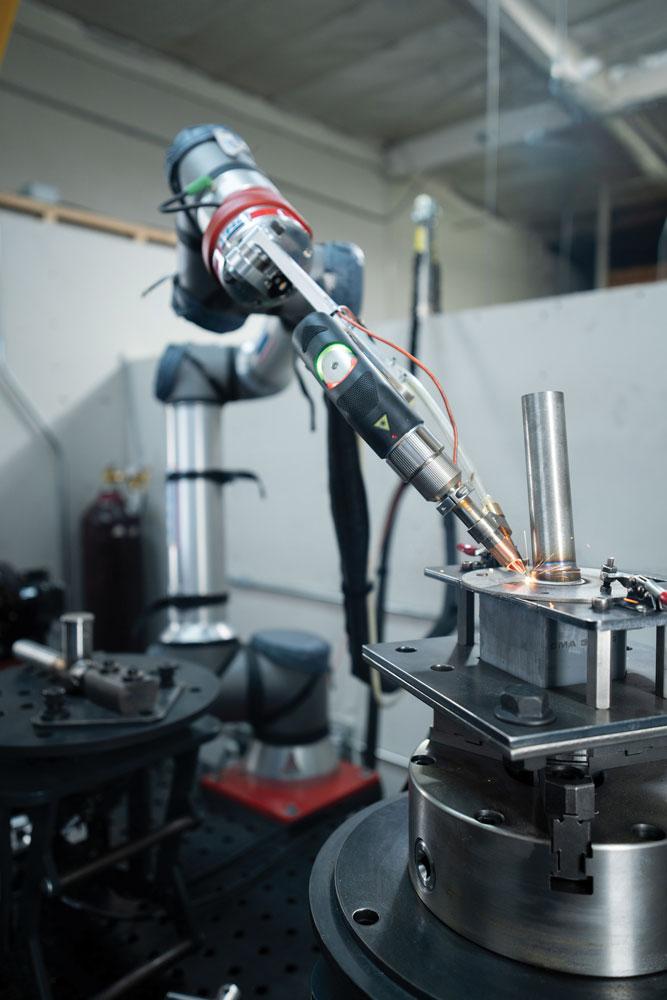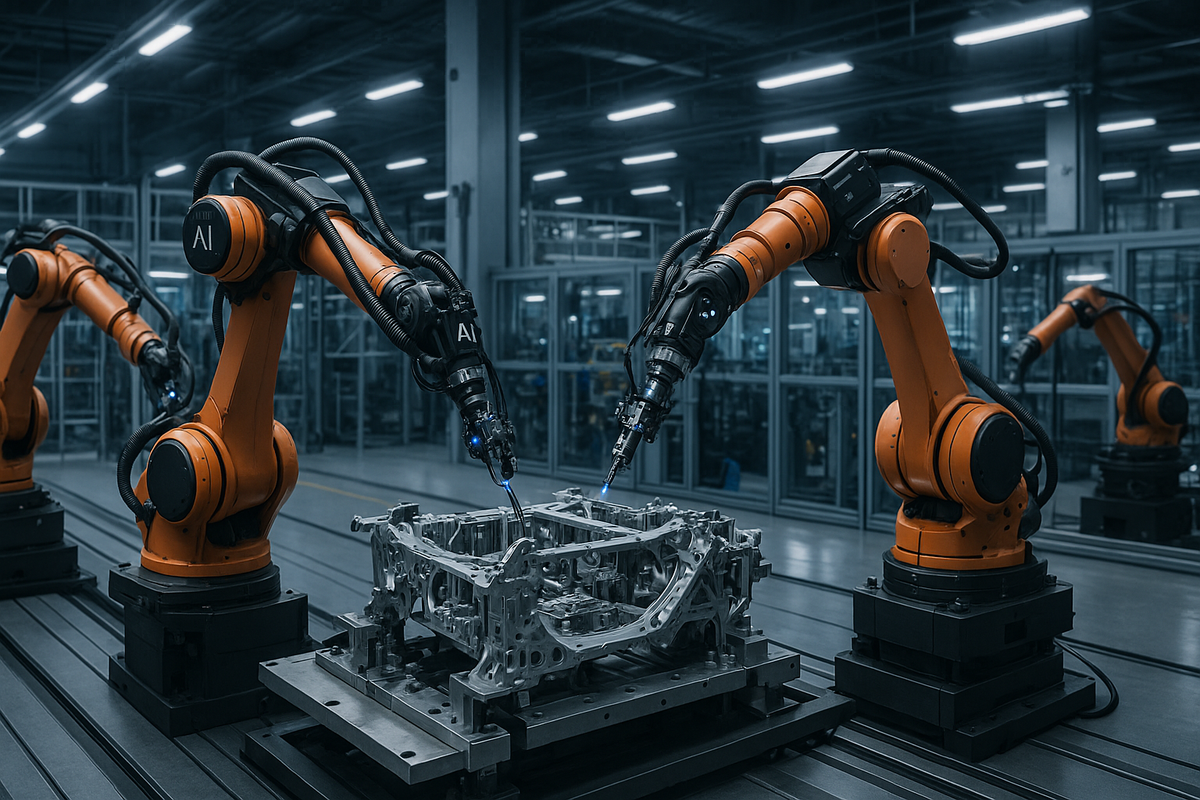
Fanuc and Google are spearheading a new wave of innovation in industrial robotics through strategic AI collaborations, promising to reshape manufacturing landscapes. These partnerships signal a significant shift towards smarter automation and enhanced operational efficiencies, vital for U.S. businesses aiming to maintain competitiveness in a swiftly evolving industry.
What Happened
Fanuc, a leading Japanese robotics company, has joined forces with Google to integrate advanced artificial intelligence into their industrial robotics systems. This collaboration aims to enhance the capabilities of robotic automation, leveraging Google's expertise in AI and machine learning. The partnership is set to improve the flexibility and efficiency of manufacturing processes by enabling robots to better learn from their environments and adapt to new tasks.
In parallel, Kawasaki is establishing a new center in Silicon Valley to bolster AI collaboration between the U.S. and Japan. This center will focus on physical AI, which involves the integration of AI technologies into physical systems, further expanding the potential applications of robotics in various industries. Meanwhile, Stellantis, a global automaker, is partnering with Accenture and Nvidia to develop digital twins, a technology that creates virtual replicas of physical systems for better analysis and optimization.
What This Means for Your Business
For AECM professionals, these developments offer a glimpse into the future of manufacturing where AI-driven robotics can significantly enhance productivity and reduce operational costs. The integration of AI into robotics not only promises more intelligent and adaptive systems but also opens new avenues for process optimization and innovation. Companies that invest in these technologies may find themselves at a competitive advantage, able to respond more swiftly to market demands and operational challenges.
Moreover, the focus on digital twins by companies like Stellantis highlights the growing importance of virtual modeling and simulation in the industry. This technology can lead to better design and construction processes, reducing errors and improving project outcomes. For businesses, staying ahead in AI and robotics could mean access to federal funding opportunities, given the government's in
Is your firm ready for what’s next?
VisioneerIT helps AECM and government contractors modernize operations, achieve compliance, and implement AI.
Explore VisioneerIT Solutions →