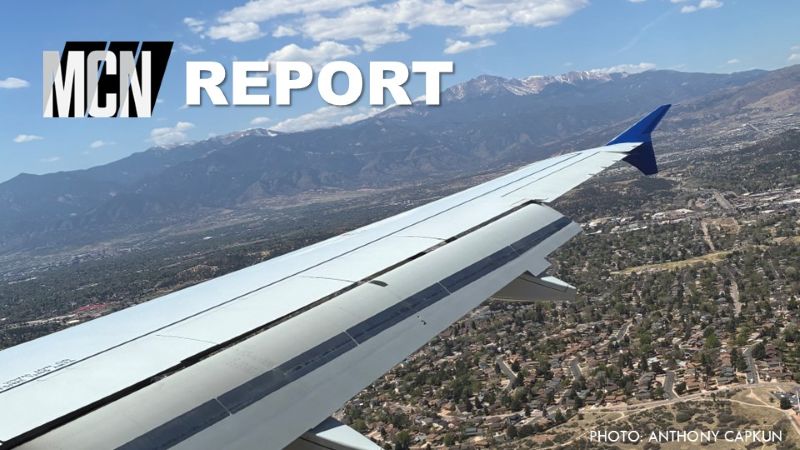
The recent Annual Conference of the Metal Building Contractors and Erectors Association (MBCEA) and the Spring Meeting of the Metal Building Manufacturers Association (MBMA) in Colorado Springs was a pivotal gathering for industry professionals. Key insights from economic forecasts and construction trends were shared, setting the stage for strategic planning amid economic uncertainty.
What Happened
The conference, held at the newly opened Hotel Polaris, brought together experts and stakeholders from the metal building sector. A highlight of the event was the keynote address by Anirban Basu from Sage Policy Group, who provided an engaging economic forecast. Basu highlighted the significant economic expansion from May 2020 through March 2026, noting record highs in the stock market alongside consumer unease due to rising costs. Key price increases included groceries up by 29.3% and energy by 74.4%. Despite these challenges, certain sectors, such as hyperscale data centers, continue to thrive due to aggressive investment in AI capabilities following the launch of OpenAI's ChatGPT. Basu emphasized the substantial private construction spending on electric power generation and distribution, partly driven by the Inflation Reduction Act and the energy demands of data centers. However, the construction labor market remains tight, with immigration policies not yet leading to a surge in job openings. Additionally, Basu pointed out demographic shifts, with states like Texas and Florida seeing an influx of new residents, which could drive regional demand for construction.
What This Means for Your Business
For AECM professionals, these insights signal critical considerations for future projects. The aggressive investment in data centers presents opportunities for firms specializing in related construction and energy projects. However, rising financing costs and material prices, exacerbated by tariffs on steel and aluminum, could impact project budgets and timelines. Staying informed about federal incentives, such as those from the Inflation Reduction Act, could provide avenues for cost mitigation and strategic investment in clean energy projects. Moreover, understanding regional demographic shifts can help firms align their business development efforts with emerging market demands.
What US Operators Should Watch
Key dates and policy changes should be closely monitored. The impact of the Inflation Reduction Act on clean energy investments is crucial, as it may open new funding opportunities. Firms should also track changes in immigration enforcement and its effects on the construction labor market. Additionally, keeping an eye on state-level population trends can offer insights into potential construction demand shifts. Staying ahead of these developments will be essential for maintaining competitive positioning in a rapidly evolving market.
---
Source: Metal Construction News. Read the original story ->
Is your firm ready for what’s next?
VisioneerIT helps AECM and government contractors modernize operations, achieve compliance, and implement AI.
Explore VisioneerIT Solutions →