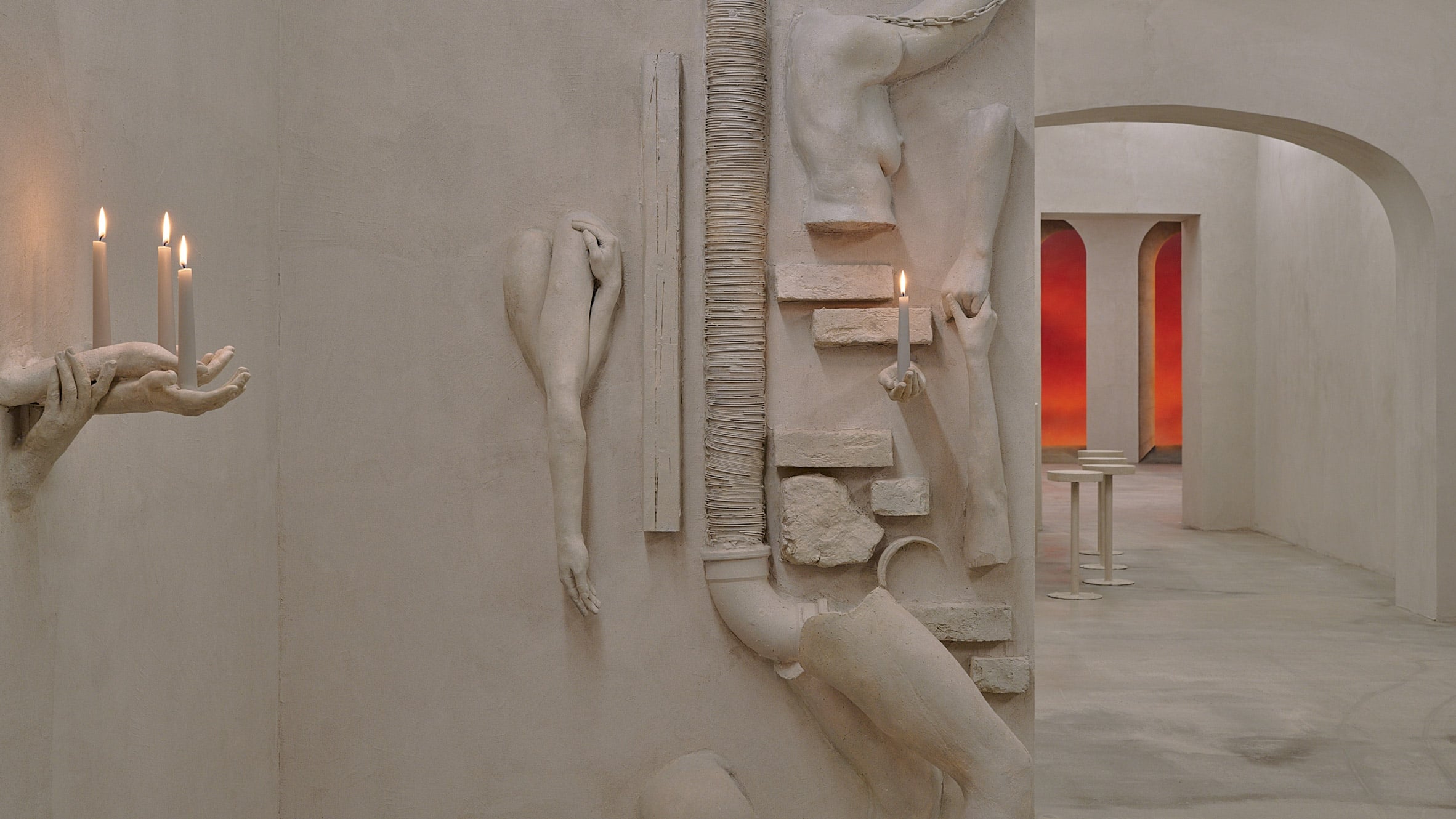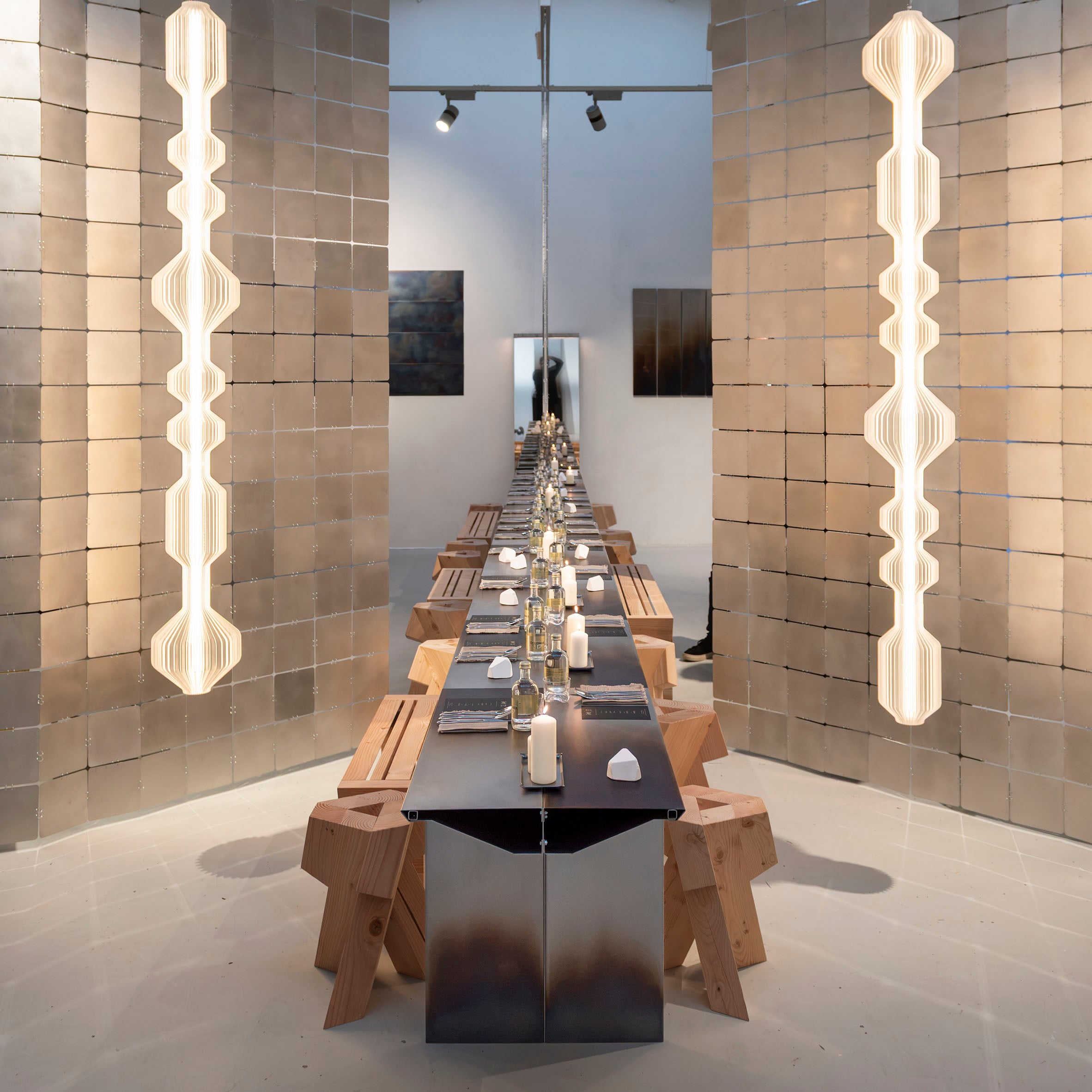
Show Not Show, a design collective, has brought a compelling blend of art and commentary to Dutch Design Week with their exhibition, "Table of Power." This collection of collectible furniture not only showcases exquisite design but also serves as a cultural critique of power structures. This initiative, launched in October 2026, is capturing the attention of architects and designers worldwide due to its innovative approach and thought-provoking themes.
What Happened
The exhibition "Table of Power" by Show Not Show at Dutch Design Week is a striking intersection of design and social commentary. By reinterpreting classic furniture pieces, the collective aims to critique and highlight the dynamics of power and influence in modern society. This installation offers a unique perspective by utilizing furniture as a medium to explore these themes, turning everyday objects into symbols of cultural and political discourse.
Dutch Design Week, held annually in Eindhoven, is a significant event for the design community, attracting thousands of visitors and exhibitors from around the globe. The inclusion of "Table of Power" as a featured exhibition underscores the trend of using design as a tool for social commentary, reflecting a growing movement within the architectural and design industries to engage with societal issues.
What This Means for Your Business
For AECM professionals, the "Table of Power" exhibition signals a shift towards integrating cultural and social narratives within design practices. This trend offers opportunities for firms to differentiate themselves by aligning their projects with broader societal themes, potentially appealing to a more socially conscious clientele.
Moreover, engaging with cultural critique through design can enhance a firm's brand reputation and market positioning. As clients increasingly seek out projects that reflect their values, incorporating socially aware design elements could lead to new business opportunities and partnerships.
What US Operators Should Watch
US operators should pay attention to the growing demand for designs that incorporate cultural and social critiques. Monitoring trends from events like Dutch Design Week can provide valuable insights into emerging consumer preferences and industry directions.
Additionally, staying informed about global design exhibitions and their themes can help US firms anticipate shifts in market demands and adjust their strategies accordingly. This awareness can be critical for maintaining competitive advantage and ensuring alignment with international design trends.
Source: https://www.dezeen.com/2026/10/25/collectible-furniture-dutch-design-week-table-of-power/
Is your firm ready for what’s next?
VisioneerIT helps AECM and government contractors modernize operations, achieve compliance, and implement AI.
Explore VisioneerIT Solutions →