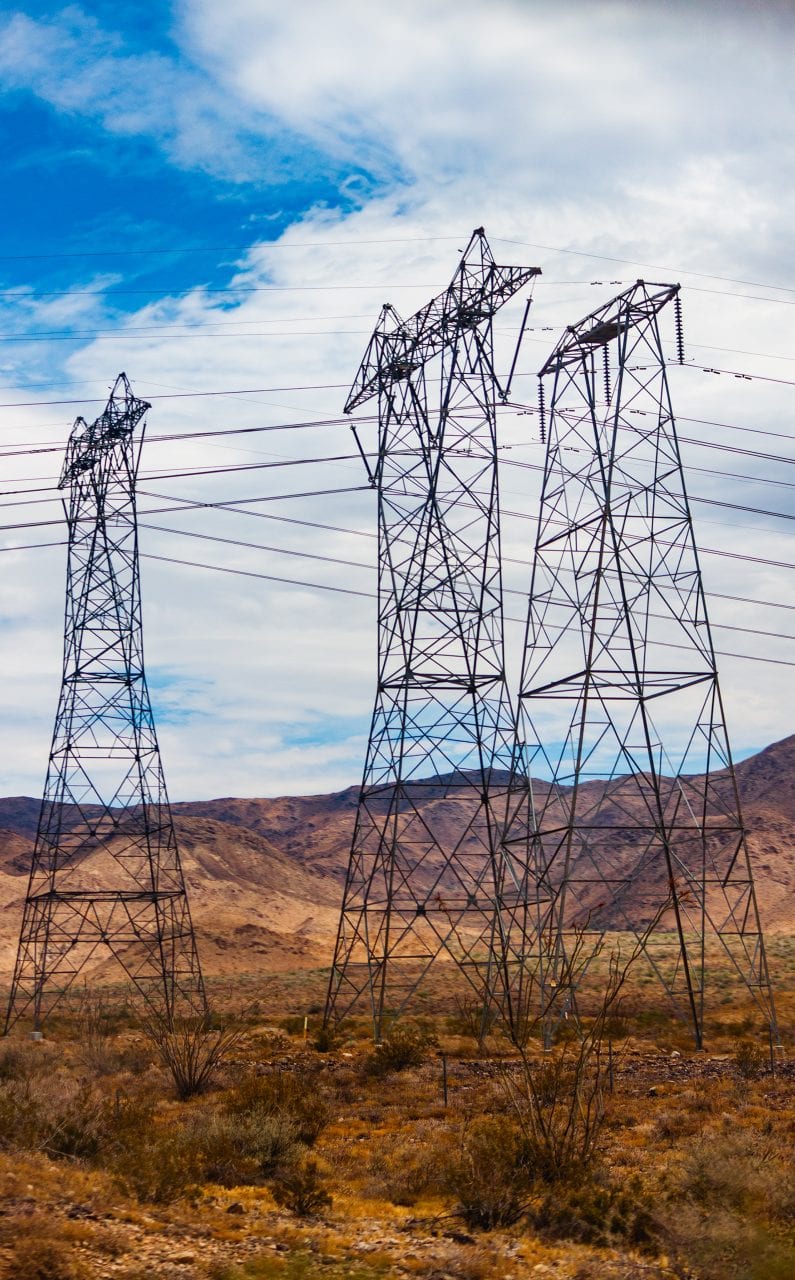
The U.S. Department of Energy has finalized a significant $3.26 billion loan to AEP Texas to support nearly 100 transmission projects across south and west Texas. This move represents a substantial federal investment in the region's energy infrastructure, aiming to bolster grid reliability and accommodate growing electricity demands.
What Happened
The loan, announced on July 8, 2025, will fund the reconstruction, reconductoring, and new construction of approximately 2,800 miles of transmission lines. AEP Texas, serving over 1 million customers in the deregulated retail market, emphasized the loan's role in fostering growth in one of the nation's fastest-expanding regions. The projects are expected to double the power-carrying capacity of the upgraded infrastructure, reduce power interruptions, and connect new sources of reliable baseload generation to the grid.
AEP Texas has signed letters of agreement supporting up to 41 GW of potential new load additions through 2030, reflecting the rapid growth in electricity demand from data centers, advanced manufacturing, and oil and natural gas activities in the Permian Basin. The DOE's Office of Energy Dominance Financing (EDF), the lender behind this initiative, is the rebranded successor to the DOE Loan Programs Office, with a focus on large energy projects.
What This Means for Your Business
For businesses in the architecture, engineering, construction, and manufacturing sectors, this loan signifies a robust opportunity for engagement in large-scale infrastructure projects. Companies involved in transmission line construction and technology can anticipate increased demand for their services. Additionally, the lower cost of capital from this federal loan is expected to benefit AEP Texas customers through reduced energy costs, which could translate to lower operational expenses for businesses in the region.
This federal backing underscores the importance of aligning business strategies with government-supported energy initiatives. Contractors and suppliers should consider the potential for federal funding opportunities and the competitive edge gained from participating in projects that enhance grid reliability and capacity.
What US Operators Should Watch
Industry professionals should track the timeline of these transmission projects, as well as any upcoming bids and procurement opportunities associated with the DOE's ongoing energy infrastructure initiatives. The EDF's authority, with more than $250 billion in available loan capacity, suggests further opportunities for companies to secure funding for energy projects.
Businesses should also monitor the evolving regulatory landscape, particularly concerning federal energy policies and compliance requirements such as the CMMC and NIST standards, which may impact project execution and cybersecurity measures.
Source: Power Magazine. Read the original story ->
Is your firm ready for what’s next?
VisioneerIT helps AECM and government contractors modernize operations, achieve compliance, and implement AI.
Explore VisioneerIT Solutions →Tracking the right federal opportunities?
OryonIQ's AI platform monitors agency forecasts, contract awards, and procurement timelines — so government contractors always know what’s coming next.
Try OryonIQ Free →