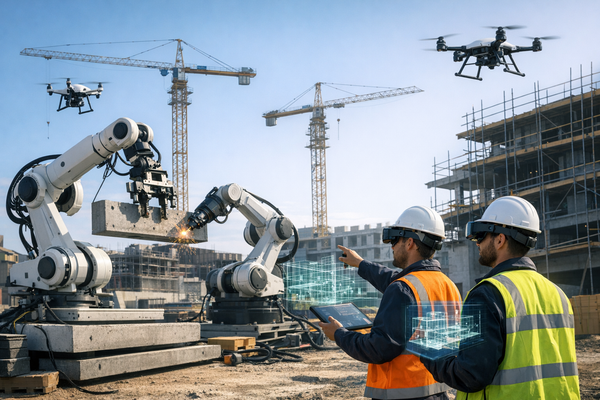
In the fast-evolving landscape of smart manufacturing, digital twins are becoming pivotal tools for gaining competitive advantage. These virtual models of physical systems are transforming how manufacturers predict and optimize factory operations. However, a pressing question remains: how accurate must a digital twin be to effectively deliver value?
What Happened
Digital twins act as a predictive engine on the factory floor, providing insights that drive operational efficiency and innovation. As reported by Hector Barresi at Electronic Design, the industry's focus is shifting towards determining the optimal level of accuracy required for these models to be effective. Rather than striving for perfection, manufacturers are finding that "good enough" digital twins can yield substantial benefits without the prohibitive costs associated with high precision. This approach allows companies to balance investment with practical returns, enabling them to remain agile in a competitive market.
The concept of "good enough" accuracy is gaining traction as it prioritizes actionable insights over exhaustive detail. This shift is crucial as more manufacturers adopt digital twins to enhance their operations, reduce downtime, and streamline processes. The economic implications are significant, with digital twins offering potential cost savings and efficiency improvements that can lead to increased profitability and market share.
What This Means for Your Business
For businesses in the AECM sector, embracing digital twins could redefine competitive dynamics and operational strategies. The approach of leveraging "good enough" models means that companies can implement these technologies more rapidly and at a lower cost. This democratization of digital twin technology opens up opportunities for smaller players to compete with larger enterprises by adopting scalable and cost-effective solutions.
Moreover, the integration of digital twins aligns with evolving compliance and regulatory frameworks, such as CMMC and NIST standards, which emphasize cybersecurity and data integrity. As digital twins become more prevalent, companies must ensure that their implementation strategies are compliant with these requirements to avoid potential legal and financial repercussions.
What US Operators Should Watch
As digital twin technology continues to evolve, US-based manufacturers should monitor several key developments. Federal funding opportunities may arise to support the adoption of digital twins, particularly in sectors where innovation is encouraged. Additionally, operators should keep an eye on emerging standards and best practices that could influence how digital twins are developed and utilized.
Manufacturers should also be aware of the competitive landscape, as the adoption of digital twins by peers could necessitate strategic adjustments to maintain market position. Finally, staying informed about technological advancements in digital twin capabilities will be crucial in optimizing their application and maximizing return on investment.
Source: https://www.electronicdesign.com/directory/automation/digital-twin/blog/55411287/mouser-good-enough-digital-twins-drive-competitive-edge. Read the original story ->
Partner Insight · VisioneerIT
Digital twin technology is revolutionizing the way infrastructure is managed and optimized, offering significant advantages in operational efficiency and cost savings. VisioneerIT specializes in designing Digital Twin solutions that integrate IoT sensors and real-time analytics for enhanced infrastructure management.
Explore VisioneerIT Cybersecurity →
Is your firm ready for what’s next?
VisioneerIT helps AECM and government contractors modernize operations, achieve compliance, and implement AI.
Explore VisioneerIT Solutions →