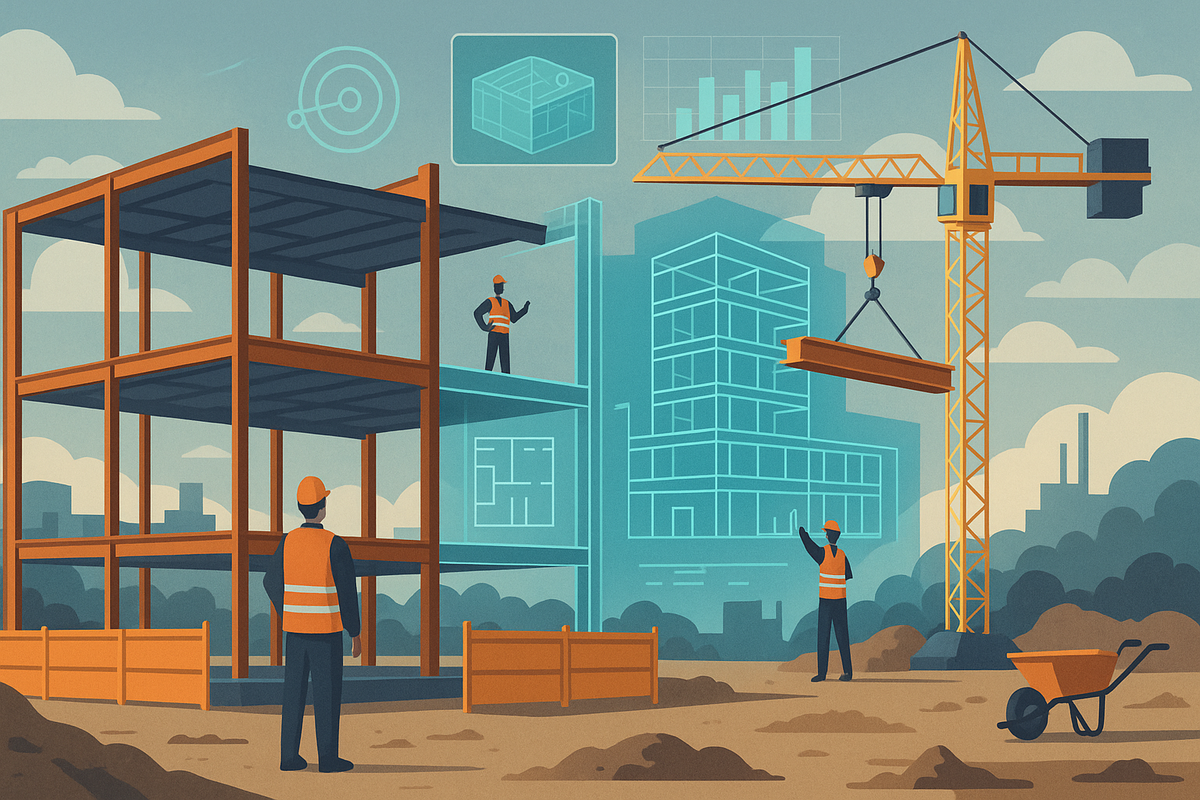
A startup in Lake Dallas is reshaping the construction industry by integrating digital twin technology and 3D extrusion to produce environmentally friendly steel framing for houses and other buildings. This innovation arrives at a pivotal moment as the construction sector grapples with sustainability challenges and the need for efficient, resilient building solutions.
What Happened
A new player in the construction materials market from Lake Dallas is leveraging advanced technology to produce steel framing systems that promise both environmental benefits and structural integrity. By utilizing digital twin technology—virtual replicas of physical systems—the company can optimize the design and manufacturing process, ensuring precision and reducing material waste. The integration of 3D extrusion further streamlines production, allowing for rapid and accurate creation of steel components tailored to specific building designs. This approach not only enhances the sustainability profile of construction projects but also aligns with the increasing demand for innovative building solutions in the face of climate change and urbanization pressures.
What This Means for Your Business
For AECM professionals, the adoption of digitally-driven steel framing presents a significant opportunity to enhance project sustainability and efficiency. The precision afforded by digital twin technology can lead to reduced material costs and faster construction timelines, offering a competitive edge in bidding for projects that prioritize eco-friendly solutions. This innovation aligns with broader trends in the industry towards sustainable construction practices, potentially opening doors to new federal funding opportunities geared towards green building initiatives. Additionally, the integration of such advanced technologies may present compliance advantages, particularly in meeting evolving environmental standards and building codes.
What US Operators Should Watch
Decision-makers should monitor developments in digital twin technology and 3D extrusion as these continue to gain traction in the construction industry. Key considerations include keeping abreast of updates in federal sustainability guidelines and potential incentives for projects that adopt eco-friendly materials and methods. As the technology matures, procurement officers and project managers need to evaluate the cost-benefit ratio of transitioning to digitally-driven steel framing, especially in the context of long-term operational savings and compliance with emerging regulations.
Source: https://www.msn.com/en-us/lifestyle/home-and-garden/dfw-startup-steels-houses-for-the-future-with-digital-technology/ar-AA27zeWD. Read the original story ->
Is your firm ready for what’s next?
VisioneerIT helps AECM and government contractors modernize operations, achieve compliance, and implement AI.
Explore VisioneerIT Solutions →Tracking the right federal opportunities?
OryonIQ's AI platform monitors agency forecasts, contract awards, and procurement timelines — so government contractors always know what’s coming next.
Try OryonIQ Free →