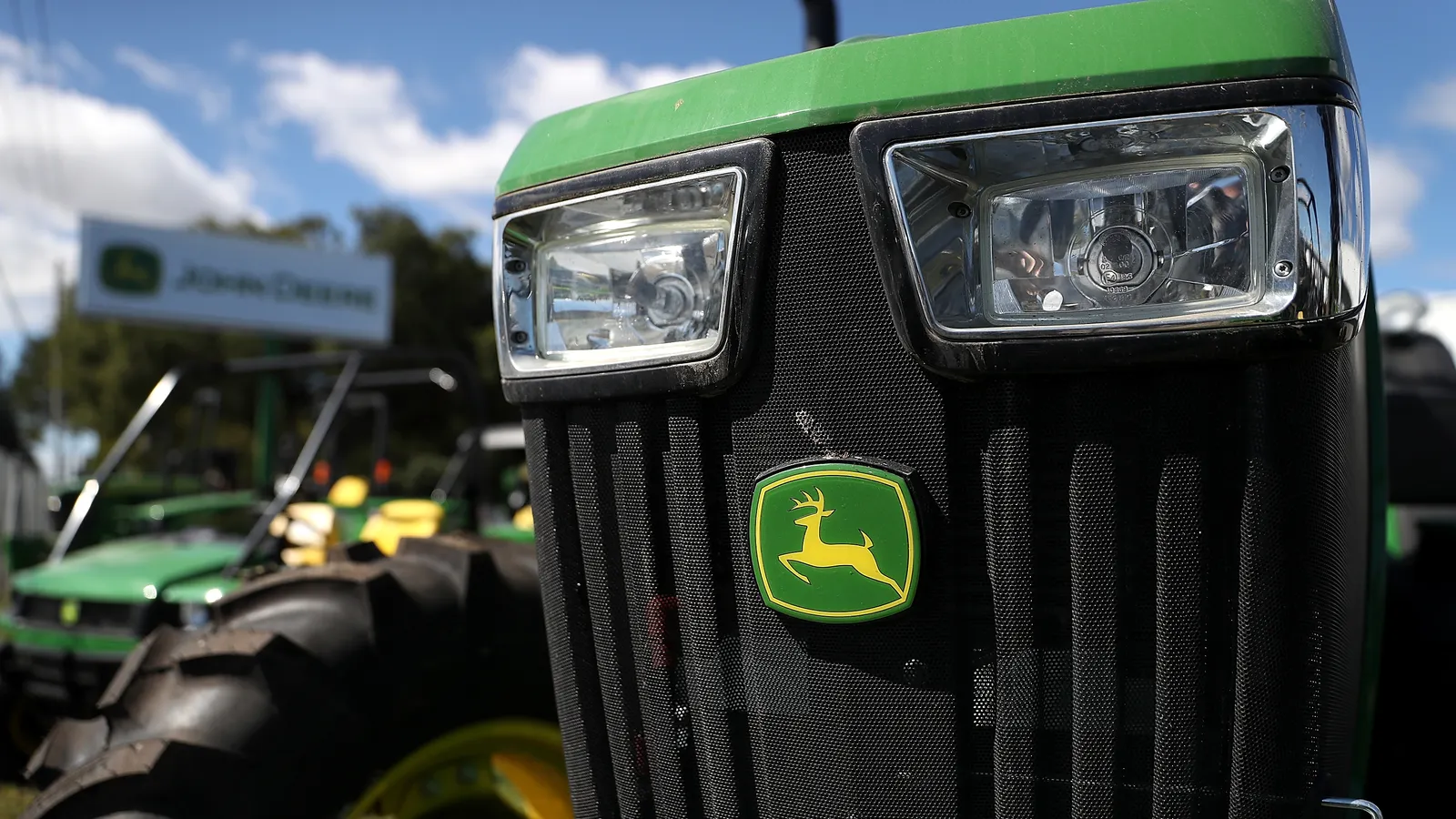
The Federal Trade Commission (FTC) has reached a settlement with Deere & Company, requiring the agricultural equipment giant to provide farmers and independent repair providers with the same repair resources available to its authorized dealers. This agreement marks a significant shift in the ongoing 'right to repair' movement, impacting stakeholders across the agricultural and construction sectors.
What Happened
Deere & Company, a leader in agricultural and construction equipment, has resolved a long-standing dispute with the FTC regarding the right to repair. Under the settlement, Deere is obligated to extend repair resources, including parts, tools, and software, to farmers and independent repair shops for the next decade. This decision comes amidst increasing pressure from consumers and advocacy groups pushing for broader rights to repair their own equipment without relying on manufacturer-specific services. The FTC's involvement underscores the federal government's growing interest in ensuring fair market practices and consumer rights, aligning with broader legislative trends supporting the right to repair.
What This Means for Your Business
For businesses in the construction and agricultural sectors, this settlement may lower maintenance costs and reduce equipment downtime, as operators will have more flexibility in choosing repair services. Access to the same repair resources as authorized dealers could level the playing field for independent repair shops, potentially increasing competition and driving down service costs. However, this also means that businesses will need to navigate new compliance landscapes, ensuring that all repair work meets the safety and quality standards previously enforced through authorized channels. Additionally, companies should evaluate the impact on their procurement strategies, as the availability of repair resources may influence future purchasing decisions.
What US Operators Should Watch
Operators should closely monitor how Deere implements this settlement over the next 10 years, particularly any changes in the availability and pricing of repair resources. Compliance officers should stay informed about any updates to federal regulations or industry standards that may arise from this precedent. Moreover, the outcomes of this settlement may influence other manufacturers and sectors, potentially leading to broader legislative changes. Businesses should also watch for any new contract opportunities that may emerge as a result of increased repair capabilities and competition in the market.
Is your firm ready for what’s next?
VisioneerIT helps AECM and government contractors modernize operations, achieve compliance, and implement AI.
Explore VisioneerIT Solutions →