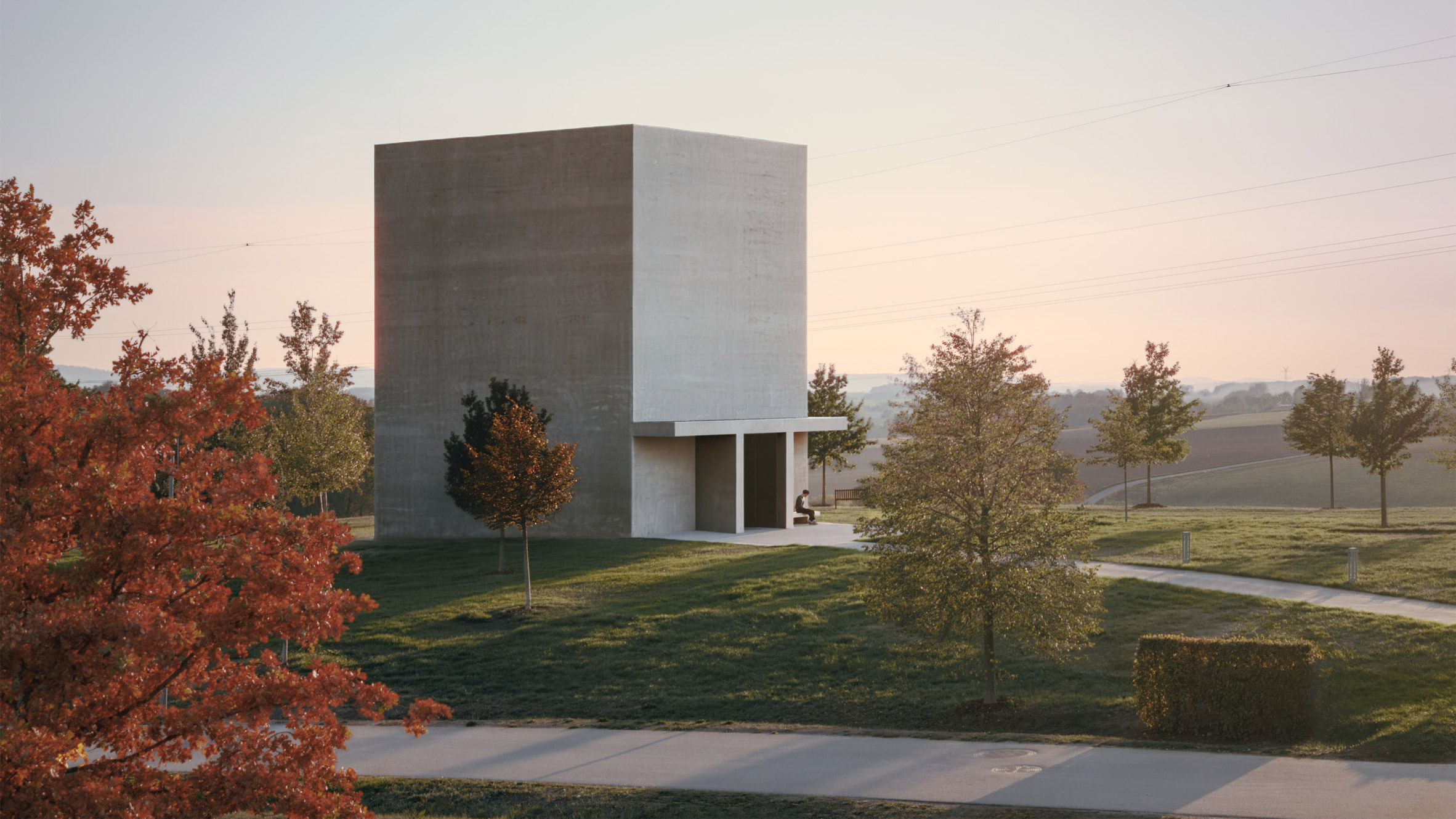
A new architectural marvel by David Chipperfield Architects has emerged in Künzelsau, Germany, where a monolithic concrete pavilion now stands on the grounds of the Carmen Würth Forum. This structure houses a single, monumental painting by Anselm Kiefer, marking a significant moment in modern architectural design.
What Happened
The Berlin office of David Chipperfield Architects has completed the Anselm Kiefer Pavilion, a striking concrete gallery built to showcase a solitary artwork by the renowned artist. The pavilion is located within the sculpture garden of the Carmen Würth Forum, an art museum known for its commitment to contemporary art. The design of the pavilion is as much a statement as the art it houses, with its minimalist, monolithic form echoing the weight and gravity of Kiefer's work.
The pavilion's completion adds a significant cultural landmark to the region, enhancing the appeal of the Carmen Würth Forum as a destination for art lovers and architecture enthusiasts alike. The decision to dedicate an entire building to a single painting underscores the importance of the artwork and the artist in the cultural landscape.
What This Means for Your Business
For AECM professionals, this project highlights the growing trend of integrating architecture with art in ways that create unique and immersive experiences. The Anselm Kiefer Pavilion serves as an example of how architectural firms can collaborate with cultural institutions to deliver projects that not only meet functional requirements but also enhance the cultural value of a space.
This project may inspire similar initiatives in other regions, offering opportunities for architectural firms specializing in bespoke cultural projects. Additionally, firms involved in the construction and materials supply chain can look to this project for innovative uses of concrete and minimalist design principles.
What US Operators Should Watch
Industry professionals should monitor the reception of the Anselm Kiefer Pavilion, as it could influence future architectural trends and client demands in cultural and museum projects. The increasing interest in creating bespoke spaces for art could lead to more opportunities for collaborations between architects and cultural institutions.
Moreover, the use of concrete in such a prominent and artistic manner may set a precedent, encouraging the exploration of new materials and construction techniques in the US market. Firms should also keep an eye on funding opportunities for cultural projects, as public and private investment in the arts may provide lucrative contracts and partnerships.
Source: Dezeen. Read the original story ->
Is your firm ready for what’s next?
VisioneerIT helps AECM and government contractors modernize operations, achieve compliance, and implement AI.
Explore VisioneerIT Solutions →