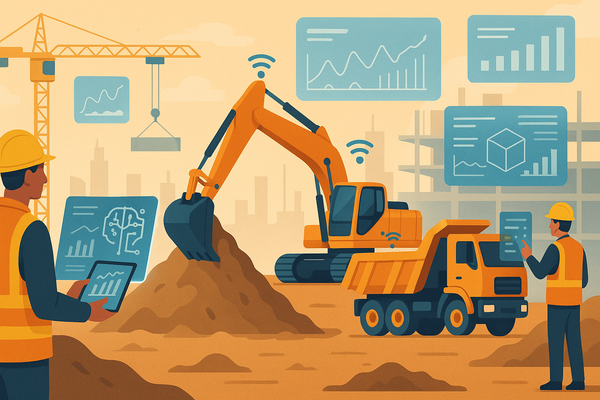
Preconstruction is undergoing a digital revolution that promises to reshape the architecture, engineering, construction, and manufacturing (AECM) industries by 2030. As the sector moves away from outdated methods, it is embracing a more collaborative and technology-driven approach. This shift is critical for industry professionals aiming to stay competitive in a rapidly evolving market.
What Happened
Preconstruction, once heavily reliant on manual processes and fragmented communication, is transitioning into a more streamlined, data-centric phase. Over the past decade, the industry has seen a significant move towards digital tools and collaborative software that facilitate better project planning and execution. This technological advancement allows for improved accuracy in estimating costs, timelines, and resource allocation, thereby minimizing risks and increasing project success rates.
The integration of advanced technologies such as Building Information Modeling (BIM), artificial intelligence, and cloud computing has been pivotal in this transformation. These tools enable real-time data sharing and analysis, enhancing decision-making processes and fostering collaboration among stakeholders. As we look ahead to 2030, the continued evolution of these technologies is expected to further refine and optimize preconstruction practices.
What This Means for Your Business
For AECM professionals, embracing these technological advancements is not just an option but a necessity. The shift towards a digital-first preconstruction approach can lead to significant cost savings and efficiency gains. By leveraging data analytics and collaborative platforms, companies can enhance their competitive positioning and improve return on investment (ROI).
Moreover, the adoption of these technologies aligns with compliance requirements such as the Cybersecurity Maturity Model Certification (CMMC) and National Institute of Standards and Technology (NIST) guidelines, which are becoming increasingly important in federal contracts. As government projects continue to emphasize cybersecurity and data integrity, AECM firms that are proactive in adopting these technologies will be better positioned to secure lucrative contracts.
What US Operators Should Watch
AECM professionals should keep an eye on evolving federal regulations and compliance deadlines that impact preconstruction processes. Staying informed about upd
Is your firm ready for what’s next?
VisioneerIT helps AECM and government contractors modernize operations, achieve compliance, and implement AI.
Explore VisioneerIT Solutions →Tracking the right federal opportunities?
OryonIQ's AI platform monitors agency forecasts, contract awards, and procurement timelines — so government contractors always know what’s coming next.
Try OryonIQ Free →