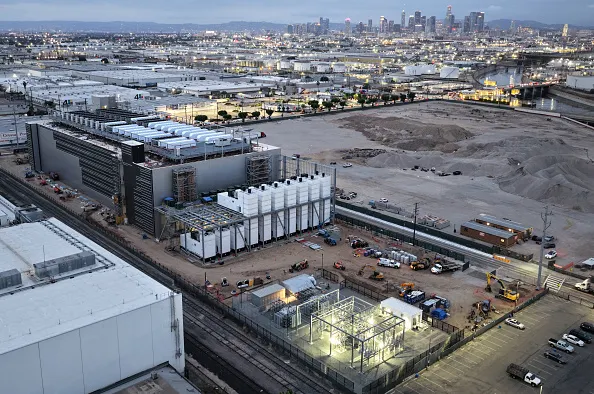
Data centers, once seen as resource-heavy behemoths, are poised to become much more community-friendly, thanks to technological innovations. As Mihir Nandkeolyar of Johnson Controls highlights, advancements in compressors, fans, and waterless systems are addressing major community concerns, including water usage and noise pollution.
What Happened
Recent developments in data center technology promise to transform how these facilities interact with their surrounding communities. At the forefront of this change is Johnson Controls, whose executive director of solutions architecture, Mihir Nandkeolyar, emphasizes the readiness of new technologies to tackle longstanding issues. According to Nandkeolyar, the industry is at a pivotal point, where innovations such as magnetic bearing compressors and waterless cooling systems are shifting from concept to implementation. These technologies allow data centers to operate efficiently even under extreme temperatures, reducing their reliance on water – a significant resource concern.
For example, cutting-edge compressor technologies can operate in conditions as hot as 140 degrees Fahrenheit without using water. This shift is crucial as traditional cooling towers can consume up to 12 million gallons of water on a single hot day. Moving towards waterless designs not only mitigates environmental impact but also addresses community concerns about resource allocation.
Additionally, innovations in fan technology are reducing noise pollution. By integrating overbuilt solutions to dampen sound and reducing the workload on compressors, data centers can operate more quietly, minimizing their auditory footprint on nearby communities.
What This Means for Your Business
For businesses in the architecture, engineering, and construction management (AECM) sectors, these technological advances present new opportunities and challenges. The shift towards more sustainable and community-friendly data centers could open doors for contracts focused on retrofitting existing facilities with these new technologies. Companies that can integrate these innovations into their project designs will likely find themselves at a competitive advantage.
Moreover, the reduced need for water and smaller physical footprints of these new facilities can lead to lower operational costs and an improved return on investment. As data centers become less resource-intensive, operators can potentially see savings in water and maintenance costs, while also avoiding the complexities of water-use permitting.
From a compliance perspective, embracing these innovations aligns with federal guidelines and sustainability targets, which can be a significant advantage in securing government contracts. As data centers adopt these technologies, they may also find themselves better positioned to meet the increasing demand for zero-trust architectures and other cybersecurity frameworks that prioritize sustainability.
What US Operators Should Watch
As these technological advancements gain traction, US operators should closely monitor the adoption timeline and regulatory changes. Keeping an eye on federal funding opportunities for sustainable technology integration could offer financial support for businesses looking to transition.
Additionally, understanding the evolving landscape of community engagement will be crucial. Operators should prepare to demonstrate the benefits of these innovations to local stakeholders, potentially easing the path to project approval and execution.
Finally, businesses should track developments in cooling and noise-reduction technologies, as these will likely dictate the pace at which data centers evolve in the coming years.
Is your firm ready for what’s next?
VisioneerIT helps AECM and government contractors modernize operations, achieve compliance, and implement AI.
Explore VisioneerIT Solutions →