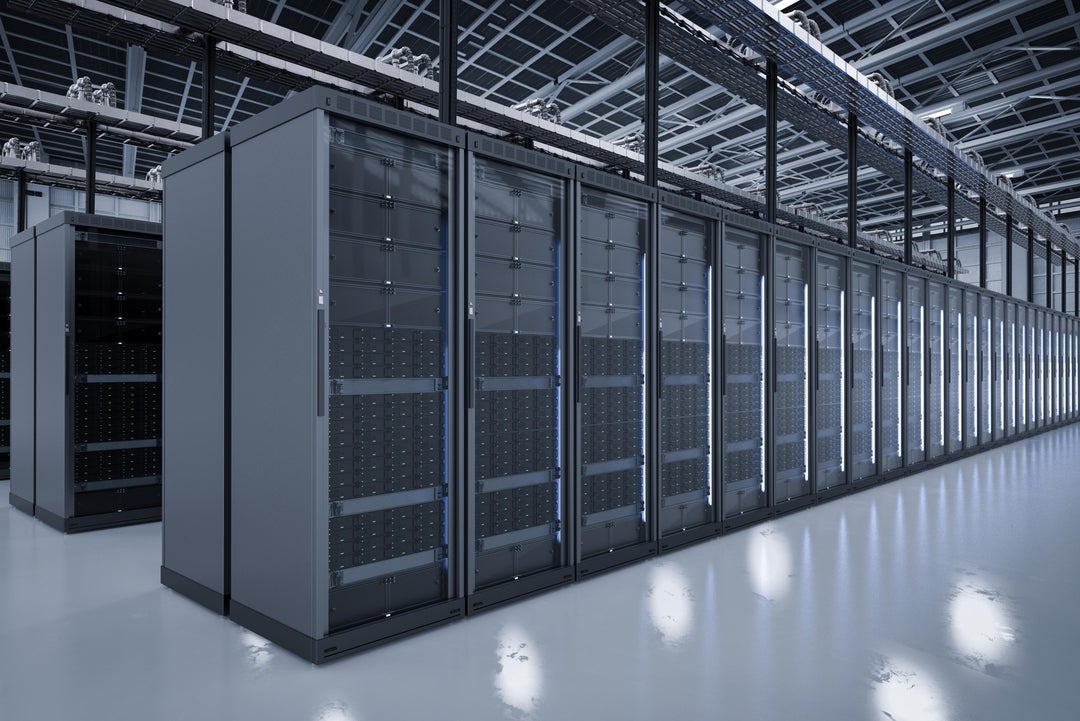
Uptime has become the defining performance metric of the modern data center, and for good reason. As digital services underpin everything from financial markets to transport systems, tolerance for disruption has all but disappeared. For mission-critical environments, achieving 99.999% availability, equating to just five minutes of downtime per year, is no longer an aspirational goal but a baseline expectation.
What Happened
The Uptime Institute's Annual Outage Analysis 2025 reveals that data center service availability has increased for the fourth consecutive year. Despite this progress, high-profile outages continue to highlight the fragility of uptime, especially when resilience is applied unevenly across infrastructure layers. Recent incidents, such as the power substation failure at London’s Heathrow Airport and a major U.S. cloud outage affecting global platforms, underscore the persistent vulnerability of even well-designed infrastructures. These failures often expose the limits of traditional redundancy models, such as the 2N model, which duplicates critical systems to absorb failures. However, faults can still cascade across both primary and backup systems, leading to operational halts.
Why It Matters for the AECM Industry
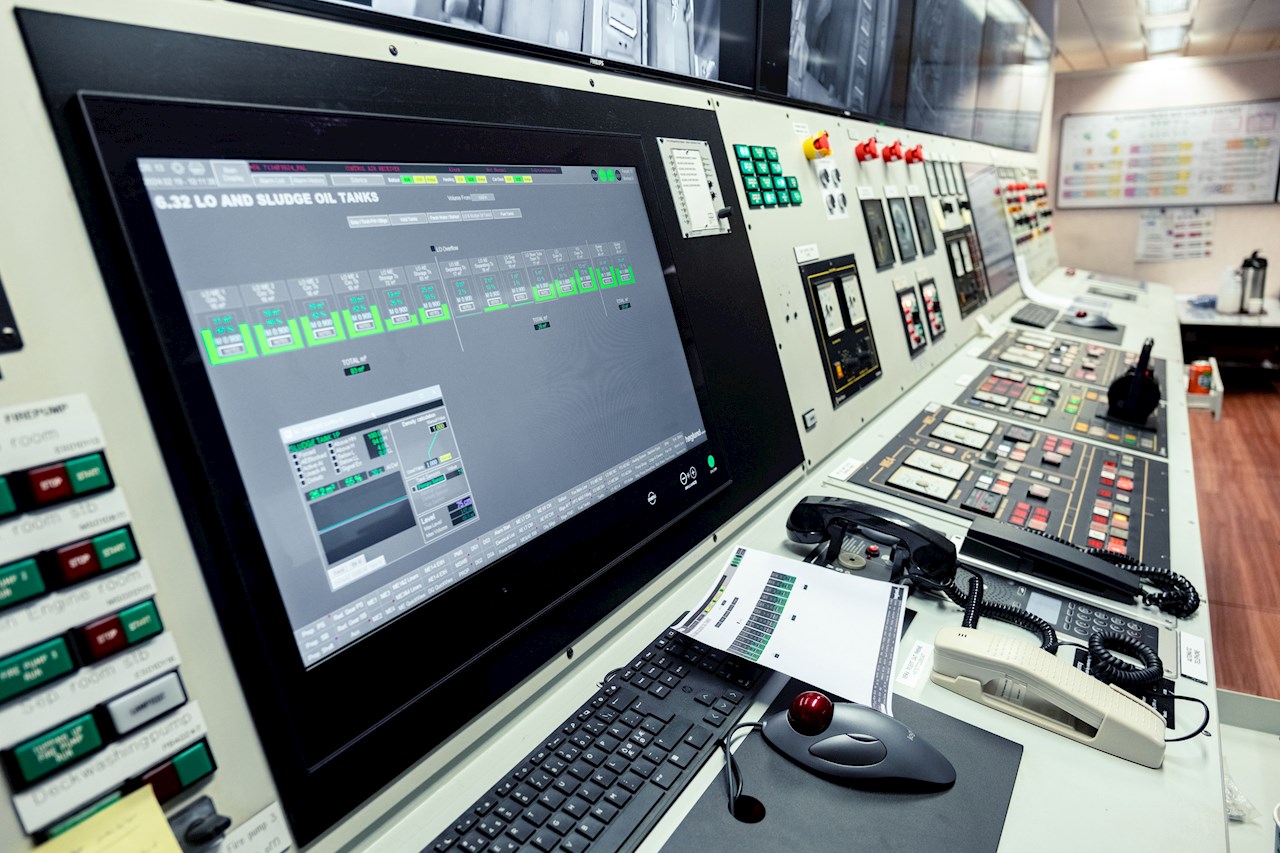
For AECM professionals, the shift from redundancy to automation represents a fundamental change in how data centers are designed and operated. Traditional redundancy models like 2N and N+1 have raised reliability baselines but are not infallible. As the industry moves towards more modular and value-engineered architectures, integrating automation into the control and monitoring systems becomes crucial. Automation not only enhances operational efficiency but also reduces the risks associated with manual interventions during critical failures. It ensures that even minor component failures do not escalate into major outages due to delayed or misinterpreted alarms. This shift towards automation is particularly relevant for engineers and architects tasked with designing robust systems that can maintain uptime amidst increasing complexity and demand.
What's Next
The industry is expected to continue its focus on integrating automation into data center operations. Upcoming milestones may include more widespread adoption of modular designs that incorporate advanced automation systems. Engineers and project managers should watch for advancements in control systems that offer greater redundancy and resilience. Furthermore, operational efficiency improvements are anticipated as AI and automation technologies evolve.
Partner Insight · VisioneerIT
As data centers increasingly rely on automation for uptime, VisioneerIT offers expertise in modernizing legacy systems and integrating advanced automation technologies. Our services enhance operational efficiency and resilience in complex environments.
Explore VisioneerIT Cybersecurity →
Is your firm ready for what’s next?
VisioneerIT helps AECM and government contractors modernize operations, achieve compliance, and implement AI.
Explore VisioneerIT Solutions →